
CEPO backs renewed UN sanctions, urges leaders to end violence
Author: Lasuba Memo | Published: May 29, 2026

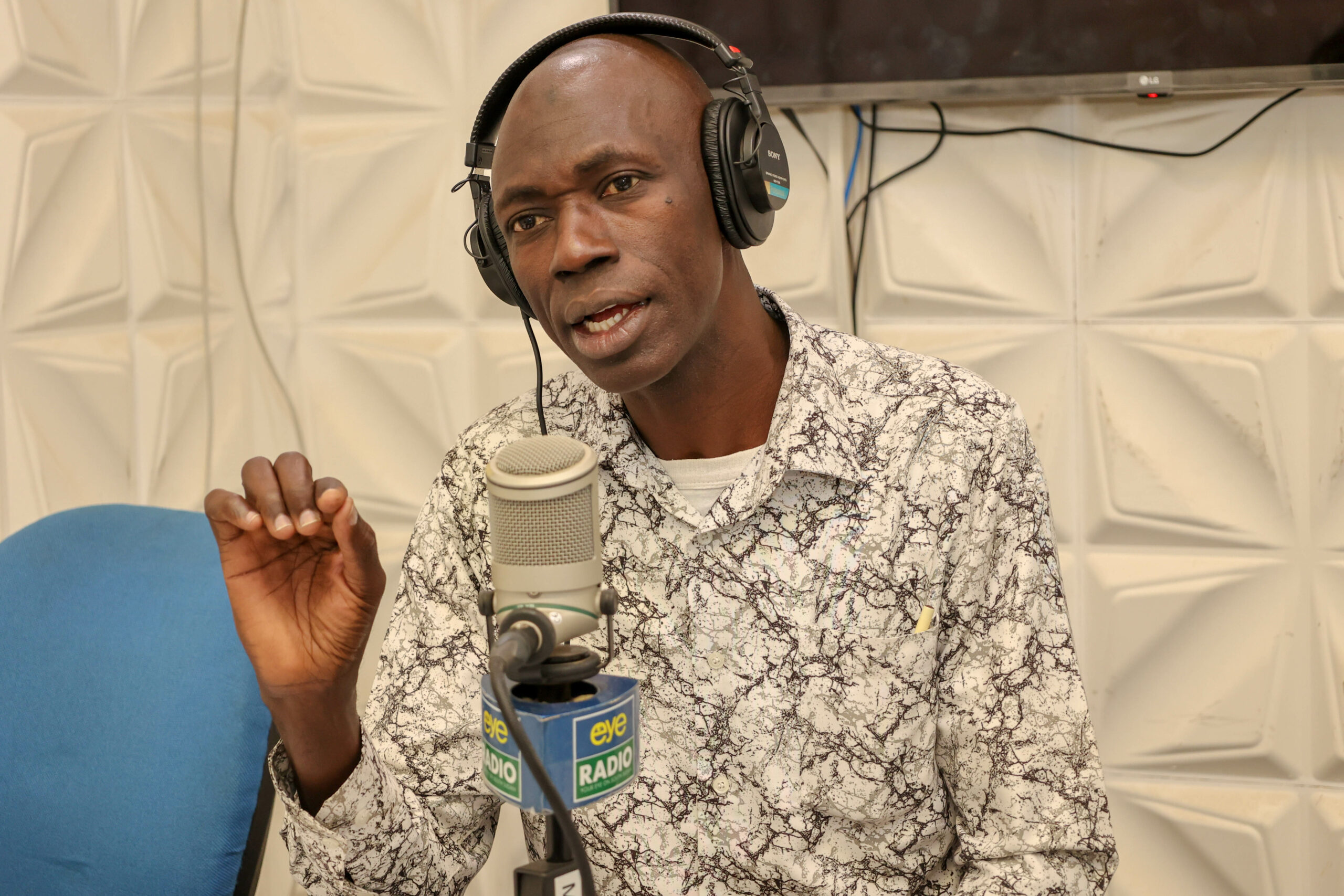
CEPO Director Edmund Yakani | Photo: Awan Moses/Eye Radio.
A South Sudan civil society activist has welcomed the United Nations Security Council’s decision to renew sanctions on South Sudan, saying the measures are a response to the failure of leaders to restore peace and stability.
On Thursday, the Security Council renewed the sanctions regime after nine members voted in favor while six abstained.
The renewed measures include an arms embargo, travel ban, asset freeze, and the extension of the mandate of the Panel of Experts until July 2027.
Edmond Yakani, Executive Director of the Community Empowerment for Progress Organization (CEPO), said the sanctions should not be viewed as hostility against South Sudan.
“These sanctions were not an ill intention on the Republic of South Sudan,” Yakani said in an audio statement shared with Eye Radio.
“The sanctions are within exercising the global responsibility to protect under the United Nations Charter in which South Sudan is a member.”
Yakani blamed South Sudan’s political leaders for continued instability and delays in implementing the 2018 peace agreement.
“We have seen for the last over eight years, South Sudan political leaders are dragging their feet in transitioning the country from violence to peace,” he said.
The civil society activist called on leaders in government and opposition groups to end violence and resume inclusive dialogue.
“The concept of having a military solution to political crisis must stop,” he said.
Yakani warned that continued armed conflict would attract more international pressure and sanctions.
“If you are able to put down the guns and undertake an inclusive political dialogue for fixing the country transition from violence to peace, that will automatically make United Nations have no interest of leaving sanctions,” he added.
He also urged leaders to hold accountable individuals benefiting from violence and undermining peace efforts.
The UN sanctions were renewed amid growing concerns over political tensions and delays in implementing South Sudan’s revitalized peace agreement.