

Brussels Just Froze $2 Billion in Brazilian Meat Over Antibiotics — Why It Could Last Two Years
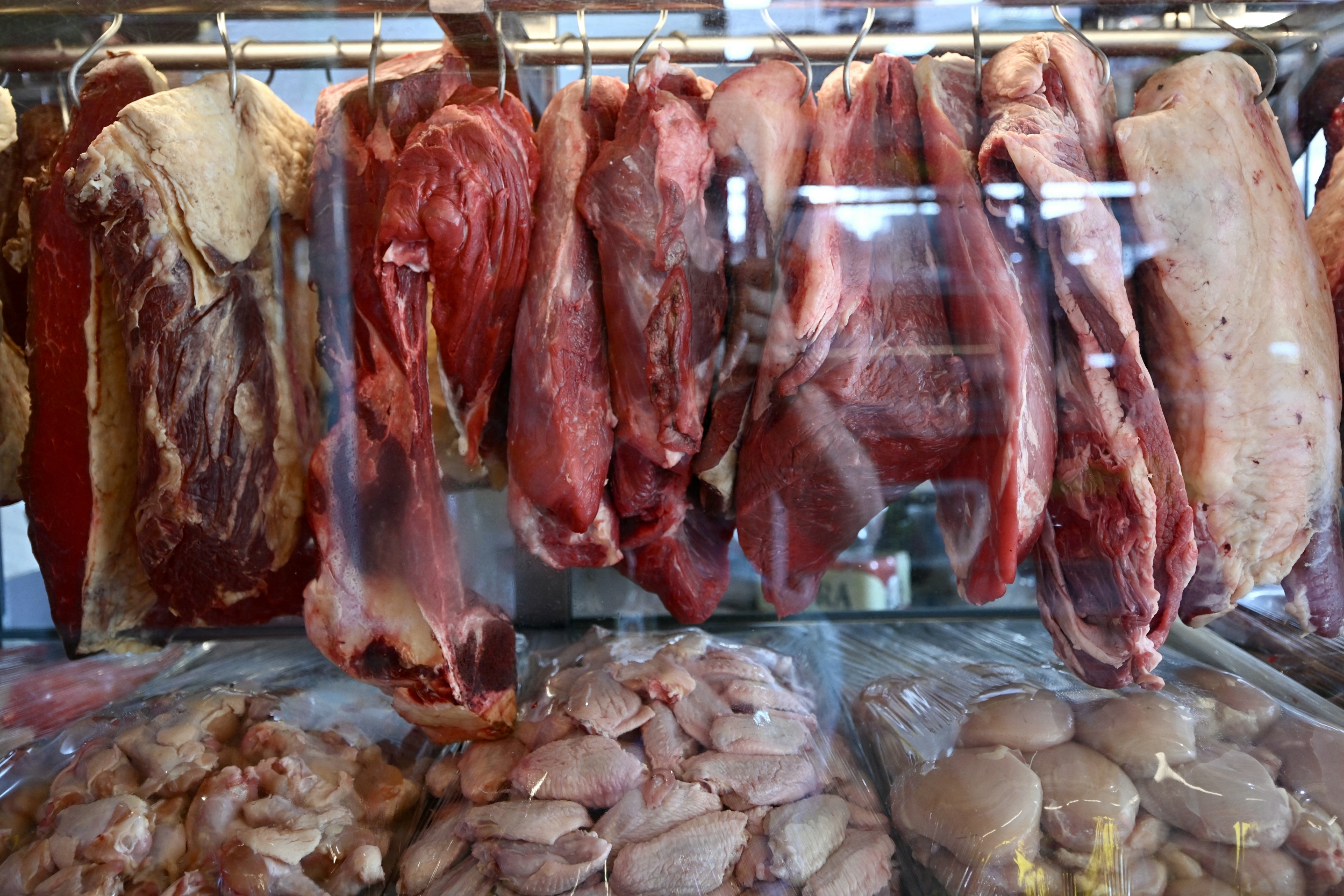
Photo by Evaristo Sa / AFP via Getty Images
Brussels pulled Brazil’s export papers this week, and the fallout stretches from São Paulo feedlots to a Luxembourg courtroom. As of September 3, Brazilian beef, poultry, fish, eggs, honey, horses and animal casings can no longer enter the 27-nation bloc, after regulators decided Brasília could not prove its farms keep antibiotics out of the food chain from birth to slaughter. Brazilian officials call the timing suspicious and the criteria unfair; European farm groups call it overdue. Both reactions are shaping a standoff that could last months for some products and years for others.
Key Takeaways
- Since September 3, the European Union has blocked Brazilian beef, poultry, fish and aquaculture goods, eggs, honey, horses and casings meant for human consumption, citing unresolved gaps in antibiotic oversight.
- Brazil’s farm ministry counts roughly $2 billion a year in trade caught up in the freeze and is threatening to fight back, potentially at the World Trade Organization.
- Poultry and honey shipments could restart within weeks if a compliance audit clears them; European officials say beef needs closer to two years because of how long cattle take to reach market.
- The freeze lands on an EU-Mercosur trade pact that is still legally unsettled, since the European Parliament sent the agreement to the bloc’s top court for review before it can be formally ratified.
A Four-Month Fuse
Regulators in Brussels first flagged the problem in May, when a committee of national experts voted to drop Brazil from the roster of countries cleared to ship animal products into the bloc, a move confirmed by Reuters. That vote gave Brasília a runway to fix the paperwork gap before the exclusion took effect. It didn’t happen fast enough. Once the deadline passed this week, the suspension automatically kicked in, arriving almost exactly four months after Brussels began provisionally applying its long-negotiated trade deal with Mercosur — a timing overlap that has fueled talk on both sides that the two disputes are tangled together.
Antibiotics, Not Contamination
Nothing about this fight involves tainted meat reaching store shelves. The European Commission has been explicit that no batch of Brazilian product has been found contaminated; the issue is documentation. EU rules forbid dosing livestock with antimicrobials purely to fatten them faster, and they wall off certain antibiotics for human use only, part of a broader campaign against drug-resistant bacteria. Brussels says Brazilian officials never supplied proof those rules were followed across an animal’s entire life, not just at the slaughterhouse door. A Commission spokesperson framed the relationship in diplomatic terms, saying officials are working with Brazilian counterparts to confirm compliance so trade can eventually resume.
Brazil’s Ministry of Agriculture puts 2025 exports of the newly banned categories at roughly $2.03 billion, split mainly between beef at just over $1 billion and poultry at close to $780 million, with smaller sums from fish, eggs and honey filling out the rest.
Brasília Calls Foul, Floats Retaliation
Brazil’s foreign affairs and agriculture ministries issued a joint statement expressing deep concern and arguing the suspension doesn’t reflect the strength of the EU-Brazil relationship. Officials say the required paperwork was already in Brussels’ hands before the deadline, a claim the European side disputes by pointing to gaps in lifetime compliance records rather than any single missing document.
Agriculture Minister André de Paula went further, telling América Económica that “no criterion justifies” shutting out a country that sells food products to more than 170 nations. Brasília says it hasn’t ruled out invoking the dispute-resolution machinery built into the new EU-Mercosur pact, nor a formal complaint at the World Trade Organization, if talks don’t produce a quick fix. The industry group representing Brazilian meat exporters struck a calmer note, arguing Brazilian beef will keep finding buyers elsewhere even though Europe’s specific cuts aren’t easy to replace overnight.
An Unfinished Trade Deal Complicates the Picture
The suspension didn’t arrive in a vacuum. Just months earlier, in a vote decided by only ten ballots — 334 in favor to 324 against, with 11 lawmakers abstaining — the European Parliament chose to send the entire EU-Mercosur trade agreement to the European Court of Justice for a legal opinion on whether it’s compatible with EU treaties. That review typically takes well over a year, which means lawmakers can’t hold a final ratification vote until judges in Luxembourg weigh in. The European Commission chose to activate the deal’s trade provisions on a provisional basis anyway starting May 1 — a legally available but politically contentious shortcut that let tariff cuts begin without full parliamentary sign-off.
That backdrop matters because Brazilian officials have insisted the meat suspension has nothing to do with the broader trade fight. Spanish farming groups disagree pointedly. A spokesperson for Asaja called the ban “a step toward real reciprocity” and noted that Brazil is, in fact, a Mercosur member, making it hard to separate the sanitary dispute from the wider argument over whether Latin American producers face the same rules as their European counterparts.
Winners, Losers and a Scoreboard by Product
Because the ban applies only to Brazil, its Mercosur neighbors stand to gain ground. A comparison of EU authorization status shows Argentina still cleared to ship beef, horses, poultry, seafood, honey and casings, while Uruguay keeps access to most categories except poultry, and Paraguay’s access is narrower still, limited mainly to beef and casings. Stock analysts tracking Brazilian meatpackers have described the near-term financial hit as manageable, since Europe represents a fraction of total sales for companies like JBS, but they’ve flagged that the European market pays a premium for specific cuts that are harder to redirect elsewhere.
What Happens Next
European auditors wrapped up an on-site review of Brazil’s poultry and honey sectors on September 4, and a decision on whether to reinstate those categories could come as soon as a mid-September meeting of the EU’s standing committee on plant, animal, food and feed safety. Even a favorable outcome may not restore poultry shipments before November, according to trade sources cited by industry press. Beef sits in a different category entirely: because EU rules require proof of compliance across an animal’s full lifespan, officials have indicated full reinstatement realistically can’t happen before roughly two years of demonstrated compliance have passed, regardless of how quickly Brazil tightens its paperwork today.
© {{Year}} Latin Times. All rights reserved. Do not reproduce without permission.