
Brushstrokes of compassion
Renowned Brazilian painter’s works depict the spirit and optimism of his people despite the hardships they fought through, Lin Qi reports.
In 1906, Brazilian couple Baptista Portinari and Dominga Torquato left their coffee farm in Amazonas, one of Brazil’s most sparsely populated states, for Brodowski in the state of Sao Paulo to become traders.
Their son, Candido Portinari (1903-62), remembered the town as a bustling hub where trains picked up coffee and migrants passed through in search of work. He also recalled hopeless wanderers who were forced to leave their homes in the north due to drought, some dying along the way.
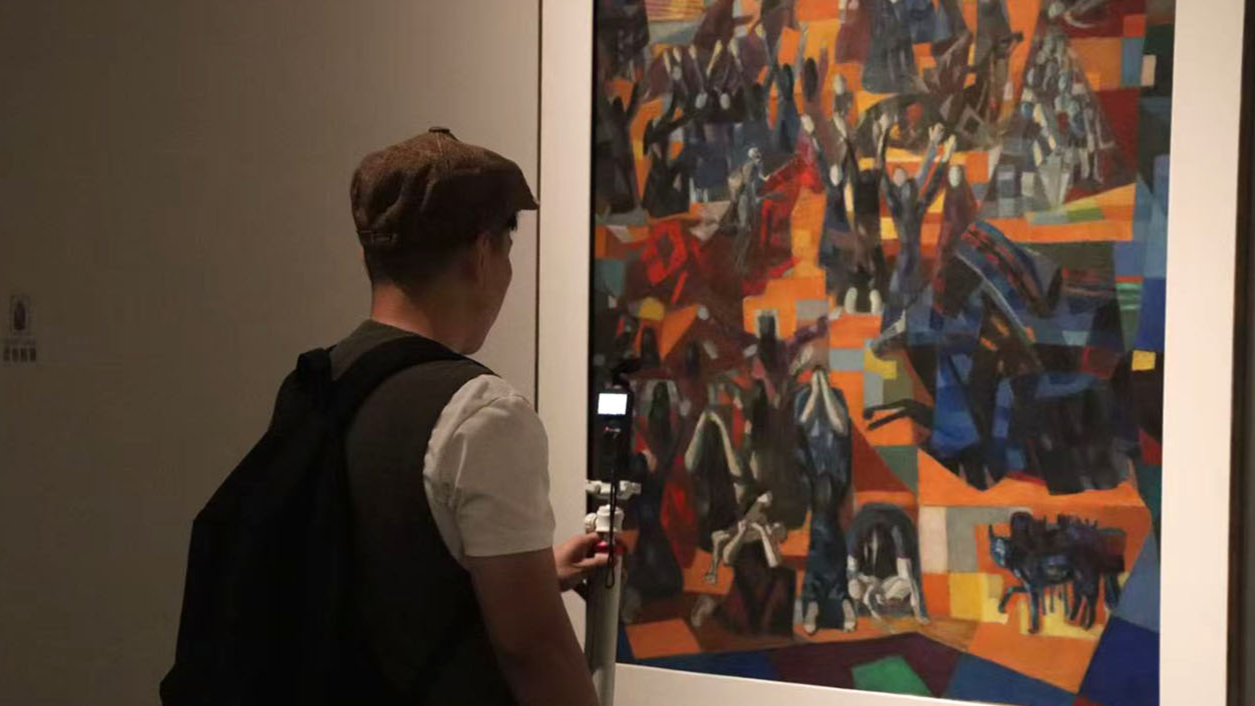
Decades later, Candido became a painter of note and is now considered one of the greatest artists of 20th-century Brazil. He re-created the despairing scenes from boyhood memories with brushstrokes of compassion. In one of his oil works, The Evicted, painted in 1934, he depicts a migrant family stranded by the side of a railway against an arid landscape, looking exhausted, emaciated, and lost.
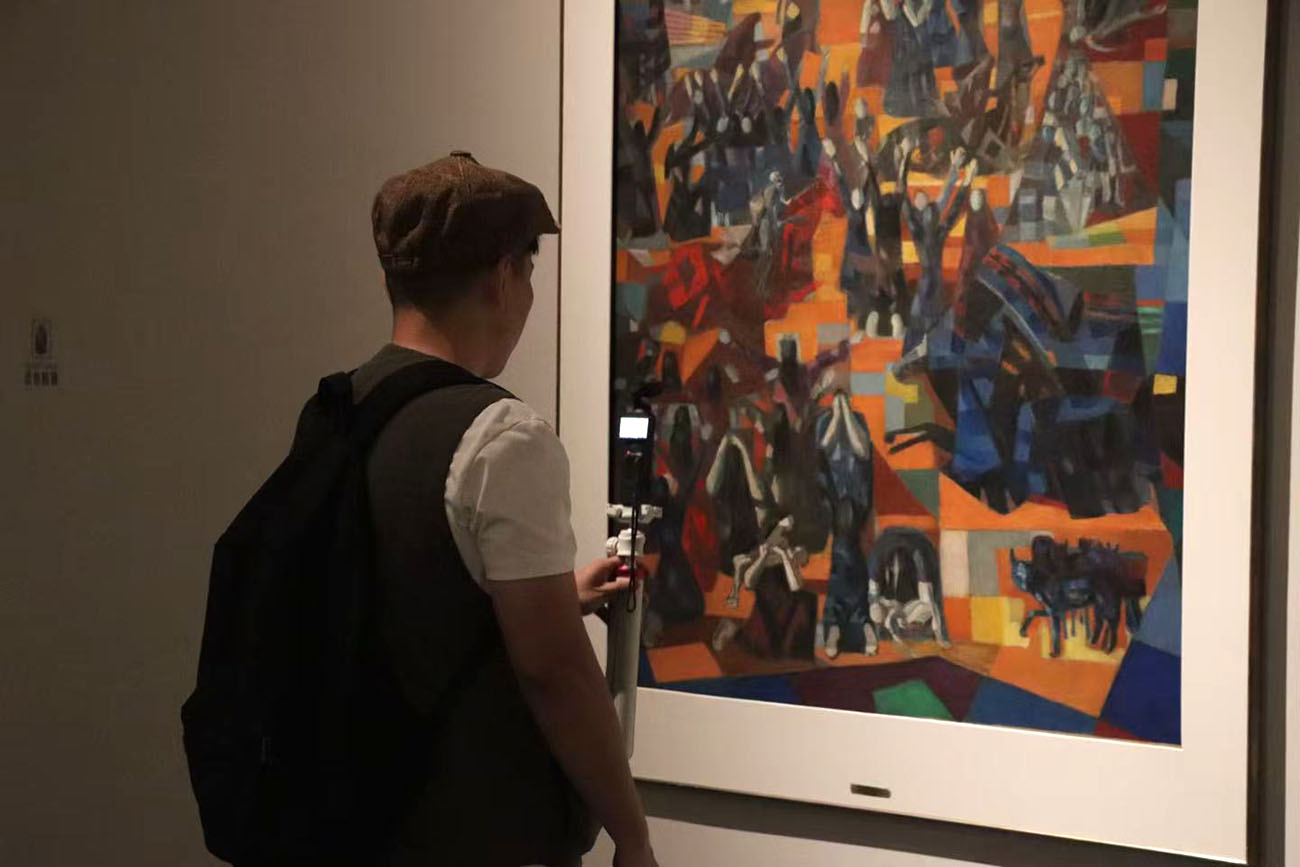
“They were people from northeastern Brazil who suffered extreme hardships, caused by drought that killed their livestock and ruined their crops, forcing them to migrate southward for survival,” says Joao Candido Portinari, the artist’s son. “In this painting is a desperate family with nowhere to go.”
The work is seen as Candido Portinari’s first painterly statement addressing social injustice and poverty. It traveled across the ocean and is now on show in Beijing at an ongoing exhibition dedicated to Candido Portinari at the National Museum of China.
Running until Oct 11, the show, The Brazil of Portinari, gathers 56 works from his oeuvre along with multimedia installations, offering an immersive journey into “how the artist forged a unique, enduring visual identity for his country and people”, says Zheng Ye, the exhibition’s curator.
Candido Portinari’s artistic repertoire is characterized by earthy red, yellow and brown shading, a composition divided into blocks, and elongated or exaggeratedly rounded human bodies, revealing a quintessential Brazilian aura.

However, that is only scratching the surface of his work. Underneath, he celebrated the joy, strength and optimism of his people despite confronting many forms of suffering.
Candido Portinari’s works offer the people’s soul and spirit, particularly migrants and rural workers, a group to which he belonged.
The artist was born on a coffee farm called Fazenda Santa Rosa. He was the second of 12 children of the couple who left Italy’s Veneto region at the end of the 19th century and arrived in Brazil, where the coffee trade and culture were expanding.
His parents were poor farmers who arrived in South America amid a wave of Italian immigration, according to Joao, the artist’s son, adding that over 1 million Italians are believed to have arrived in Brazil at that time, their destinations being large coffee farms.
Coffee, an oil painting nearly 2 meters long and on display at the exhibition, was inspired by this upbringing: it depicts a busy scene at a coffee farm where workers harvest and bag coffee beans. The work won the artist his first award outside Brazil — 2nd Honorable Mention at the 1935 International Exhibition of Paintings, organized by the Carnegie Institute, now Carnegie Museums of Pittsburgh in Pennsylvania, United States.
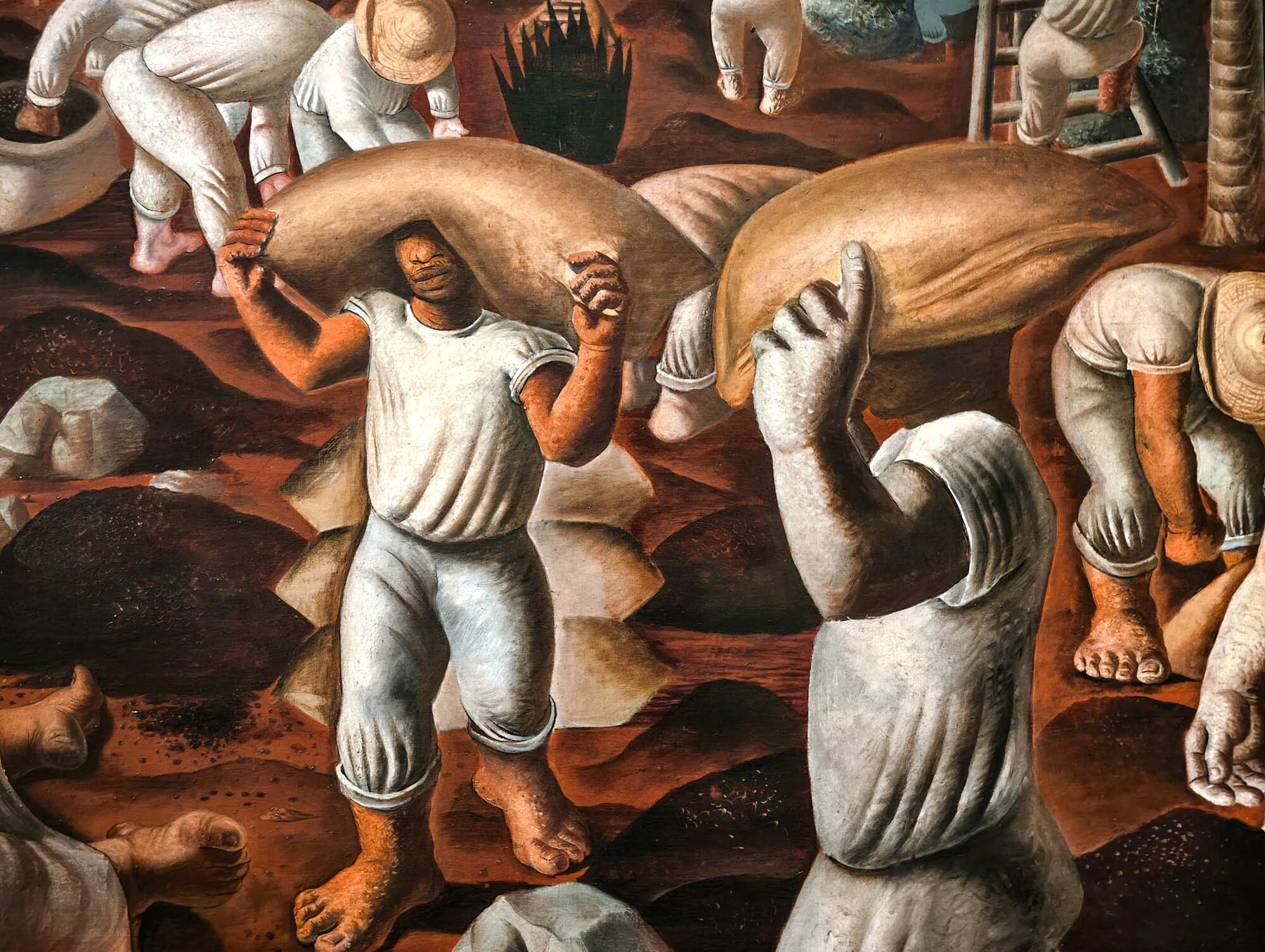
The creation of Coffee came during a critical period in his work after he returned from a study program in Paris, where he was able to see Brazil’s history and culture from an outside perspective. It was then that he decided to focus his future works on outlining the spirit of his country and its people.
The Evicted is also an early example of such endeavor. Through exhausting toil, natural disasters that forced people into migration, hunger, and death, he documented social realities as well as a future that people still hoped for. In a painting as heartbreaking as The Evicted, he painted a blue donkey on a distant hill as a symbol of hope, expressed poetically, according to Joao.
Curator Zheng says the exhibition conveys “the profound hope and the light of life, between the Earth and the stars, from South America, belonging to Brazil and all of humanity”.
The exhibition is also a celebration of the China-Brazil Year of Culture, based on a partnership between the National Museum of China, the Candido Portinari Cultural Association and the Brazilian Institute of Museums.
Contact the writer at linqi@chinadaily.com.cn