

Brazil’s Wind Turbines Are Drawing In Unregulated Data Centers
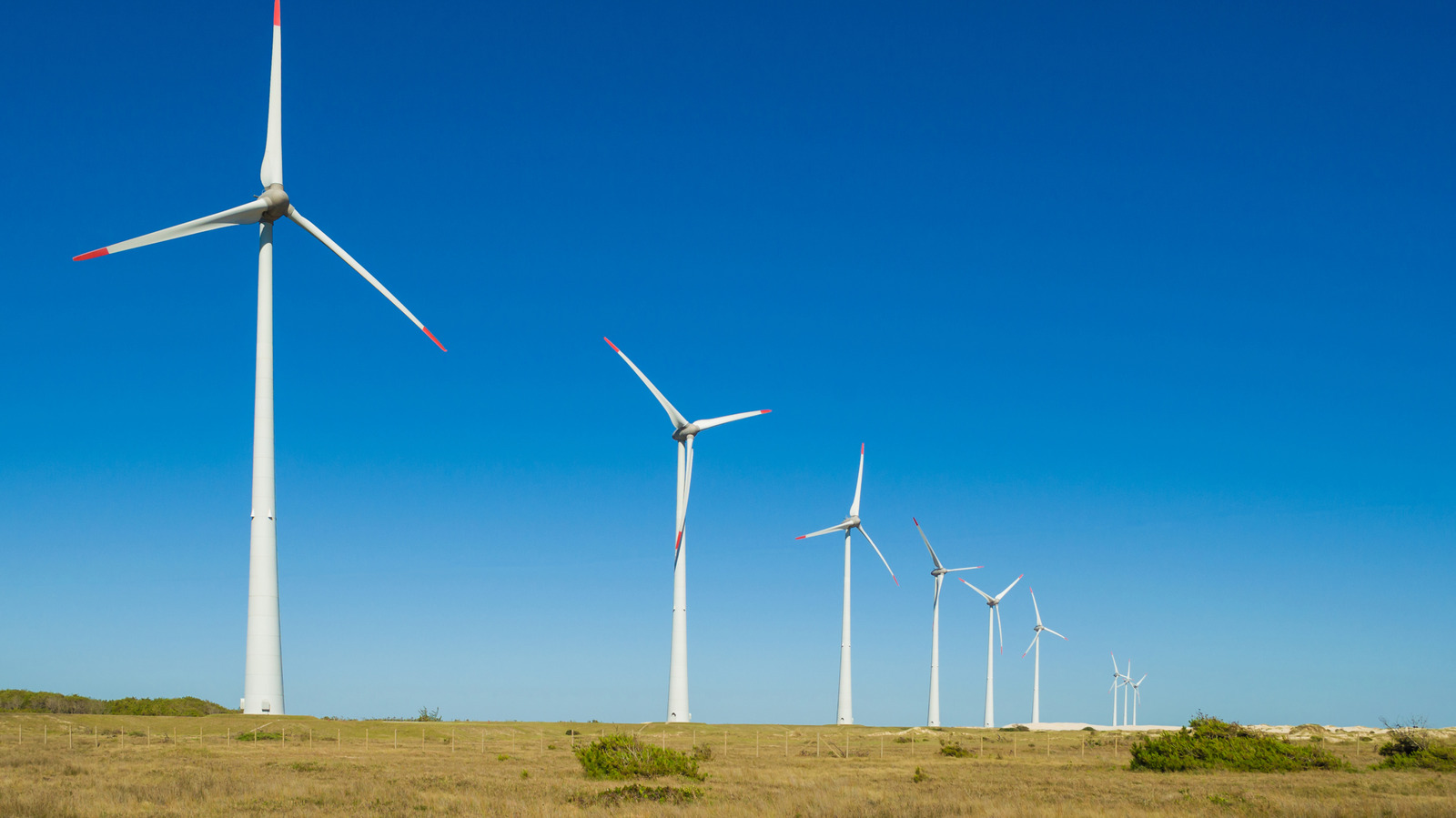
Brazil’s top three natural resources are currently petroleum, hydropower, and minerals (such as gold and bauxite), but wind power is growing rapidly. Much like the solar panels in the Iberian Peninsula led to negative energy prices or China’s wind energy surplus, Brazil has inadvertently created an excess of power, which is drawing the attention of AI data center developers.
In Brazil, favorable government incentives led to massive investments in solar and wind energy, so much so that at one point in 2025, plants generated a surplus that some of them basically wasted 70% of it. That same year, crypto mining companies swarmed to the country, seeing dollar signs instead of surplus renewable energy. Since the new golden goose is AI data centers, they may start popping up left and right across Brazil quite fast. In fact, Brazil’s Ministry of Mines and Energy received 68 requests from companies to “plug” the data centers to the power grid. The fact that 65% of these requests were made by renewable energy providers themselves shouldn’t come as a surprise.
Providers of renewable energy often shut down their operations when producing excess power becomes financially unfeasible, or, in Brazil’s case, when the grid operator requests it. Known as curtailment, energy companies in the country lost as much as $612 million. To escape these losses, numerous companies struck up partnerships with various data center operators. A more concerning trend, arguably, is that a whopping 36 renewable energy companies decided to open their own data centers.
Why are experts opposing this?
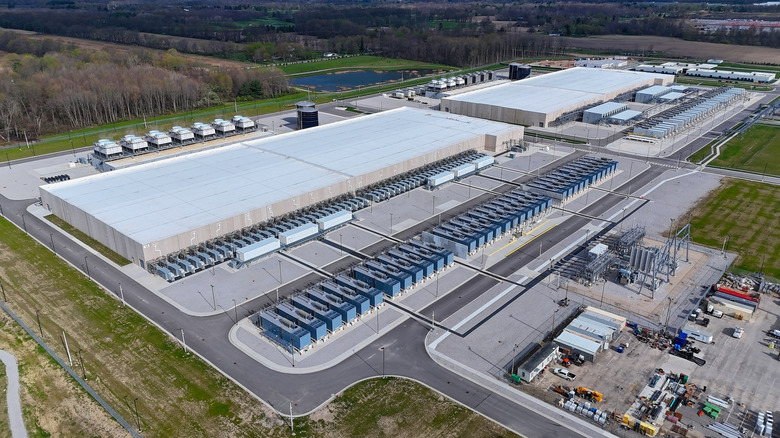
A single small Brazilian city, Gentio do Ouro (population 11,000), had 12 requests to connect data centers to the central grid. In addition to wind farms (operated by the aforementioned Serena Energia), the city also has one data center, while two are slated for construction. This isn’t the first time data centers tapped into renewable energy, though. An AI and Bitcoin mining facility plugged directly into a wind farm in Texas’ Rio Grande Valley.
For Gentio do Ouro, instead of trying to strengthen the transmission network to make better use of the surplus energy, everything will go to power-hungry data centers. At the same time, some residents in the city have limited access to power. To make matters worse, despite curtailment, energy companies are building even more wind turbines, which could result in bringing in more data centers and, in turn, necessitate the construction of extra wind farms. Sadly, locals themselves seldom benefit from these developments, and considering just how much one small town has to bear, it could spell disaster for thousands, if not even more people in Brazil — and they’re powerless to change it. Even worse, some residents are suffering from sleep disorders and mental health issues, which is being referred to as “wind turbine syndrome.”