

Brazil Retaliates Against US Tariffs in Trump Lula Trade Standoff
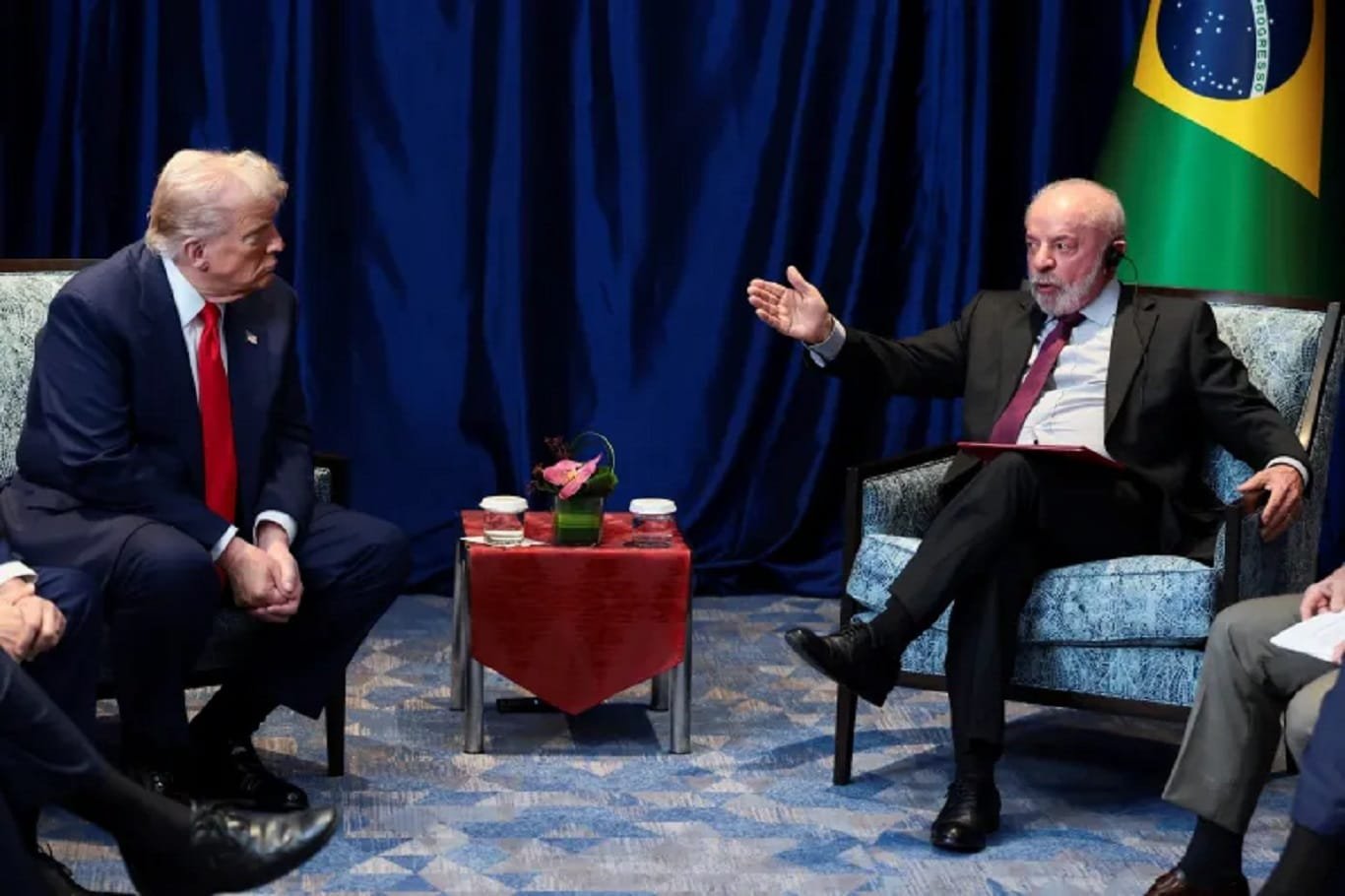
Brasilia, Brazil — Trade tensions between Brazil and the United States escalated sharply after Brazilian President Luiz Inácio Lula da Silva vowed to counter import tariffs imposed by US President Donald Trump. Consequently, Brasilia confirmed the activation of a trade reciprocity mechanism to safeguard its economic interests and prevent external pressure on national exports. Furthermore, Lula emphasized that Brazil will not allow its economic sovereignty to be compromised in international commerce.
Economic Reciprocity and Sovereignty Defense
The Brazilian president explained that implementing reciprocal tariffs is an essential measure to protect domestic industries affected by the US administration’s decision. Additionally, the Brazilian government stated that Washington’s tariffs on a broad range of products directly harm national economic interests.
On the other hand, economic analysts express growing concern that the escalation could trigger a broader trade war between the Americas’ two largest economies. Consequently, experts warn that mutual trade restrictions could disrupt import and export flows between the two nations.
Diplomatic Dialogue and Market Diversification
At the same time, Lula stressed that Brazil remains open to negotiations and intends to keep diplomatic channels active to reach a balanced agreement with Washington. Additionally, Brasilia has initiated strategic moves to diversify its export destinations, seeking new global trade partners to reduce reliance on the US market.
Finally, the escalating standoff serves as a significant test for bilateral economic and political relations between both nations. Ultimately, effective diplomatic dialogue remains essential to resolving the dispute and maintaining trade stability across the region.