

Billionaire Son’s SoftBank lands $11.87 billion OpenAI loan
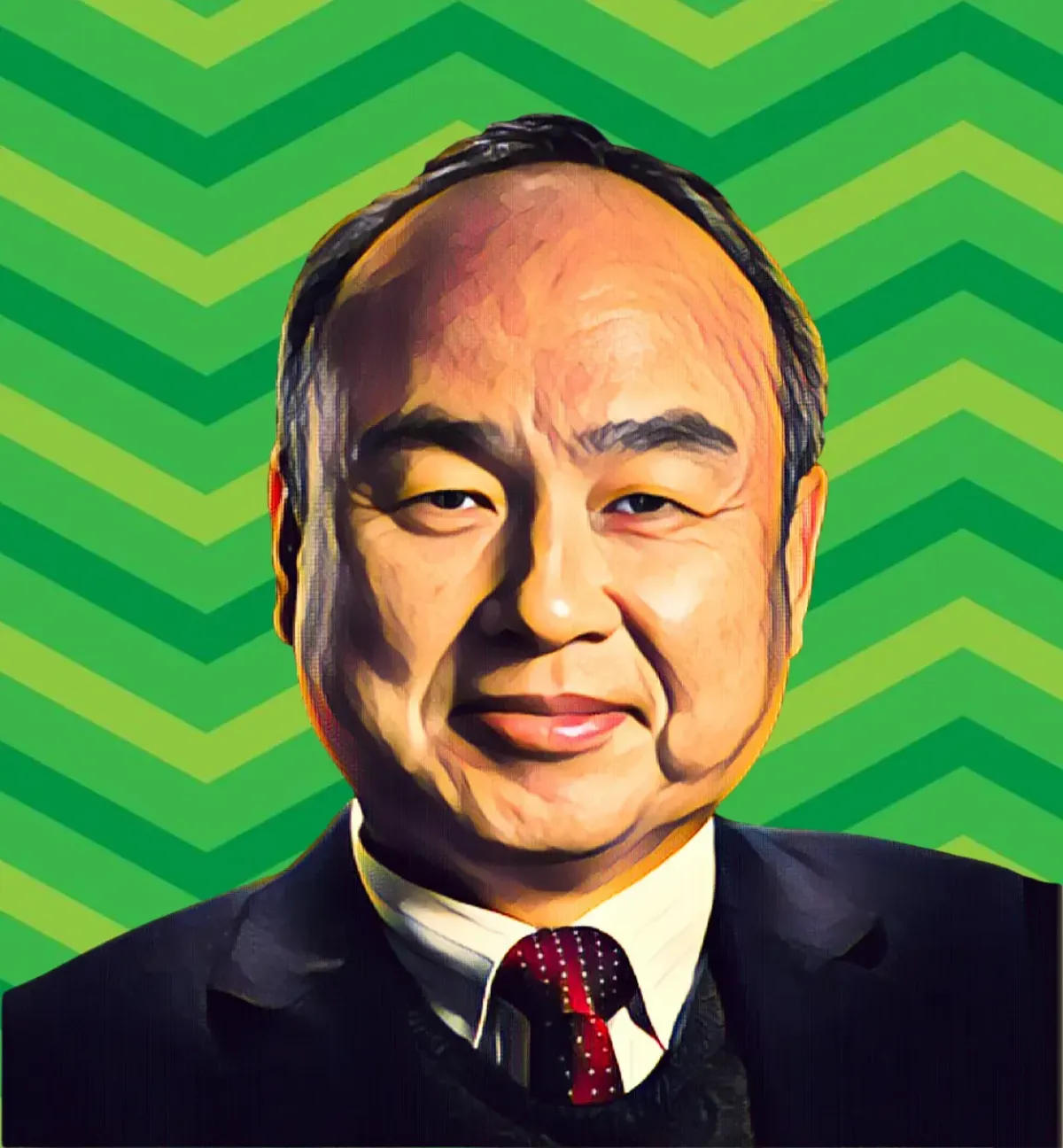
SoftBank Group has secured an $11.87 billion loan to fund its investment in OpenAI, taking more than it originally asked for.
The Japanese conglomerate sealed the two-year facility last week with commitments from about 20 banks, according to people familiar with the matter cited by Bloomberg. Its earlier target was $10 billion. SoftBank declined to comment.
Investors did not take it well. The shares fell as much as 13% on Monday, the steepest single-day drop since July 17.
The borrowing is one piece of a commitment that now runs to almost $65 billion by October. SoftBank has raised roughly $37 billion this year alone through offshore and domestic bond sales and loans, including the new facility, to fund its position in the company behind ChatGPT.
It is also paying down what it borrowed earlier. SoftBank said last week it will repay the outstanding $25.9 billion on a $40 billion bridge loan taken in March, with the payment due on Sept. 15. That loan was unsecured and not due to mature until March 2027.
More debt is being prepared. SoftBank executives are meeting investors in New York this week to gauge appetite for a dollar-denominated high-yield bond sale, weighing a raise of between $10 billion and $20 billion.
Some of the borrowing is already secured against the asset it funded. SoftBank took a $10 billion margin loan collateralised by its OpenAI shares, which means a fall in the company’s valuation would have direct consequences for the group’s balance sheet rather than merely for its paper returns.
That matters because SoftBank is not investment grade. Its credit rating sits at BB+, one notch below, according to Bloomberg data.
The valuation it is borrowing against is private and will stay that way for now. OpenAI chief executive Sam Altman said in a recent interview that the company would not pursue a listing this year while it works through safety-related concerns, which leaves SoftBank’s stake marked against a private round rather than a public price.
The wider mood has also turned. Some technology executives have begun publicly calling for a slower pace of artificial intelligence development, citing the risks attached to how quickly the systems are advancing, and lenders have become more attentive to credit exposure across the sector.
Masayoshi Son built SoftBank on exactly this kind of concentrated wager. An early stake in Alibaba became one of the most profitable venture investments ever made, worth tens of billions of dollars. The same method produced WeWork, which his Vision Fund backed through a collapse that cost the group billions.
OpenAI is the largest position he has ever taken and the most heavily financed by debt.
Crédito: Link de origem