

Billionaire Maher Jarmakani lands MSC for his $1bn Lagos port
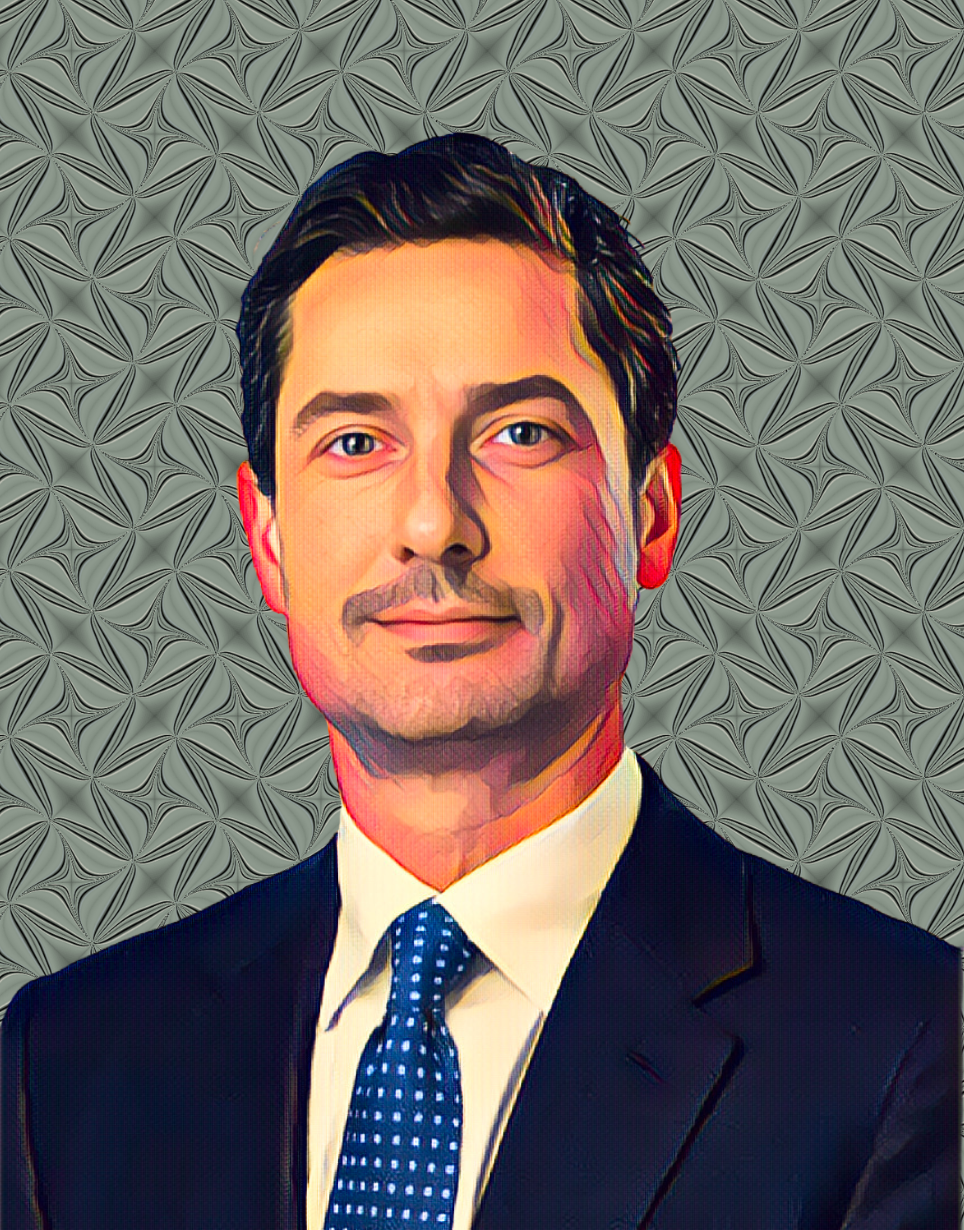
Mediterranean Shipping Company, the largest container line in the world, has signed a 45-year sub-concession with Nigerdock to build and run a dedicated container terminal inside Snake Island Port in Lagos, committing to a Nigerian project controlled by Maher Jarmakani and the family conglomerate his father founded almost half a century ago.
The terminal covers 30 hectares and is due for completion in 2028, with a 910-metre quay, six ship-to-shore cranes, two ship berths, three barge berths and up to 18 metres of draft. MSC has put its total Nigerian infrastructure and logistics commitment above $1 billion and appointed ITB Nigeria Limited and Belgium’s DEME Group as engineering, procurement and construction contractors.
“This gives the world’s leading shipping line a home in Nigeria and brings significant foreign direct investment into the country,” said Jarmakani, chief executive of Nigerdock and group chief executive of Jagal.
Diego Aponte, president of MSC, said the terminal would open up opportunities, improve efficiency and elevate Snake Island Port into a major global shipping centre.
The deal caps a five-year period in which the Jarmakani family has moved its business from repairing ships and fabricating oil platforms into owning port infrastructure, and it comes with the founder no longer in the chair.
A conglomerate built after independence
Anwar Jarmakani arrived in Nigeria from Syria in 1963, three years after independence, and founded Jagal in 1977. He served as group executive chairman from 1978 until his death in September 2021, having been receiving medical treatment abroad since that March for Covid-related complications.
The group started in construction and real estate, expanded into health, hygiene and home products during the 1980s through partnerships with multinational brands, and entered oil and gas in the 1990s through joint ventures with Fred Olsen Energy of Norway, Sinopec of China and Lamnalco of the Netherlands. Jagal describes itself as having been recognised by the early 2000s as one of Nigeria’s leading conglomerates.
The founder travelled regularly on presidential delegations abroad and, by the company’s account, pressed the federal government to enact the Nigerian Content Development Act, the law requiring oil companies to use Nigerian contractors and labour.
Nigerdock changed the trajectory. The state-owned marine industrial base, established in 1986, was privatised by Olusegun Obasanjo’s government through the Bureau of Public Enterprises in 2001. Jagal had acquired most of the government’s shares by 2003 and began an aggressive investment and restructuring programme, expanding the workforce and rebuilding the yard.
The company became a leading provider of engineering, procurement and construction fabrication, marine services and supply base logistics to offshore oil and gas operators, and played a central role in the growth of Nigeria’s local content capacity. The presidency granted it free zone and port status in 2005, creating the Snake Island Integrated Free Zone. The Nigerian Ports Authority and Nigeria Customs Service approved direct shipping to the facility in 2017, and the NPA authorised cargo handling in 2021.
Jagal now spans Jagal Energy, Jagal Investments, Nigerdock, NigerStar 7, Afrik Delta Marine, Sinopec Nigeria and the free zone.
The succession was settled before the founder died
Maher Jarmakani was in place well before his father’s death, and the handover was staged over several years.
He joined Nigerdock as managing director and executive director in 2004, the year after Jagal acquired it, and held that role until 2013. He ran the company through a restructuring in 2012 while keeping a group position. He led Jagal’s move into technology in 2013 by establishing a data centre with a new leadership team, and drove a complete restructuring and rebranding of the group in 2014 intended to institutionalise processes and strengthen corporate governance.
He served as group co-chief executive from 2015 to 2017, sharing strategic leadership across all Jagal operations and investments with his brother Manssour, who was also a group chief executive at that time. Maher was appointed group chief executive in 2018, bringing Jagal Energy and Jagal Investments under one leadership, and became chief executive of Nigerdock in January 2021. Anwar Jarmakani remained group executive chairman until he died.
Maher Jarmakani is a naturalised Nigerian, raised in Lagos, where he attended the American International School. Jagal has not published Manssour Jarmakani’s current role.
A port worth $1.85 billion in private investment
The Federal Executive Council approved development of Snake Island Port in May 2023, part of a plan to expand maritime infrastructure using private capital.
Nigerdock signed the 45-year concession with the NPA in November 2024, covering an 85-hectare facility with three terminals and a combined quay length of 2.5 kilometres. Total private investment across the concession is projected at more than $1.85 billion, comprising an initial billion-dollar outlay and a further $850 million in reinvestment spread over the life of the project. The federal government expects to collect over $5.2 billion in revenue during the 45 years.
Abubakar Dantsoho, managing director of the NPA, said the agreement reflected the government’s ambition to raise regional competitiveness in the global maritime sector and that the authority was working with private operators to derive value on investments.
Activities began at the port this year, coinciding with Nigerdock’s fortieth anniversary in April. Jarmakani used that occasion to describe a company that had moved from ship repair and fabrication into port operations, logistics support and free zone services, and said Nigerdock had trained thousands of workers in specialised skills.
The questions in the file
The concession has attracted scrutiny that neither Nigerdock nor Jagal has publicly answered.
The Foundation for Investigative Journalism reported in March that the federal government filed criminal charges in 2024 against Nigerdock Limited and seven of its directors at the Federal High Court in Lagos over tax evasion. The company was accused of failing to pay Companies Income Tax, Withholding Tax and Tertiary Education Tax between 2015 and 2018, totalling about 68.7 million naira including penalties and interest, and of failing to file accurate returns.
Maher Jarmakani was named among the directors charged, alongside Adewale Akanbi, Michael Akhigbe, Daniel Ayscough, Patrick Van Uden, Adebola Adesoye and Rutger Ten Thij. No outcome in the case has been reported.
Questions about the privatisation are older. The House of Representatives opened an investigation in 2008 into the sale of Nigerdock and into the free zone licence granted through the Nigerian Export Processing Zones Authority, examining whether about 1.72 billion naira paid during the acquisition reached the government’s privatisation account and whether the licence followed due process. The House recommended in 2009 that the licence be withdrawn and the sale probed further. Neither recommendation was carried out.
The contractors on the MSC terminal carry histories of their own. ITB Nigeria belongs to Gilbert Chagoury’s group, and Chagoury pleaded guilty in a United States federal court in 2000 to conspiracy to launder money linked to funds stolen under Sani Abacha, forfeiting about $66 million. Swiss prosecutors issued penalty orders against DEME and a Cypriot subsidiary in 2017 for failing to prevent bribery involving Nigerian officials. A Belgian bribery case against DEME over a Russian dredging contract ended in acquittal on appeal this year.
None of those matters relates to the Snake Island project.
Jagal remains private and publishes no financial statements. Neither Forbes nor Bloomberg tracks the family, which leaves the $1.85 billion projected investment at Snake Island as the largest verified figure attached to a group that has operated in Nigeria for 49 years.
Crédito: Link de origem