

Bacardi Expands Operations in Russia With Localized Martini Production in Dagestan — UNITED24 Media
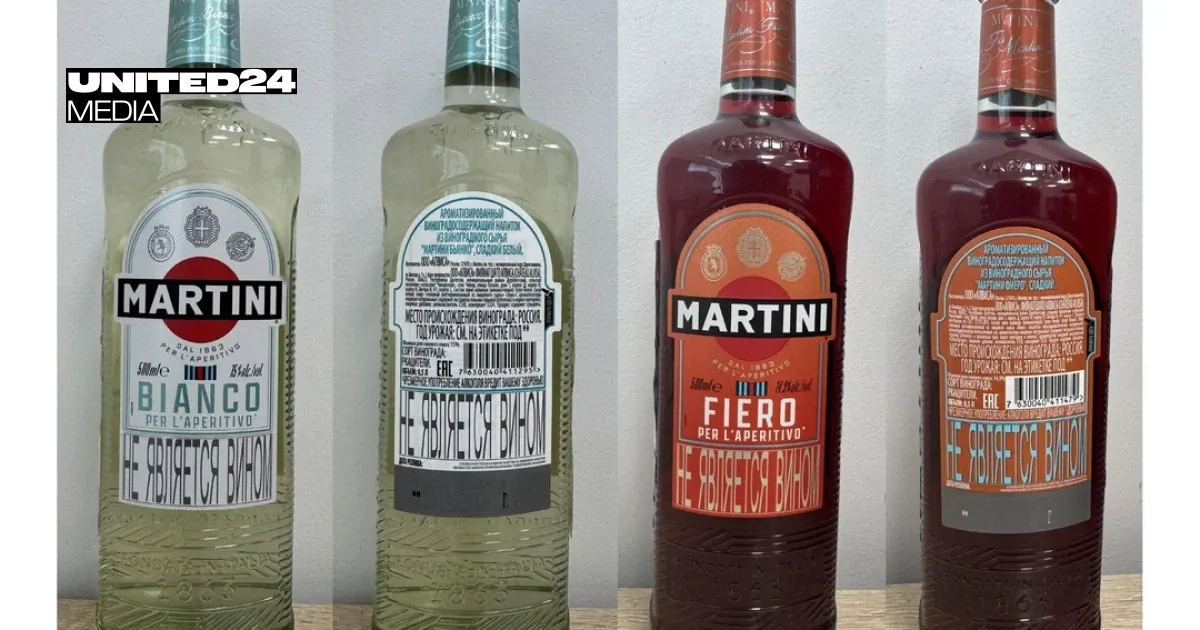
Spirits company Bacardi has launched full-scale commercial bottling of its Martini brand in Russia, significantly expanding its footprint while boosting revenues.
The subsidiary Bacardi Rus LLC saw its annual revenue increase by 71.45%, rising from approximately $380.5 million in 2021 to $572.6 million in 2025, according to The Insider on July 27.
We bring you stories from the ground. Your support keeps our team in the field.
Commercial expenses for advertising, promotions, and brand development alone reached around $123.7 million in 2025. Production is handled in Dagestan by Alvisa, which plans to produce approximately 1 million decaliters, or 10 million liters, of vermouth annually for the Russian market.
Declarations filed with Russia’s alcohol regulator Rosalkogoltabakkontrol registered “flavored grape-containing drink made from grape raw materials ‘Martini Bianco'” with 15% strength on July 10, 2026, and “Martini Fiero” with 14.9% strength on July 13, 2026. Initial shipments were logged on July 17 and July 20, 2026.
The local bottling takes place at Alvisa’s Chateau Alvisa winery in Chinar, located in the Derbent district of Dagestan. Due to domestic regulations concerning grain-neutral alcohol content, bottles carry the mandatory label “Not wine” printed in large type.
The recipe retains traditional vermouth ingredients, including grape raw materials, sugar, alcohol, and extracts of wormwood and gentian root, with citrus flavorings and concentrated orange juice added for Fiero.
In March 2022, following Russia’s full-scale invasion of Ukraine, Bacardi publicly condemned the invasion, promising to stop exports and freeze investments in Russia. However, references to halting exports and marketing expenses were later removed from the official statement, remaining only in web archives.
As international competitors withdrew, Bacardi’s Russian unit expanded its presence, distributing products across Russian retail chains and occupied areas of Ukraine.

Financial tariffs drove the shift toward domestic production. Russian import duties on wine and vermouth from designated non-friendly nations stand at a minimum of $2 per liter or 25% of customs value, alongside a 20% value-added tax adding $0.40 per liter.
By bottling locally, Bacardi saves at least $2.40 per imported liter and gains access to an excise tax deduction of approximately $1.20 per liter available to manufacturers using domestic grapes. Additional pressure stems from Russian policy announcements in May 2026 to raise duties on imported spirits from $3.25 to $5.40 per liter of pure alcohol.
Alvisa’s corporate ownership is linked to the family of Zaur Askenderov, head of the Dagestan Parliament and regional leader of the United Russia party. Although Askenderov formally exited Alvisa’s ownership upon entering parliament, his brothers Kamil and Renat Askenderov, along with the Gurariy family, remain co-owners.

Dagestan is not Bacardi’s only localized bottling hub in Russia. Since 2023, the Tula Distillery 1911 has bottled Bacardi Oakheart rum drinks and Bosford gin using raw materials supplied by Tradall S.A.
In summer 2025, a 51% controlling stake in the Tula plant was acquired by JSC Rosspirtprom, an entity connected to Russian businessman Arkady Rotenberg.
Previously, British consumer goods giant Reckitt Benckiser agreed to divest its Russian hygiene business to domestic conglomerate Arnest Management LLC, accepting an estimated post-tax loss of $232 million due to strict Kremlin exit restrictions.
The transaction encompassed Reckitt’s regional production facility near Moscow, local intellectual property rights, and the transfer of approximately 400 local employees.
-4a56a6b482ec132402c16ef6fcabf9a2.png)

Our reporters work on the frontlines to show what’s really happening in Ukraine. Your support helps them keep reporting.