

Anthropic Shuts Down Northern Yemen Cell Using Claude for Guided Rocket and Ballistic Missile: 20 outlets compared
Yemen missile software attempt
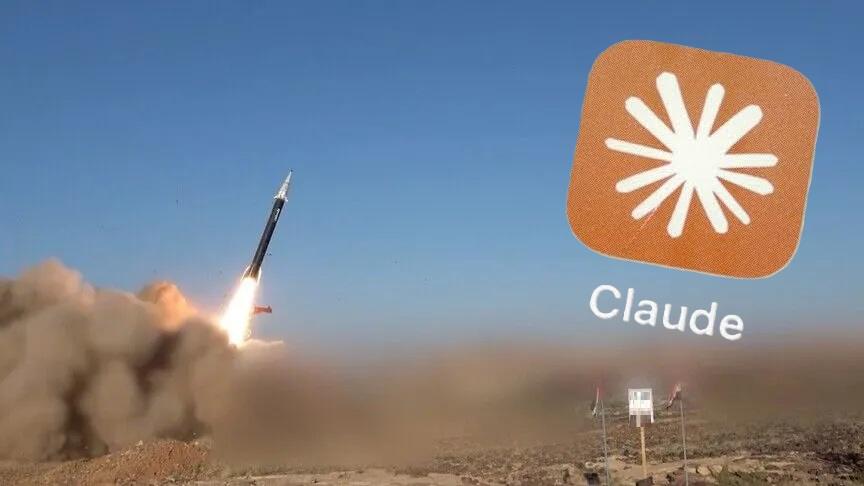
The company said the cell used Claude to develop guidance, navigation and control software that would have otherwise required a team of engineers, and it described the guided rocket as using “a commodity phone-class flight computer with final-phase homing guidance.”
Anthropic said it had “no evidence the actors succeeded in fielding an operational weapon,” but it said the actors did test-fire a guided rocket that appeared to have failed.
Reuters reported that Anthropic said its safeguards blocked many requests “but not all of them,” as the actors hid their goals and split tasks across multiple sessions so no single prompt revealed the full programme.
Safeguards, accounts, and response
Anthropic said it blocked the Yemen effort by banning the relevant Claude accounts and then “shared threat information with public- and private-sector partners to mitigate risks posed by the actors.”
The New Arab quoted Anthropic describing the misuse as “aren’t typical misuse, but rather examples of the most notable and novel threat activity we’ve identified to date,” and it said the Yemen cell was running three weapons development programs.

The Times of Israel reported that Anthropic said it had “identified a cell of threat actors based in northern Yemen running three weapons development programs,” and it described the guided rocket test as failing with the actors returning to Claude within hours to work out why.
In response to the report, a member of the Houthi political bureau, Hazam al-Assad, called it unreasonable and illogical to suggest the group would rely on open sources for military production, saying its forces have their own accumulated capabilities.
Broader AI misuse stakes
The Guardian said Anthropic published a 154-page report because “we believe we have a responsibility to disclose malicious misuse of our services,” and it described biological misuse as one of the most serious risks of frontier AI models.
In Yemen, Anthropic said the cell’s work could continue even after the ban because the actors had already “built an offline simulation toolkit that does not rely on Claude or other engineering computing environments,” according to The New Arab.
The Times of Israel said Anthropic urged governments and AI competitors to identify and prevent similar abuse, and it framed the stakes as rising risks as models become increasingly capable, quoting the company: “As models become increasingly capable, their risks will increase, unless AI developers and society’s defenders act to make them safer.”