

Angola Drought Namibia Displacement Crisis Overview
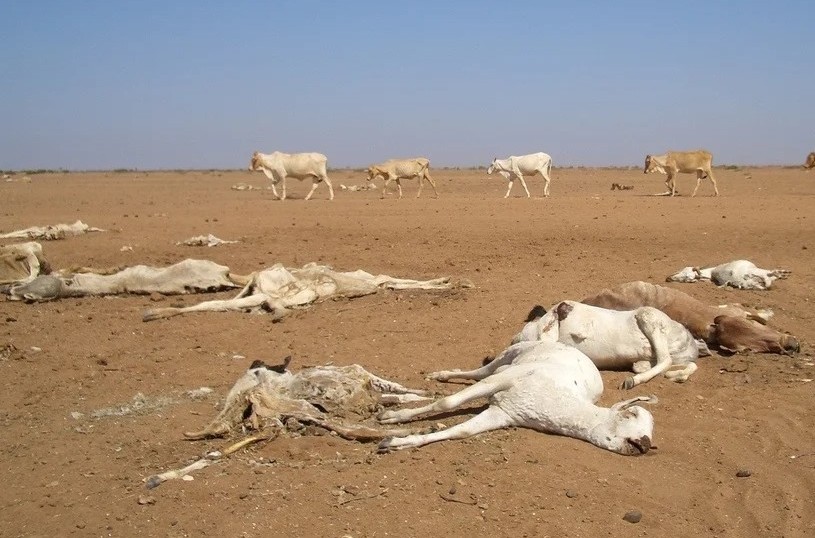
Thousands of desperate Angolans fleeing severe drought conditions are crossing into Namibia only to face detention, poor living conditions and forced deportation, according to a new report by Amnesty International.
The human rights organisation said recurring droughts in southern Angola, made worse by the El Niño weather pattern, have driven mainly women, children and elderly people across the border in search of survival.
More than 7 000 Angolans entered northern Namibia between January and July 2021 alone after years of failed rains and growing hunger, the report found. Border crossings have continued through 2023 and 2024 as drought conditions persisted, though authorities have failed to properly track the numbers.
Once in Namibia, displaced Angolans live in makeshift shelters cobbled together from branches, plastic sheeting and cardboard. Many sleep in the open without proper shelter, crammed into overcrowded spaces whilst constantly fearing arrest.
Namibian authorities have already deported more than 1 000 Angolans this year after finding them without valid immigration papers. Amnesty researchers witnessed officials round up about 40 Angolan nationals, including women and children, in June 2025 and truck them to the border.
ALSO READ: El Niño: Western Cape outlines summer disaster readiness
The organisation raised particular alarm over children being forcibly returned without clear information about what safeguards, if any, were put in place to protect them.
“This is a human rights crisis,” said Tigere Chagutah, Amnesty’s regional director. He called on Namibian authorities to ensure displaced people can access basic rights, including proper registration and identity documents.
The crisis highlights a bitter irony in Angola, one of Africa’s leading oil and diamond producers. Despite its mineral wealth, roughly a third of Angolans live below the World Bank poverty line. Around 11.1 million people depend on rain-fed farming, making them especially vulnerable when the rains fail.
Southern Africa is bracing for an even hotter and drier summer ahead, with fears that a developing El Niño could bring particularly severe drought, extreme heat and water shortages across the region.
Credit: Source link