

Drought pushing Angolans into Namibia: Amnesty
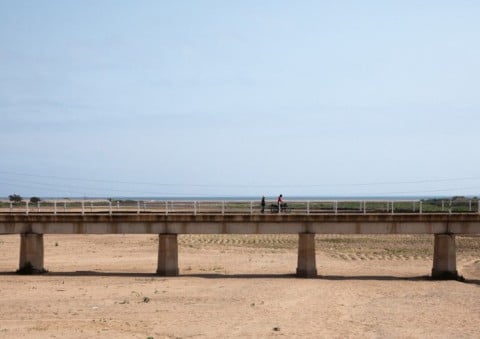
JOHANNESBURG – Climate-driven drought is pushing thousands of Angolans, mainly women and children, into Namibia where they face harsh treatment and forcible return, Amnesty International said on Wednesday.
Several provinces in southern Angola have been hit hard by recurring drought, worsened by El Nino, a weather pattern associated with hotter and drier conditions, it said.
Between January and July 2021, more than 7,000 Angolans — mainly women, children and older people — entered northern Namibia after years of severe drought and food insecurity, Amnesty said.
Cross-border movement has continued since then, including during renewed severe drought conditions in 2023 and 2024, but the scale of drought-related displacement had not been properly recorded, it said.
The report, entitled “The Drier it Gets, the Longer You Have to Walk, the Deeper You Have to Dig: The Human Rights Impacts of Drought-Induced Displacement on Angolan Women and Children in Namibia”, said displaced Angolans lived in poor conditions in Namibia, including without shelter or in overcrowded makeshift structures built from branches, plastic and cardboard.
They also feared arrest and deportation.
Namibia had returned more than 1,000 Angolans this year after they were found without regular immigration status, said Amnesty.
It had witnessed Namibian authorities in June 2025 rounding up about 40 Angolan nationals, including women and children, and transporting them to the border.
Angolan children “have also been subject to government-facilitated forcible returns without sufficient information being made publicly available” on whether appropriate safeguards were applied, it said.
The situation was a “human rights crisis”, said regional director Tigere Chagutah, urging Namibian authorities to ensure “people displaced by drought and other natural disasters can access basic rights, including registration and documentation”.
Angola is one of Africa’s top producers of crude oil and diamonds, but around a third of its population lives below the World Bank poverty line.
Amnesty said around 11.1 million Angolans depend on largely rain-fed rural livelihoods.
Southern Africa is bracing for a hotter and drier summer with fears that the developing El Nino will be particularly powerful and raise the risk of drought, severe heatwaves and water shortages.
Credit: Source link