

5 Lost Cities of Ancient Egypt Uncovered by Modern Archaeology

Egypt is home to one of the earth’s most ancient and fascinating civilizations. Occupied continuously since the 4th millennium BC, Egyptian cities have risen and fallen over the millennia. Even the most powerful political, religious, and trading centers of the ancient world have been lost to time. But as archaeologists explore the Egyptian sands and seabeds, they are rediscovering lost cities, revealing new secrets about the ancient Egyptian world. Discover the secrets of five recently rediscovered Egyptian cities.
| City | Location | Founded | Rediscovery |
| Aten | West Bank of the Nile in the Theban Necropolis | 1386–1353 BC
New Kingdom Amenhotep III |
2020 |
| Armana | East Bank of the Nile in the province of Minya | 1346 BC
New Kingdom Akhenaten (Amenhotep IV) |
18th-19th centuries |
| Heracleion | Canopic Mouth of the Nile | c. 1200-100 BC
Egyptian and Greek city |
2022 |
| Tanis | Northeastern Nile Delta | 1300 BC onwards
Capital of the 21st and 22nd dynasties |
1798, more extensively since 1965 |
| Abydos | Upper Egypt near the 8th nome | 3100 BC
Predynastic Period |
1899 onwards |
1. Aten: The Lost Golden City of Luxor
Known as the “lost golden city,” this former capital was named for the Egyptian sun god Aten. Over 3,000 years old, this city is considered one of the biggest archaeological discoveries since the famous tomb of Tutankhamun. As with many significant archaeological finds, Aten was discovered by accident while researchers were looking for a mortuary temple for the famous boy-king. Upon finding the lost city, excavation began in September 2020 near Luxor.
Located near the ancient capital of Thebes, the city dates to the 18th dynasty and the reign of the pharaoh Amenhotep III, as evidenced by inscribed vessels and bricks bearing the pharaoh’s seal. As a pharaoh of the New Kingdom, Amenhotep III ruled during a time of prosperity and power. The excavated neighborhoods show evidence of how life was when the empire was at its wealthiest. The city itself is remarkably well preserved, with complete walls and homes full of relics and tools used in everyday Egyptian life.
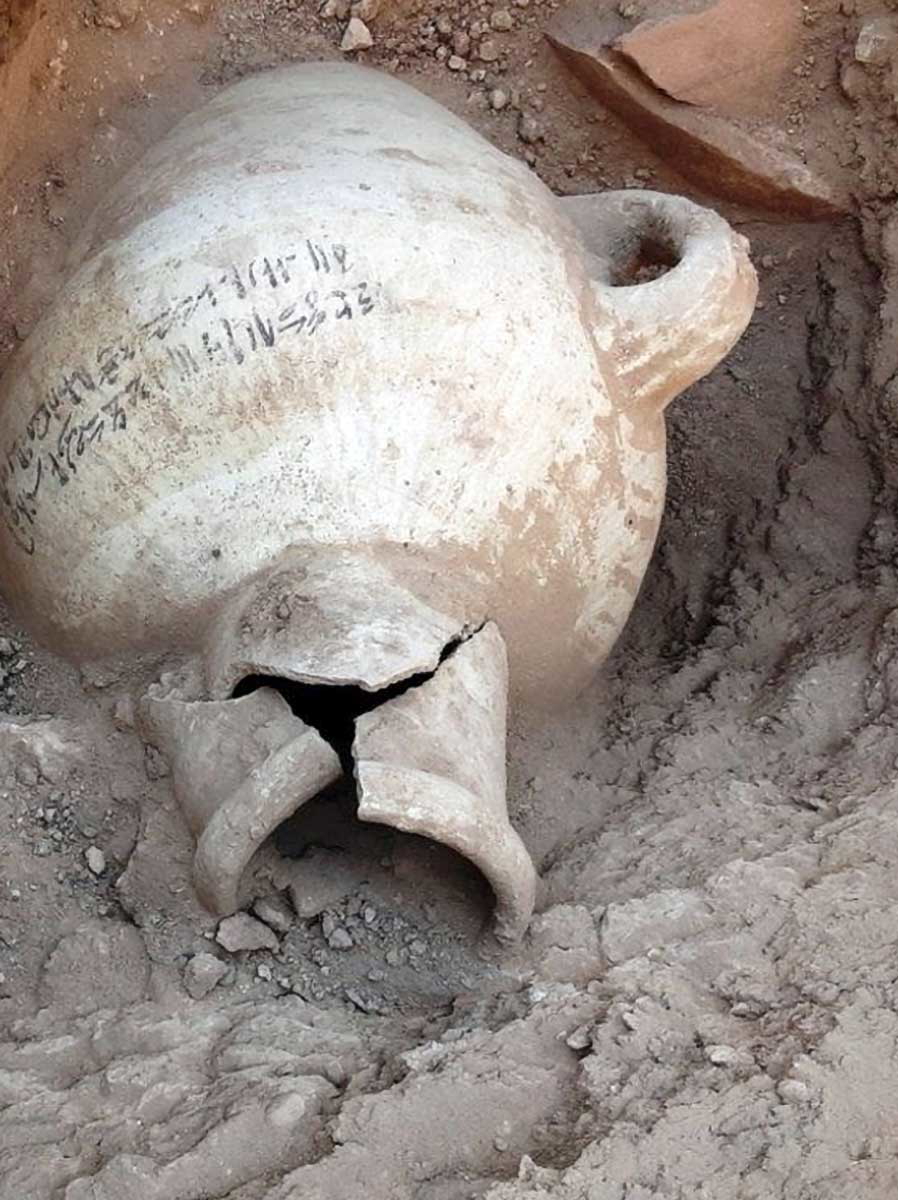
Archaeologists have uncovered distinct industrial and living zones. This includes a large bakery and food preparation area with large ovens and storage pottery, capable of catering for hundreds of workers. There are also workshops for casting amulets, metalworking, glass working, and spinning and weaving. An administrative and security quarter was enclosed by unique zigzag walls, a design meant to control entry and exit points through a single gate.
Amenhotep III’s son, Amenhotep IV, better known as Akhenaten, made many changes to Egyptian politics and religion. Known as the rebel or heretic king, Akhenaten restructured the Egyptian pantheon, favoring one deity: the sun god Aten. Akhenaten then abandoned the traditional royal seat at Thebes and the administrative complex in Aten in favor of the newly constructed city of Amarna.
2. Amarna: Akhenaten’s Abandoned Heretic Capital
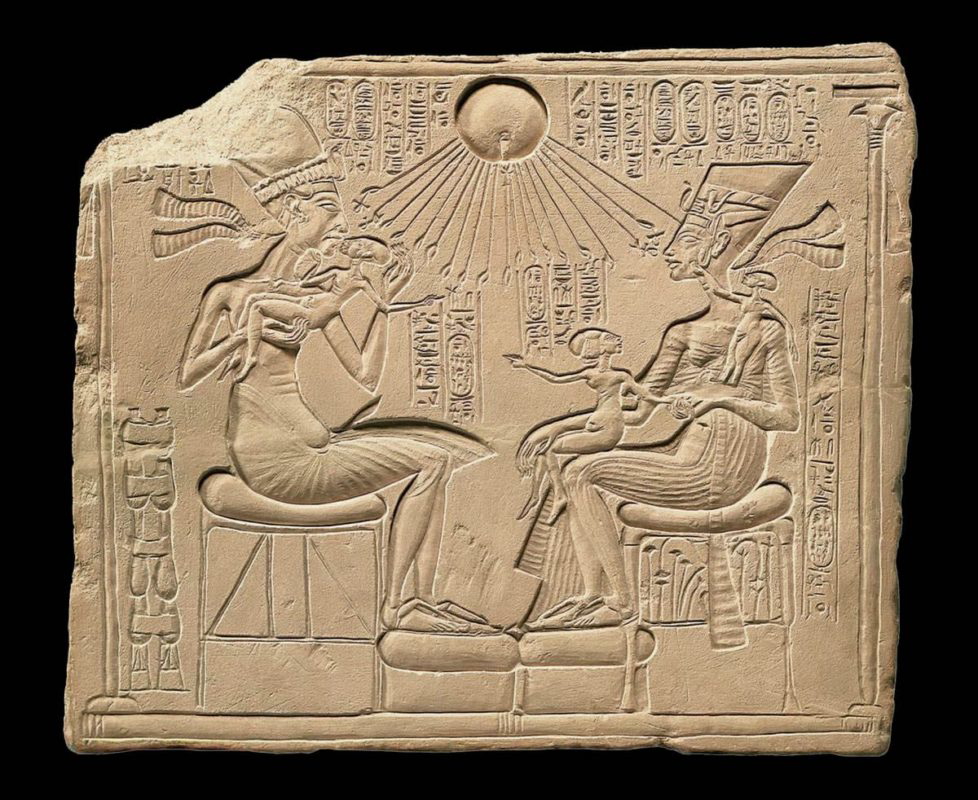
Located about 400 kilometers north of Luxor on the east bank of the Nile, Amarna was built by Akhenaten around 1348 BC. Amarna was not lost in the physical sense. Researchers have discovered evidence that Amarna was occupied for at least a full generation after Akhenaten’s reign. Eventually, the city was fully abandoned, and villages were established closer to the Nile and on the opposite side of the river.
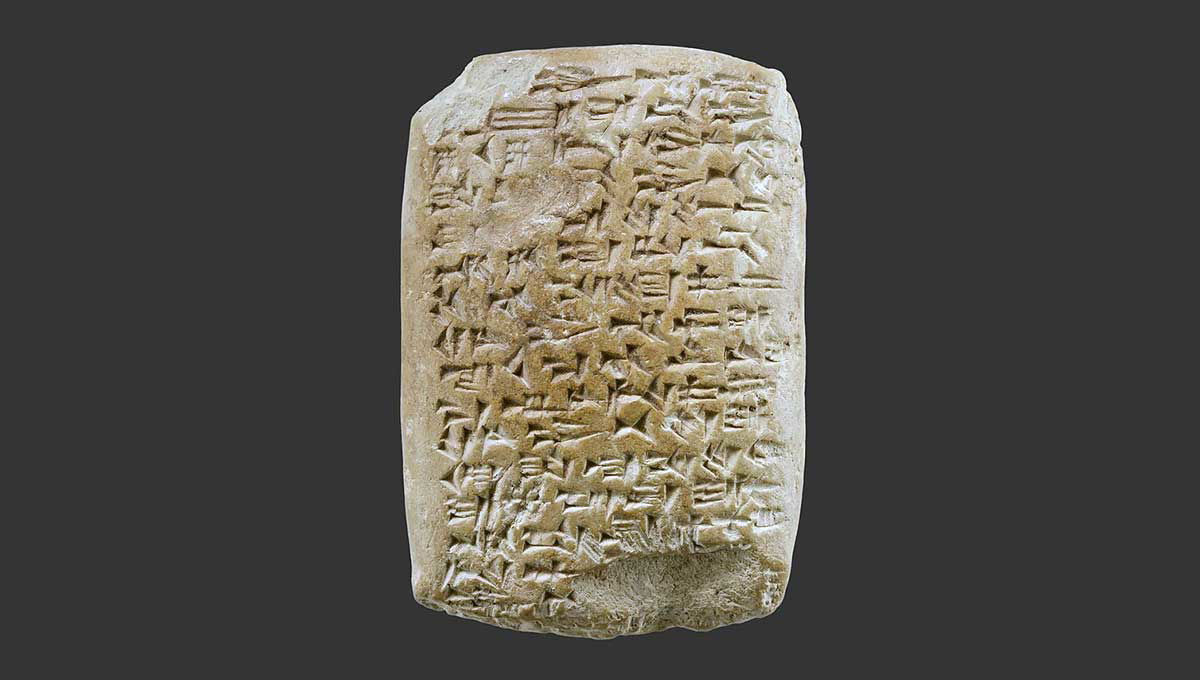
Akhenaten created the city as a new royal and administrative capital. His purpose was likely to centralize power around himself as the pharaoh and diminish the influence of the power Theben priests of Amun by removing them from the center of power. Excavations at Amarna, starting in the 18th century, uncovered many amazing artifacts, such as the Amarna Letters. Written on clay tablets, these letters are an example of the diplomatic correspondence exchanged between Egypt and neighboring territories during the New Kingdom.
With the freedom to build his new city from scratch, it was built and decorated as a homage to the Aten, the deified sun disk, which Akhenaten embraced as the most important, or perhaps only, god. The new religion also embraced a new artistic style. Rather than always depicting members of the royal family as larger-than-life conquerors or alongside the gods, they appeared in typical scenes of day-to-day life. Also, rather than being presented as physically perfect specimens, the pharaoh has a soft belly and elongated head that distinguishes art from the period. Unlike other temples, the temples in Amarna were roofless, so that the rays of Aten could shine down on the worshippers.
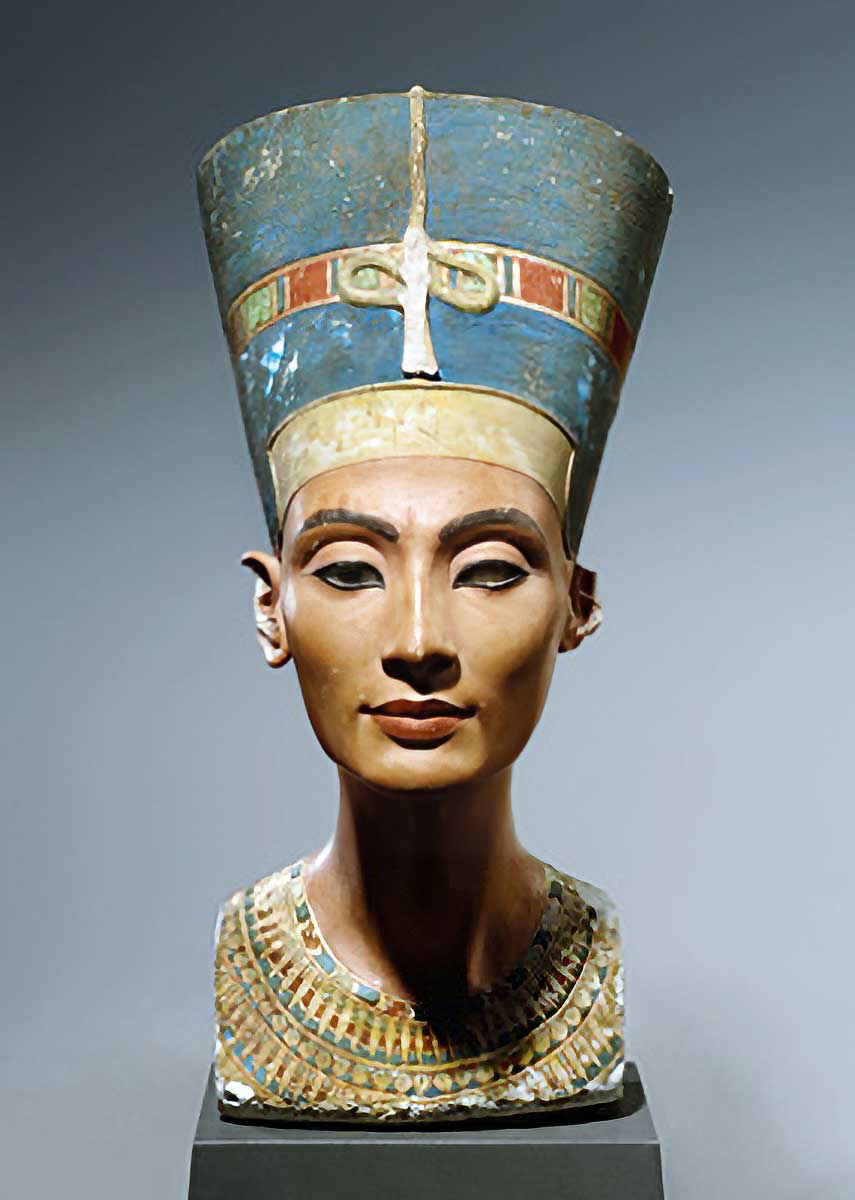
Another significant discovery from Amarna is the famous bust of Queen Nefertiti, wife of Akhenaten. This find is very important because her likeness and story were scrubbed from the record along with that of her controversial husband.
Rather than being lost, the true purpose and history of Amarna were deliberately hidden. Akhenaten’s religious and political reforms were unpopular and were reversed under his son, Tutankhaten, renamed Tutankhamun for the traditional god, under the influence of his advisors. The capital was returned to Thebes. Later, Akhenaten and his successors were carefully erased from recorded history. The Abydos King List set up under Seti I jumps straight from Amenhotep III to Horemheb. Thus, the city of Amarna was lost.
3. Thonis-Heracleion: The Sunken Port of the Mediterranean
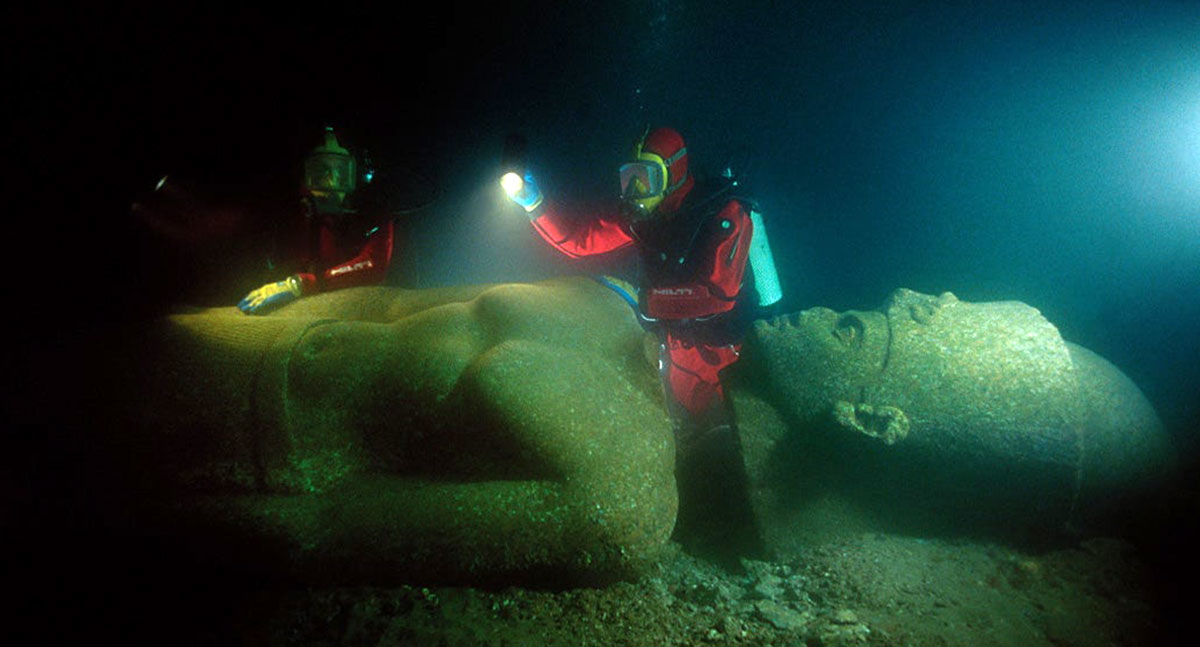
Once a center of wealth and culture, the ancient Egyptian city of Heracleion lay submerged at the mouth of the Nile Delta for around 1,500 years. Dating back to the 7th century BC, this port city thrived until it sank into the sea during the 8th century AD. It is thought to have been the largest port on the Mediterranean until Alexandria was founded in 331 BC.
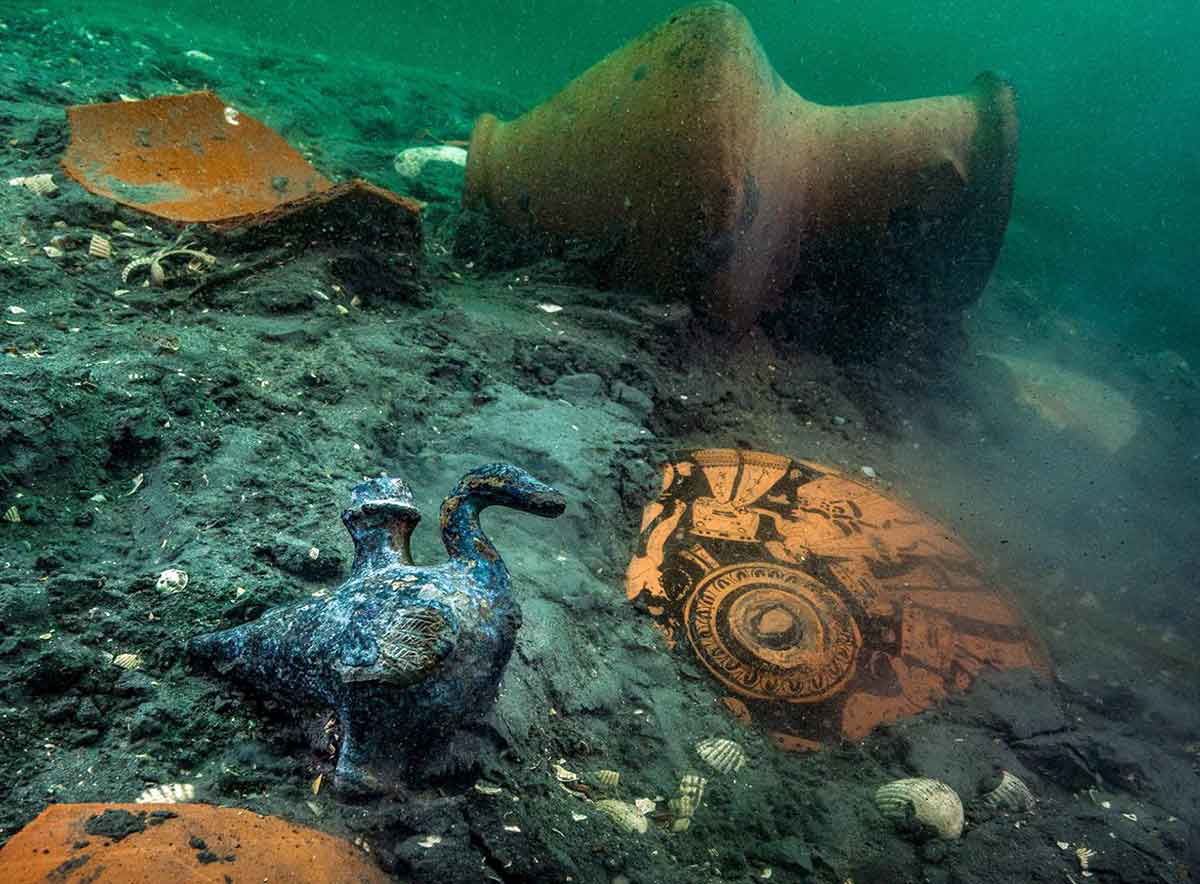
The city was settled by Egyptian and Greek merchants and artisans, as evidenced by the wonderful variety of artifacts recovered from the sunken ruins. A Greek sanctuary devoted to Aphrodite was discovered in Heracleion, full of ceramic and bronze artifacts. Greek weapons were also discovered, thought to have belonged to mercenaries charged with defending the Canopic branch of the Nile.
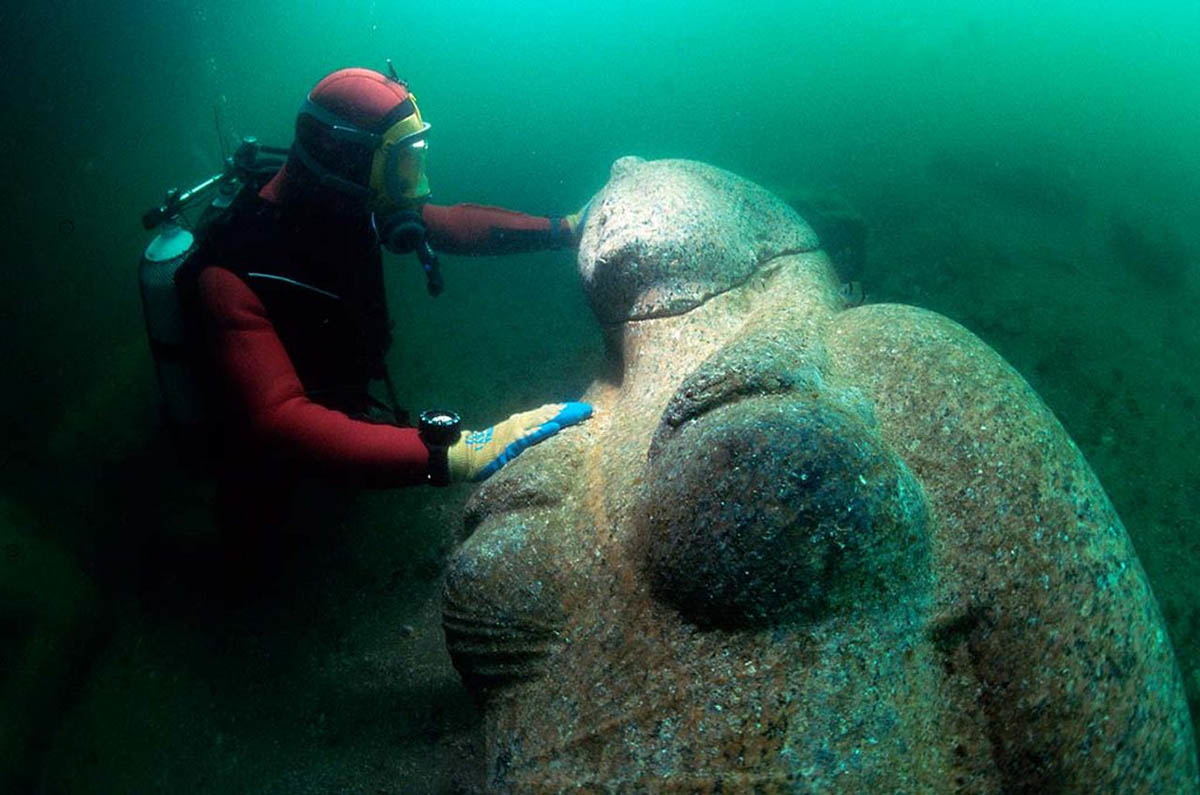
The ruins of Heracleion are about seven kilometers off the modern-day coast of Egypt, under approximately ten meters of water. Temples and the ruins of other buildings were discovered along with massive statues and luxury items such as jewelry and imported Greek ceramics. A tumulus was also discovered, which is a traditional Greek funerary area.
Archaeologists realized the full scale of this once bustling port city when they discovered walls and canals that transected Heracleion. The city was organized around a central temple, with neighborhoods connected by canals. Around 70 shipwrecks and over 700 ancient boat anchors have been found among the canals.
Over time, the area experienced earthquakes and rising sea levels, which triggered flooding of the land at the mouth of the Nile. In turn, this flooding caused the soil underneath Heracleion to liquify. When the ground became unstable, the heavy stone structures of the city sank into the Mediterranean.
Little information about the ancient port city can be found in surviving historical records, so the scientific community did not know the exact location of Heracleion until the year 2000.
4. Tanis: The Wealthy Delta Capital Hidden in Plain Sight
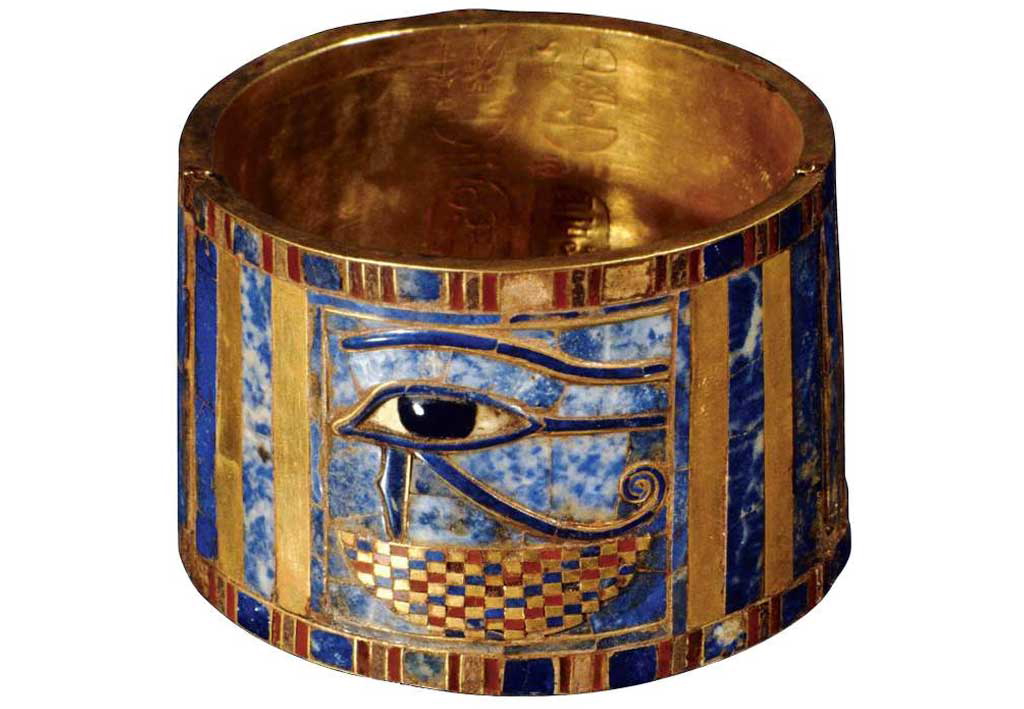
Made famous by Indiana Jones and the Raiders of the Lost Ark, the lost city of Tanis has yielded a tremendous amount of information and dazzling artifacts. However, much of the cinematic depiction of the city is fiction. No Ark of the Covenant or Nazis were involved in the discovery of this lost city.
Located in the northeast Nile River Delta, the ancient city of Tanis was a wealthy center of trade that came to power centuries before Alexandria was founded. During ancient Egypt’s 21st and 22nd dynasties, Tanis also served as the royal seat for Lower Egypt. Meanwhile, the priests of Amun controlled the south from Thebes. The Tanis pharaohs are also known as the Libyan or Bubastite Dynasty, because these rulers were descended from Meshwesh Libyan military commanders who settled in the Delta.
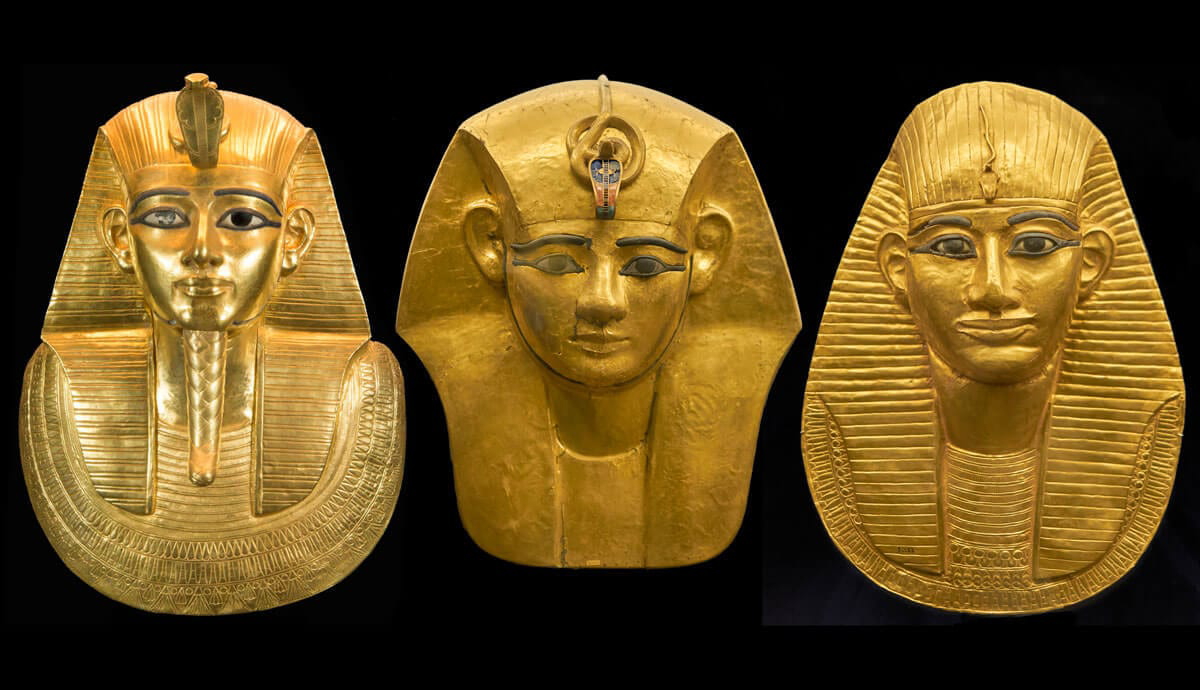
Archaeologists began to excavate Tanis in the 19th century, and in 1939, a spectacular royal tomb complex was discovered. This remarkable find included intact burial chambers that were undisturbed for nearly 3,000 years. Temples, residential complexes, and a wealth of artifacts were found during subsequent excavations. Some of the most remarkable artifacts were recovered from the tombs, including elaborate sarcophagi, golden masks, jewelry, and luxurious ceramics. Another notable discovery was the burial chamber of King Sheshonq II, whose name and story were lost until archaeologists found his tomb.
Tanis rose during a time when political power was divided. Over time, power became consolidated, and the capital of Lower Egypt was eventually abandoned in favor of Memphis. The structures of the once bustling and wealthy city were obscured by sand and silt as the Nile River eventually shifted.
5. Abydos: The Sacred City of Osiris and Early Kings
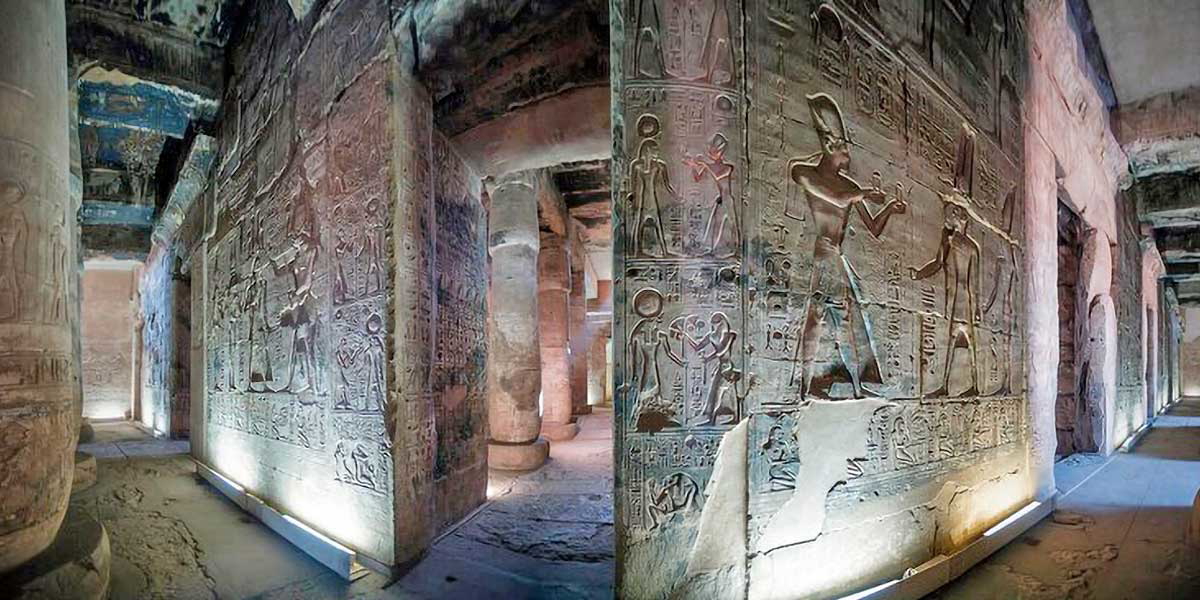
Abydos is probably best known as home to the iconic temple of Seti I. Located in Upper Egypt, the city has long been a sacred site. It served as a necropolis for Egyptian royalty predating the 1st dynasty. The tombs have revealed spectacular artifacts and inscriptions that have provided information relating to Egypt’s predynastic period. Archaeologists discovered 14 wooden boats buried in brick graves near the tombs, intended to transport pharaohs in the afterlife.
Intact ceramic vessels have revealed names of predynastic kings and evidence that Egypt’s written language advanced earlier than previously thought by historians.
The famous temple of Seti I, constructed during the New Kingdom, is one of the most significant of all ancient Egyptian sites. At over 3,000 years old, this magnificent limestone structure opens into an iconic pillared hall and houses several courtyards and intricately decorated chapels. The chapel walls are particularly significant to the historical record, as their carvings depict important funerary scenes. It also contains the Abydos King List, listing 76 previous pharaohs and helping secure our understanding of the Egyptian timeline.
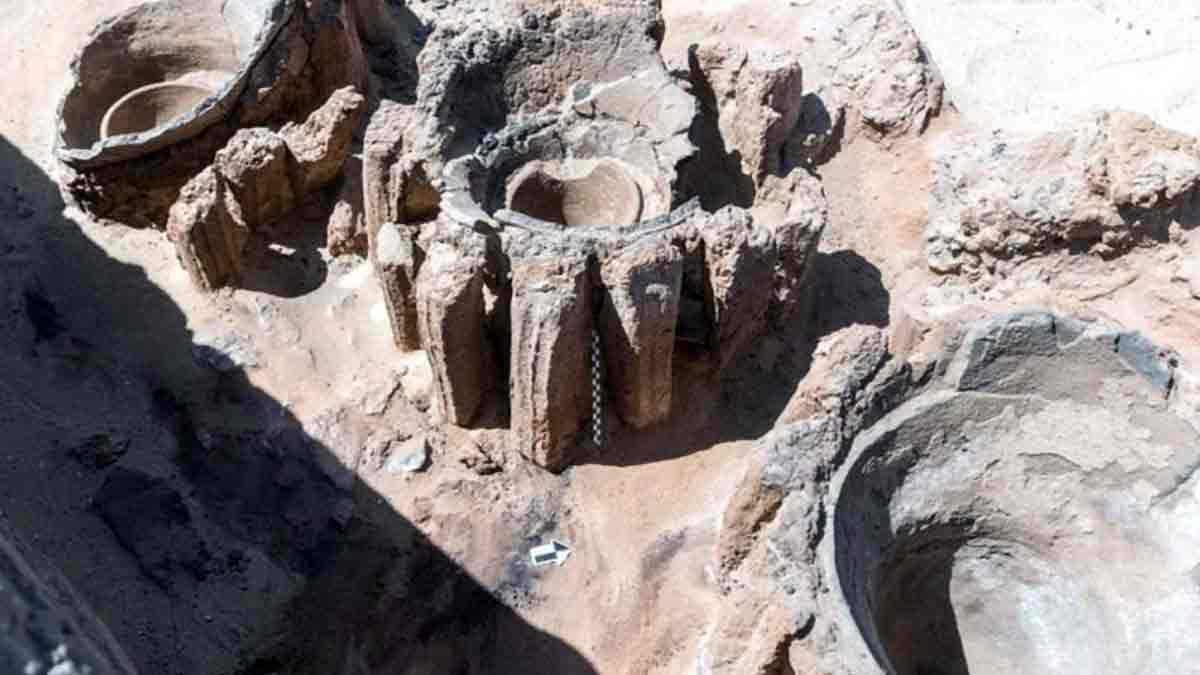
Also discovered in the ancient necropolis was an industrial-scale brewery thought to be the oldest in the world. Researchers estimate that this production center is 5,000 years old and was capable of brewing nearly 6,000 gallons of beer at a time. Tomb inscriptions show that the beer was used in funerary rituals performed in Abydos.
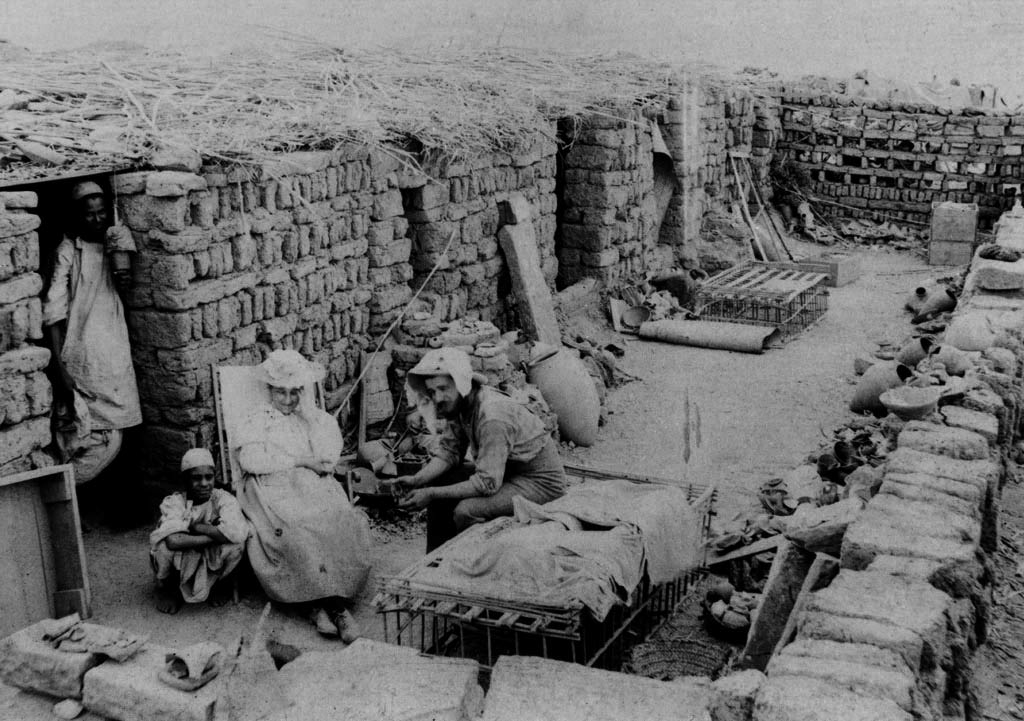
Over time, pharaohs shifted their funerary preferences and began building tombs closer to their royal seats. While kings were no longer buried in Abydos, the city was a place of pilgrimage for the cult of Osiris, the god of the Egyptian underworld and the gateway to the afterlife. Abydos became the destination for a yearly religious procession, as it was believed that Osiris was buried at Abydos. The necropolis grew, as more chapels and tombs were built by Egyptian nobles who wished to be buried near Osiris.
Credit: Source link