

300 years of mummies found in ancient Egyptian tomb
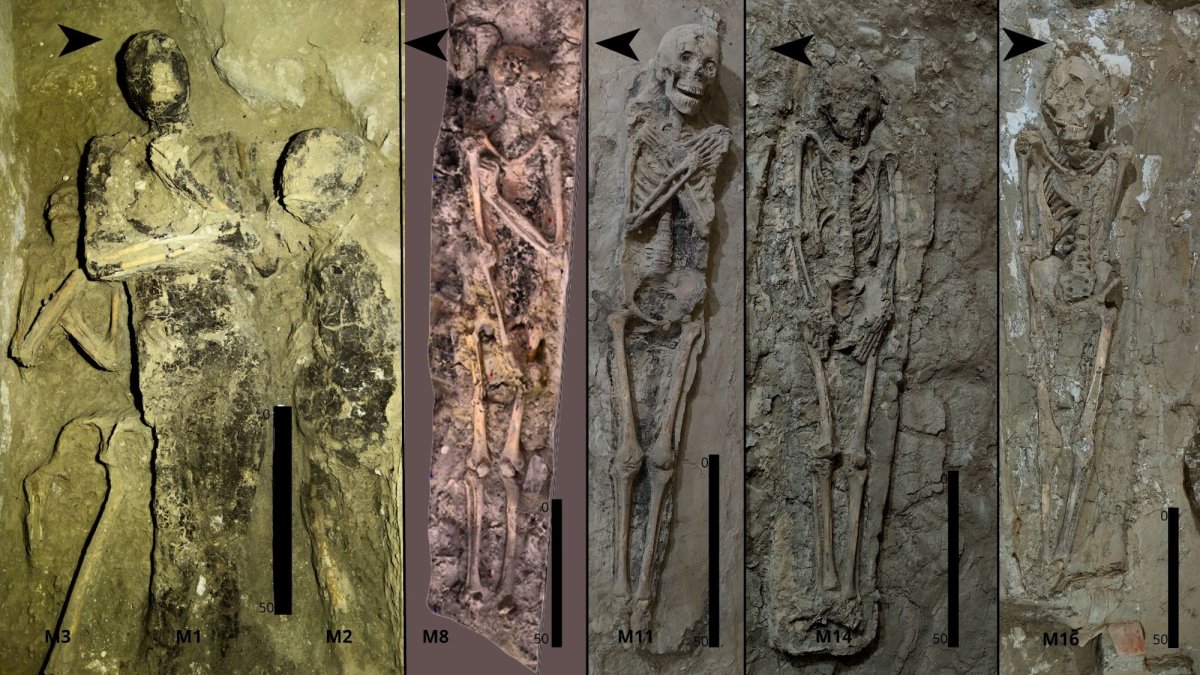
The standard image of an ancient Egyptian mummy often features a very specific type of person and pose. A royal figure is interred with their arms crossed and placed inside a detailed and elaborately decorated sarcophagus. But this particular burial tradition is just one of many within a civilization that existed for over 3,000 years. However, today’s archaeologists don’t have to scour multiple sites to see how these funerary rites shifted over generations Not far from Luxor, a single tomb chamber hosts a diverse collection of mummified remains spanning over 300 years.
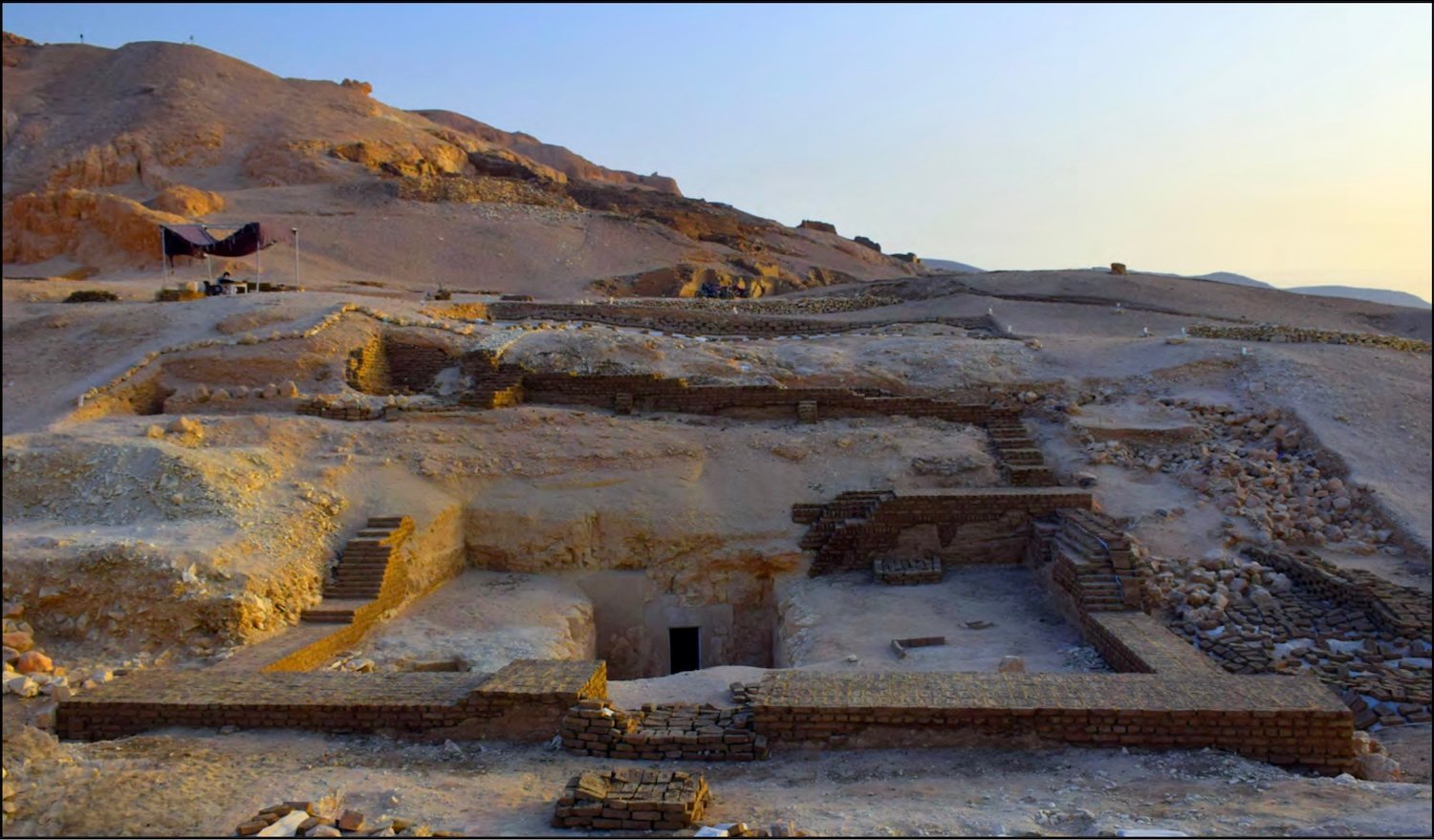
At least 20 ancient Egyptians (and one dog) are detailed in a study published today in the journal Frontiers in Environmental Archaeology by a team from Spain’s University of La Laguna. The remains are located in chamber three of tomb TT 209 in the Theban Necropolis, a complex containing over 400 burial sites near the Luxor pyramids. According to study co-author and archaeologist Jared Carballo-Pérez, the arrangement of mummies over time shows careful planning and an attention to religious subtext.
“The detailed study of the bodies indicates neither chaotic accumulation nor a loss of the original ritual over time,” Carballo-Pérez said in a statement. “Rather, there was a spatial logic in which each new deposition was adapted to the presence of previous bodies—a kind of funerary memory in the processes of reuse.”
To gain better insights into how ancient Egyptians honored the past and recontextualized burial spaces during their own lives, archaeologists first excavated TT 209. The tomb was first constructed during the 25th Dynasty (754–656 BCE), also known as the Nubian or Kushite Empire. They then carefully photographed and sketched the tomb’s inhabitants, while also intricately describing each mummy’s orientation and positioning within the overall structure. In total, the team documented nine separate funerary deposits containing both single and group burials, along with various personal objects and religious items. The timeline showcased how space inside the chamber became a premium over ensuing generations.
“The earliest individuals buried here appear to have been of high social standing, as they were interred in coffins, with funerary nets and amulets, and with an assemblage containing costly items,” explained University of La Laguna Egyptologist and study co-author Miguel Ángel Molinero Polo.
In one instance, a mummified dog was placed directly on top of a man and a woman.
“I find it quite beautiful,” noted Carballo-Pérez. “This could indicate a close relationship between these human individuals and the animal, an idea that I think is quite easy to empathize with.”
Funerary attendants needed to adjust their strategies by the end of the 25th dynasty (680–404 BCE). During what’s also known as the Persian period, mummies were placed wherever space was available, which sometimes necessitated different limb positions. Instead of the earlier tradition of individual interments, almost two-thirds of TT 209’s deceased were arranged vertically. This doesn’t suggest a gradual disregard for the dead, however. Many later generation mummies still featured arms folded over their chests in what’s known as the Osirian position.
“The bodies buried in vertical superposition did not have coffins but were carefully mummified. They also can be associated with upright jars that point to a specific ritual not found in the earlier phases of the tomb’s use,” said Molinero Polo.
This contradicts previous theories which suggest that some ancient Egyptian burial sites became more chaotic as they gradually filled with the dead. If anything, tombs like TT 209 show that care and respect remained a staple of funerary practices for centuries.
“What we present means that deposits that were previously considered ‘disordered’ can be reinterpreted,” said Carballo-Pérez.

2026 Popular Science Home of the Future Awards
Credit: Source link