

Zimbabwe flags cyber risks in digital payments
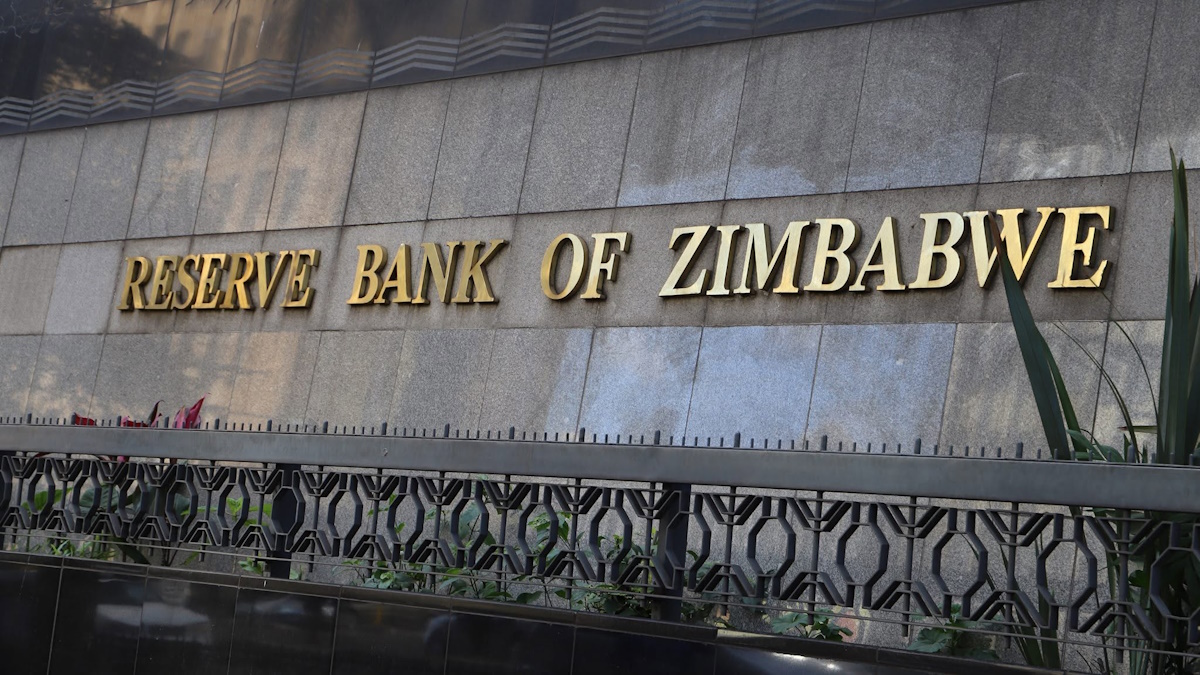
The Reserve Bank of Zimbabwe has identified cyber-security vulnerabilities in the Southern African country’s digital payments ecosystem. (Image source: Reserve Bank of Zimbabwe)
The Reserve Bank of Zimbabwe (RBZ) has identified cyber-security vulnerabilities in the country’s digital payments ecosystem and recommended stronger cyber controls, alongside the deployment of artificial intelligence solutions to assist with fraud detection.
RBZ governor John Mushayavanhu said on Thursday that cyber-security breach “incidents reported to date highlighted some vulnerabilities in third-party service providers, payment channels, and digital banking” ecosystems.
“This reinforces the need for continuous strengthening of cyber controls, incident response and operational resilience across the sector,” he noted in the RBZ’s mid-term monetary policy statement.
The central bank is now urging financial and mobile money institutions to ensure timely and systematic exchange of cyber threat intelligence.
Furthermore, in dealing with digital fraud and cyber-security breaches, the RBZ has asked banking institutions, mobile money operators as well as other digital payment service providers to eliminate ghost, fictitious and duplicate accounts.
This development comes as utilisation of digital payment platforms in Zimbabwe remains low due to concerns over trust, reliability and affordability.
Latest data from the mid-term monetary policy statement confirms this, with the RBZ highlighting, for example, that only 36% of deployed point-of-sale machines are active.
Furthermore, there are only 6.8 million credit cards and 586,605 internet banking subscribers in Zimbabwe.
The number of prepaid cards stands at 193,000, with most used for international e-commerce payments.
Credit: Source link