

Zambia’s 4.1 Million Ton Corn Miracle:…
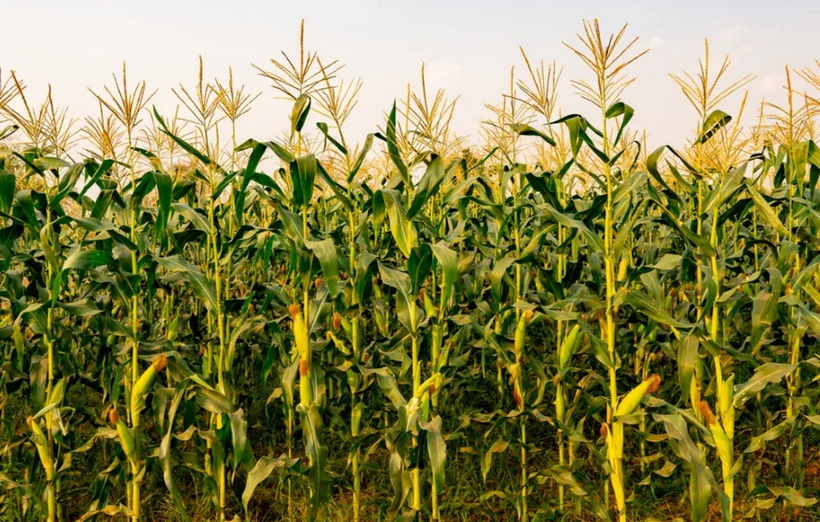
While much of the world still wrestles with food-price volatility, Zambia is quietly writing one of the most inspiring agricultural comeback stories on the continent. The country’s 2025/2026 maize harvest is now officially projected to surpass 4.1 million metric tons – a stunning second consecutive bumper crop that has transformed Zambia from a nation battling shortages to a confident regional exporter.
The numbers are breathtaking. According to the latest Crop Forecasting Survey released by the Zambia Statistics Agency and the Ministry of Agriculture, total maize supply for the 2025/2026 marketing season will hit approximately 4.04 million tons after accounting for carryover stocks, easily exceeding national requirements of 3.54 million tons and leaving a healthy surplus of over 500,000 tons. That’s more than double the drought-hit harvest of two seasons ago.
Farmers in the fertile Central, Copperbelt, and Eastern provinces – the engine room of Zambia’s maize belt – are celebrating what remote-sensing data from the FAO describes as “improved vegetation conditions” and near-perfect rainfall. Smallholder yields have jumped dramatically thanks to better seed varieties, timely fertilizer distribution under the government’s Farmer Input Support Programme, and a return to favourable weather patterns.
“This is not luck – this is policy meeting mother nature,” says Agriculture Minister Mtambo, speaking from a bustling maize market in Chipata. “Our farmers delivered. Now we’re turning that surplus into jobs, exports, and lower food prices for every Zambian family.”
The economic ripple effects are already visible. Millers report that maize prices have dropped sharply, cooling inflation and easing pressure on household budgets. The Food Reserve Agency is sitting on record stockpiles, giving the government flexibility to export to neighbours facing deficits while still protecting local food security. Zimbabwe, DRC, and even parts of Southern Africa are already lining up as buyers.
For rural communities that make up the backbone of Zambia’s economy, the bumper harvest means real money in pockets. A typical small-scale farmer in Mkushi who harvested 15 tons this season (triple his output two years ago) is using the extra income to send children to secondary school, buy solar panels, and invest in livestock. Women-led cooperatives – long the unsung heroes of Zambia’s agriculture – are leading the charge in value addition, turning surplus maize into animal feed, porridge, and even ethanol.
International observers are taking note. The FAO’s latest brief confirms that this will be the second year running of above-average cereal output, positioning Zambia as a stabilising force in regional food markets. Economists project the sector could add up to 1.2 percentage points to national GDP growth this year alone.
Challenges remain – post-harvest losses, storage infrastructure, and the need to diversify beyond maize – but the momentum is undeniable. Young agronomists are returning from universities abroad to launch drone-based extension services and climate-smart farming apps. The private sector is pouring money into irrigation schemes and processing plants.
As one jubilant farmer in Lundazi told me while loading a truck with yellow maize: “Last year we prayed for rain. This year we’re praying for more trucks. God and government finally listened.”
Zambia’s corn revolution isn’t just about filling granaries. It’s about restoring pride, creating wealth where it matters most, and showing the rest of Africa what’s possible when farmers, policy, and nature align. The 2026 harvest has done more than feed the nation – it has fed hope across the continent.
Crédito: Link de origem