

Youth, Military, and Revolutionary Memory in Cuba — C41 Magazine
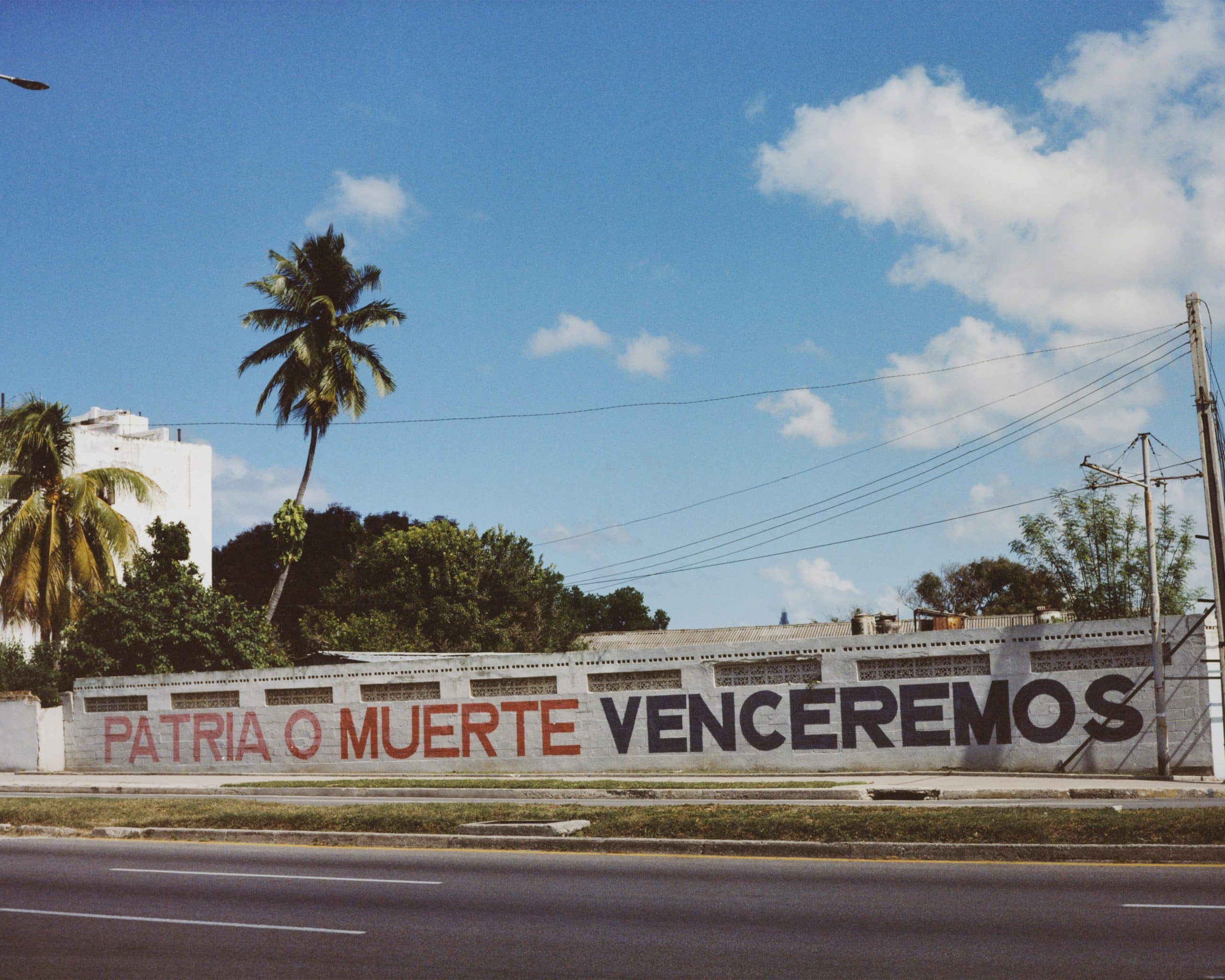
I first came to Cuba more than a decade ago, knowing little, carrying only a couple of fragments that had lodged themselves in my mind and piqued my curiosity. I knew the imagery, of course, of bearded revolutionaries who had come down from the mountains to topple a dictatorship and, in the story I had absorbed, turned around and taught peasants to read, their children becoming teachers, doctors.
I also knew about Los Carpinteros, a group of artists who transformed the likeness of everyday objects – nails, dressers, pencils, beds – into surreal, impossible sculptural forms, in a way that made you wish you’d come up with that brilliance yourself, and then humbly accept that you hadn’t. Through them, I went looking for other Cuban artists who might tickle me the same way, running into the vague and persistent rumor that Cuba was a place that excelled in the arts.
Then I heard it was incredibly safe. Safe enough for women to walk alone at night. Safe enough that the only real instruction for travel was practical: bring enough cash to last the entire trip, because there would be no other way to get more. And bring toilet paper.
My first visual memory of arriving in Havana for the Bienal de la Habana was an absence of billboards. Nothing reaching to sell anything, other than socialist slogans. The drive in from José Martí International Airport is lightly rural, and then, somewhere past a threshold, the city center arrives quickly, past the monumental outline figures of Che Guevara and Camilo Cienfuegos in the Plaza de la Revolución, and you are in the Havana of postcards.
It’s funny how your first time visiting a place becomes the marker, and every trip after becomes a comparison. It sets the standard. Things I remember from that first trip: no phone service, no internet, people were cautious in how they spoke, what they said. And there were two currencies. There were also restaurants for foreigners and those for Cubans. Soldiers were posted around the city, which was clean and orderly. If you got lost you could look for the Malecón, which was full of people of all ages. Things didn’t feel good or bad, they just were.
I came again just before the normalization with the U.S. This time the feeling in Havana was optimistic. Cuban talent that had left years before was returning to the island, eager for the chance to contribute and build something in their homeland. There was excitement, anticipation of something new.
By 2017, under the Trump administration, bilateral ties deteriorated as the U.S. stepped up economic sanctions. In the final days of his first term in 2021, President Trump dealt a cruel blow, putting Cuba back on the State Sponsors of Terrorism list. Around the same time, Cuba unified its dual-currency system, triggering steep inflation, shortages, and a deepening economic crisis, compounded by the pandemic’s collapse of tourism.
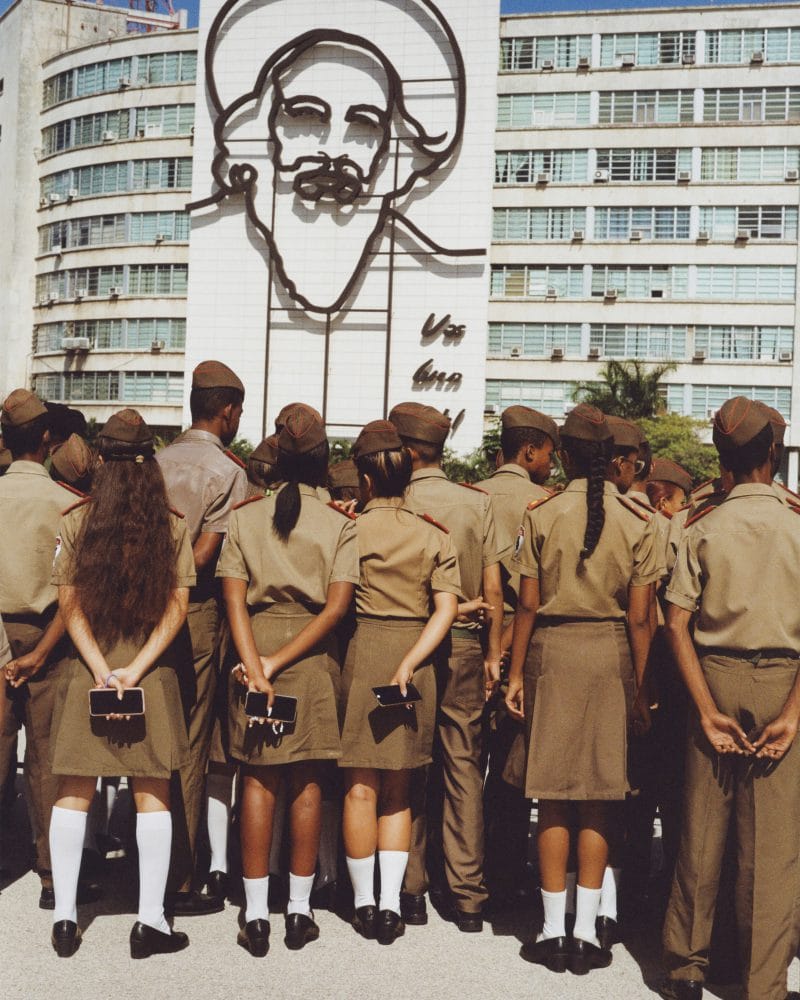
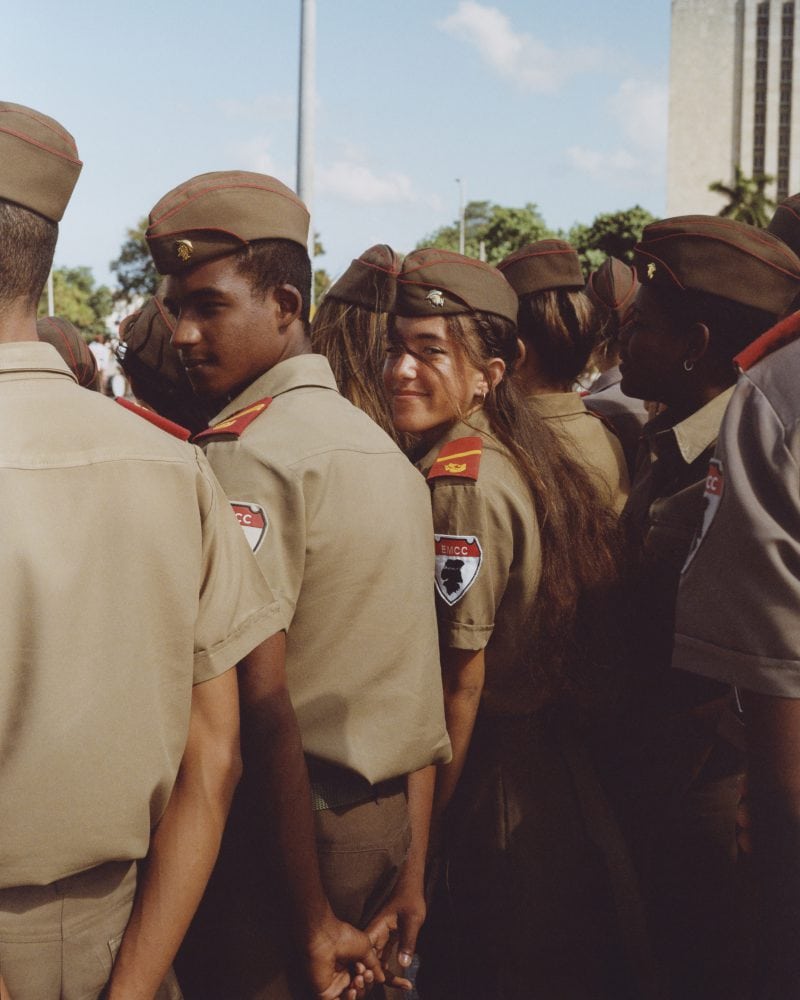
My visit in 2021 felt drastically different. Hope had mostly dissipated and people felt deflated but not defeated. I came back every year after, spending time focused on photographing the youth. With each visit, things were markedly harder for almost all Cubans. Havana got darker, fell further into disrepair, grew emptier, and crime went up. Those I had worked with the year before were no longer there when I returned the next. People grew angrier, at the United States for the embargo, and at their own government for failing to find a way through it.
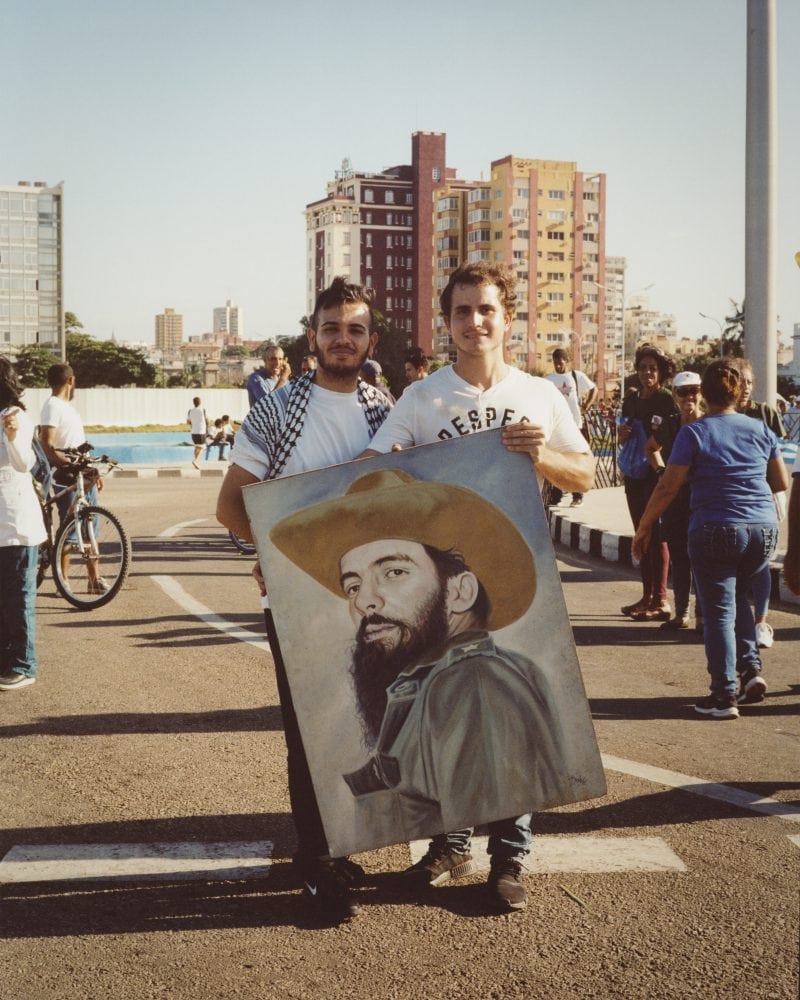
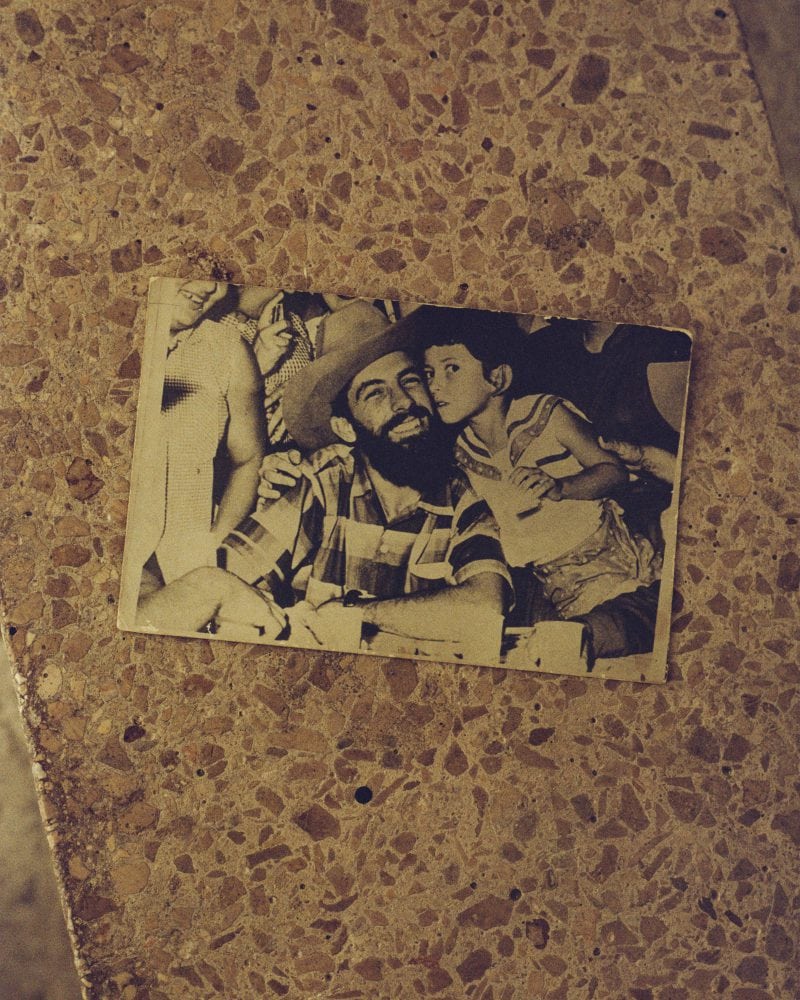
In the middle of all this, a friend told me about the beautiful ritual I would go on to photograph. Flores para Camilo. Camilo Cienfuegos was one of three central figures of the Cuban Revolution, alongside Fidel Castro and Che Guevara. He was a charismatic guerrilla commander beloved for his warmth and his role in the final military victories of 1958. Internationally, he’s the least known of the three, perhaps because he died so young, only months after the revolution’s triumph, when the small plane carrying him back to Havana disappeared over the sea and was never found. But within Cuba, he may be the most beloved, his memory untarnished by a long life. Each year on the anniversary of his disappearance, students, soldiers, and ordinary citizens gather and throw a single flower into the sea for him.
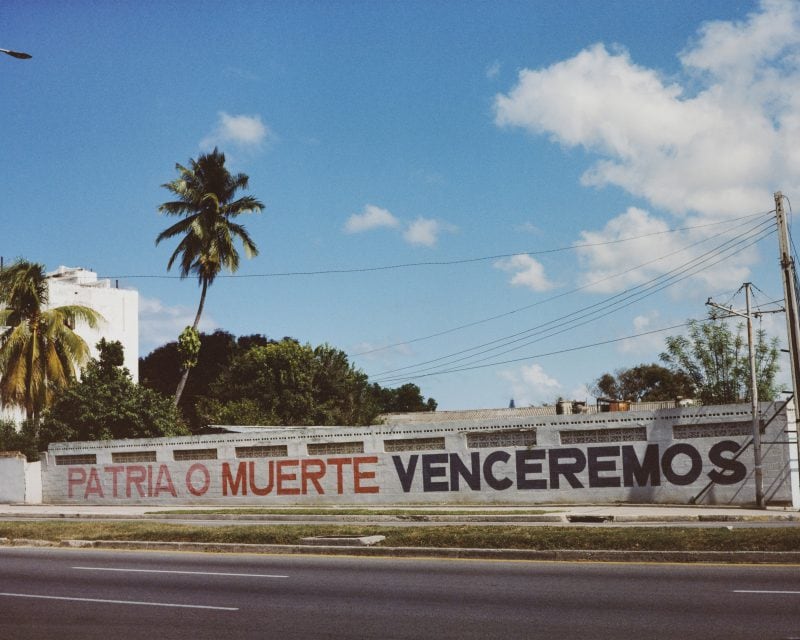
Today, things in Cuba have surpassed dire. A U.S. oil blockade has allowed only one tanker to come in this year. Blackouts stretch twenty-two hours to days at a time. Weeks go without running water. The elderly are passing out from starvation. Babies are dying in hospitals. Life is unbearable. Everyone wonders what will become of this country, yet no one has faith a solution is near. Immediate survival is so urgent that preserving the gains of the past in education and healthcare is far from a priority. On my last trip, a couple of months ago, a friend and I reminisced about the nights we used to walk home before sunrise, after staying out far too late, carefree and without worry, because the streets had light, and were safe and clean. Things are so far from that today, but we are grateful for these memories.
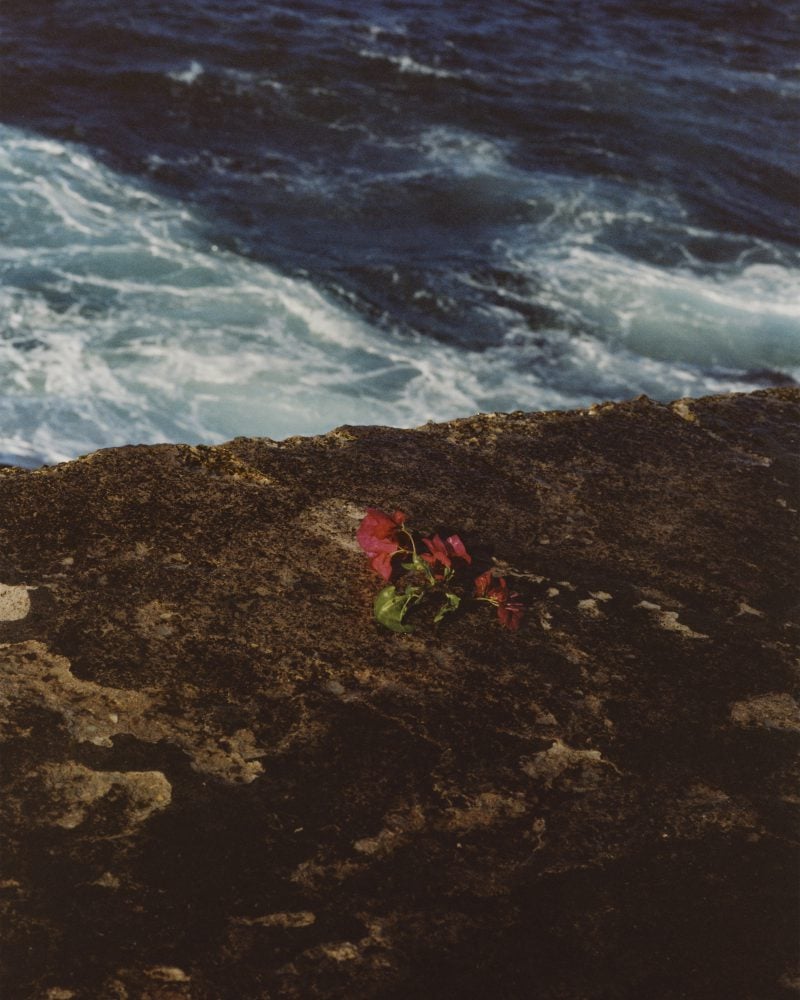
I think often about the young people on this island, the ones I’ve photographed, those whose dreams have been paused to focus on the daily task of endurance. I think about those now serving in the Cuban military, their faces burned into my memory from my own photographs. As U.S. pressure increases, I pray that is an opponent they never have to face. I hope, instead, that this time of hardship will pass sooner than later, and that one day they will look on memories like this ritual with fondness — a single flower thrown into the Malecón, that beautiful long stretch of waterfront running along Havana, accessible to all — and that whatever difficult years come between now and better will fade the way hard years eventually do, leaving only the parts worth keeping.