

Yemen’s Long War Turns Again Toward Sana’a
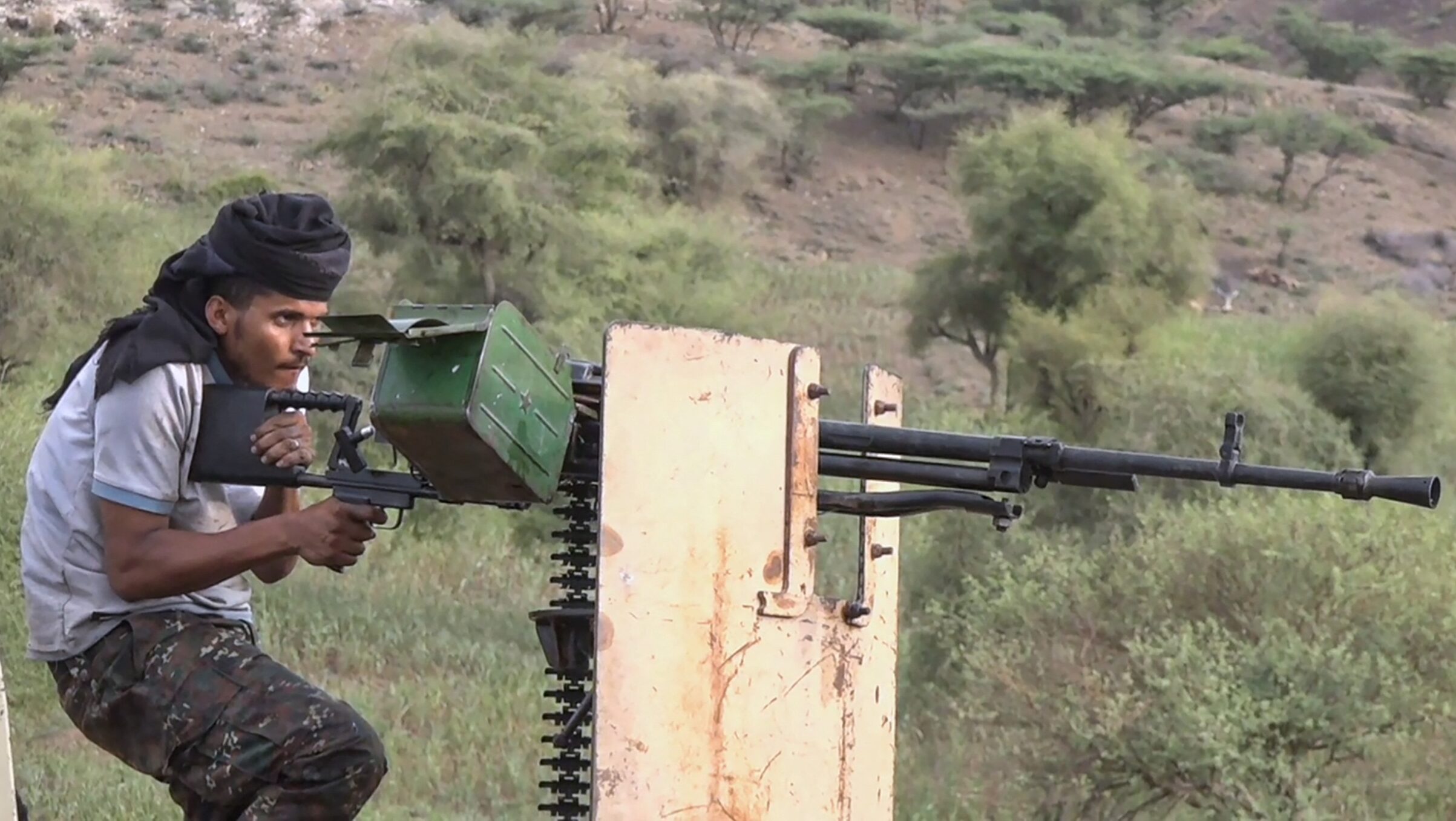
After years of stalemate, Yemen’s war is moving back toward the prize that has defined the conflict since 2014: Sana’a. Government forces say they have opened a counteroffensive across several fronts and are working toward retaking the capital from the Houthi movement, which has held it for nearly 12 years.
Hudhaifa Ebrahim reports that the campaign is being framed by Yemeni officials as more than a battlefield operation. Deputy Defense Minister Maj. Gen. Samir al-Sabri says the decision to liberate Sana’a has been made, while military representatives portray the Houthi project as an effort to reshape Yemen’s religious, social, and cultural identity.
The fight is far from a straightforward march on the capital. Government claims of gains in Al-Jawf, Al-Bayda, Taiz, and Al-Hudaydah have not been independently verified in full. Yemen’s northern mountains, Houthi networks, and years of experience resisting air campaigns leave any offensive dependent on ground troops, tribal support, intelligence, and local alliances.
The renewed fighting has already spilled across the border. Houthi missile and drone attacks on Abha, Jazan, Najran, and Khamis Mushait in Saudi Arabia injured 73 people and disrupted energy facilities, according to Saudi authorities. The group calls the Yemeni campaign “Saudi aggression” and warns of further attacks.
Yemeni military figures describe a force shaped by years of preparation: consolidating units, cultivating tribal backing, gathering equipment, and adapting tactics. Analysts cited in the report point to surprise attacks, disrupted supply routes, drones, and air cover as part of the government’s approach. They also argue that Tehran’s own conflict with the United States may have reduced its capacity to supply the Houthis.
Outside powers could yet affect the campaign. Saudi Arabia, Turkey, and Pakistan signed the Mecca Joint Defense Agreement in August, but no Turkish or Pakistani deployment to Yemen has been announced, and the agreement’s practical military obligations remain undefined.
For Sana’a residents, the contest is not merely strategic. Interviews describe unpaid salaries, declining services, restricted movement, and a grinding struggle to meet basic needs. Houthi-aligned voices counter that the group remains armed, prepared, and unwilling to compromise.
For the full sweep of Yemen’s shifting battle lines, political pressures, and competing claims, read Ebrahim’s complete report.