

With Houthis’ support, Somali pirates show biggest resurgence in decade amid West Asia war
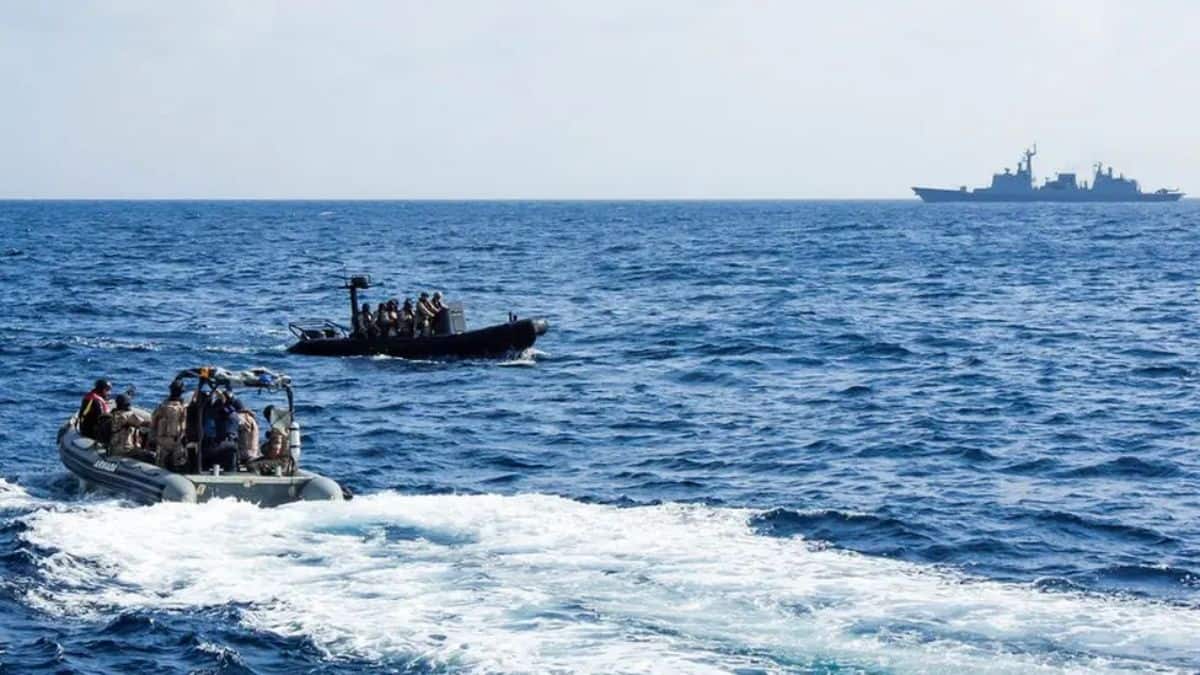
Somali pirates are experiencing their biggest resurgence in more than a decade as Yemen-based Houthis appear to be collaborating with them to disrupt international waters. In at least 17 piracy-related incidents over the past five months, more than 100 sailors have been taken hostage — including at least 22 Indians.
Somali pirates are witnessing their biggest resurgence in more than a decade as Yemen-based Houthis appear to be increasingly collaborating with them.
Pirates have hijacked two ships off the coasts of Yemen and Somalia with 22 Indian sailors onboard, and these are not isolated incidents.
Since the United States and Israel launched the war against Iran, there have been at least 17 piracy-related incidents over the past five months, and more than 100 sailors have been taken hostage, according to data collated by The New York Times.
Tactical & strategic convergence of Houthis, Somali pirates
While there are some localised reasons for the rise that predate the ongoing West Asia conflict, there are signs that Somali pirates have begun collaborating with the Houthis after the outbreak of the war.
Consider these incidents: Somali pirates in May hijacked an oil tanker off the coast of Yemen and routed it to Somali coast through the Yemeni waters and pirates on Thursday hijacked a ship off the coast of Yemen and then directed it towards Somalia.
It is a win-win arrangement for both the parties: pirates get more avenues for ransom, and Houthis get to disrupt the international shipping — Houthis and their patron, Iran, have used the disruption of international shipping as a leverage over the West since the outbreak of the Israel-Hamas War in 2023.
ALSO READ: Seafarers’ union says IRGC attacked Indian-crewed ship in Strait of Hormuz with RPG, shares videos
But the collaboration between Somali pirates and Houthis goes beyond the usage of Yemeni waters for transit. Over the years, the Houthis and Somali pirates have cultivated an alliance in which the Houthis at times provide technology and military backup to pirates, according to The Times.
The newspaper further noted that the ongoing war in West Asia and resultant disruptions in the international waters could give the Houthis and Somali pirates more reason to work together as the high price of fuel presents an opportunity to profit mutually.
“The most frequent successful spate of piracy attacks in almost a decade and a half are going virtually unnoticed on account of just how bad the maritime security picture is in the wider region,” Ian Ralby, who heads the maritime governance nonprofit Auxilium Worldwide, told the newspaper.
Comments are closed.