

Will Senegal’s political fracture impact debt negotiations?
Senegal is heading into a fresh period of political uncertainty just as it faces the delicate task of addressing more than $11 billion in previously unreported debt, a combination that could weigh on negotiations with the International Monetary Fund and test investor confidence in one of West Africa’s most closely watched democracies.
President Bassirou Faye is expected to call a referendum on a proposed constitutional amendment, according to the interview, as tensions deepen within the country’s new ruling camp. The dispute comes at a sensitive moment for Senegal, where the government must balance domestic political management with the need to demonstrate enough stability and policy coherence to advance talks with international lenders.
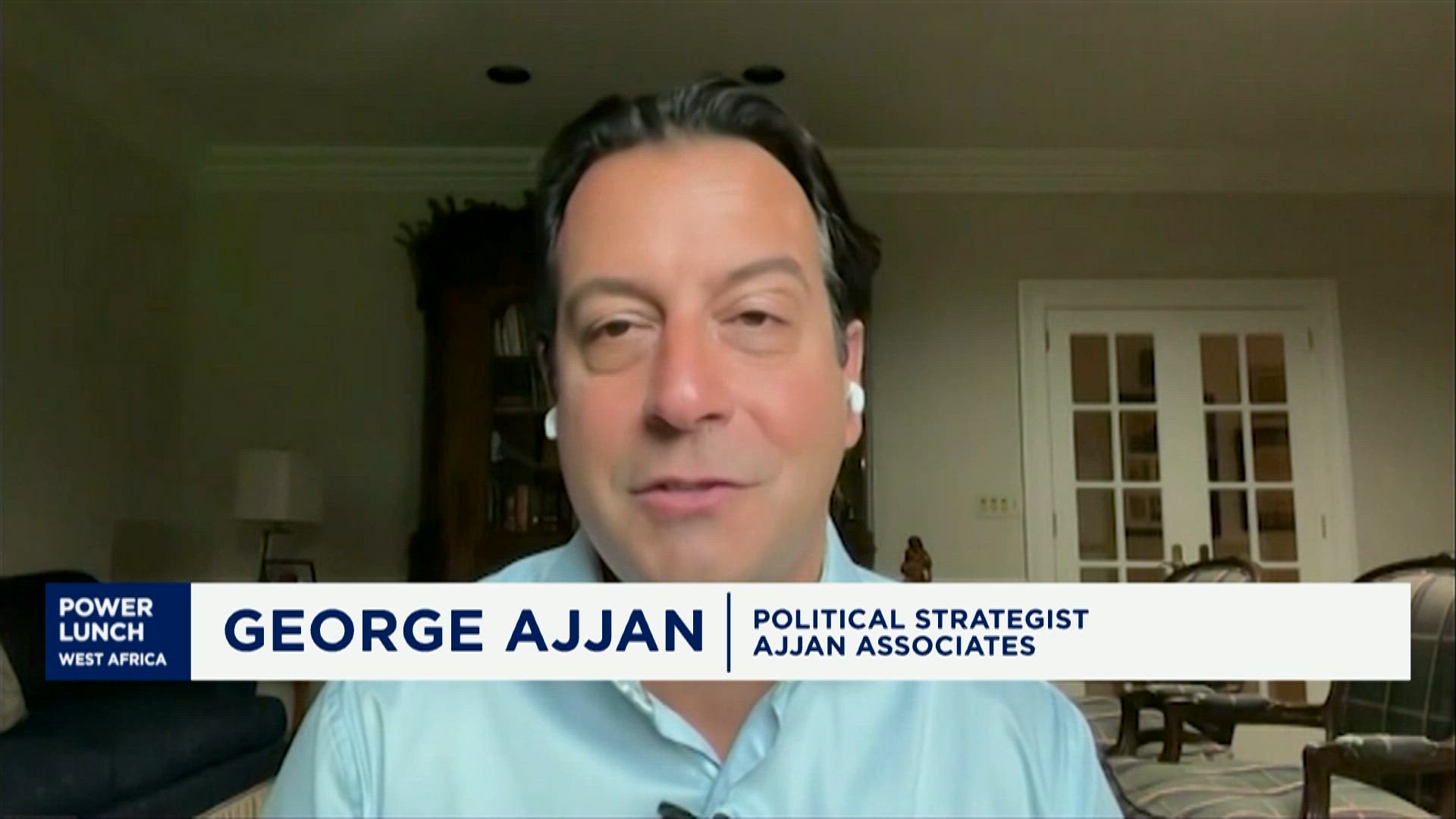
Speaking in the interview, political strategist George Arjan said the current rupture may reshape Senegal’s political landscape over the coming months, even if the country’s longer democratic history offers some reassurance. Arjan stressed that Senegal remains a pivotal state in West Africa despite its smaller size, pointing to a record of peaceful transfers of power since independence in 1960.
“Senegal is a much smaller country, but it’s also key and very, very important because since 1960 when it gained independence, it has had a peaceful transition of power every single time,” Arjan said. He noted that the country is the only one in West Africa never to have experienced a coup or military takeover, underscoring why markets and international institutions are likely to monitor the latest crisis closely.
That democratic exceptionalism, however, is now being tested by a growing split between political allies who rose to power together as symbols of change. Arjan described the emergence of Faye and his political partner as a generational break from the traditional establishment, particularly at a time when West Africa was reeling from coups in Sahel states including Mali, Burkina Faso and Niger. In that environment, Senegal had appeared to offer a different model: not military rupture, but a new civilian political force capable of defeating entrenched elites at the ballot box.
Instead, the strategist said, Senegal now finds itself with a “new political establishment that is fractured within the first couple of years.” The speed of the fallout raises questions not only about governance but also about the administration’s capacity to deliver the economic reforms that creditors typically demand.
For the IMF, the key issue is likely to be whether Senegal’s leadership can maintain enough institutional control to push through fiscal and socioeconomic measures needed to address the debt overhang. Arjan suggested that clarity is unlikely to emerge soon. He said the dispute is expected to drag on for “months and months,” with the possibility of a dissolution of parliament and new legislative elections by the end of the year potentially becoming a mechanism to reset the balance of power.
That timeline matters. Extended political wrangling could slow decision-making, complicate reform sequencing and make it harder for the government to present a unified policy front in negotiations over debt resolution. It could also force international investors and observers to focus as much on Senegal’s domestic power struggle as on its macroeconomic repair plan.
Arjan indicated that one of the triggers for the current crisis was the president’s desire to build his own political party. He said the constitutional court struck down the idea that a president could simultaneously serve as head of a political party, deepening the institutional and political contest. For now, he characterized the confrontation as “purely a political battle,” but one with unavoidable economic implications.
“It’s unfortunate for people who would like to see the IMF make more headway in Senegal, but these kind of problems are not ones that will be resolved immediately,” Arjan said.
The internal split also highlights the unresolved question of where popular legitimacy now resides. According to Arjan, the electoral coalition that brought the current leadership to power was built around a shared ticket and a shared promise of change, with strong support from younger voters and working-class constituencies. But he argued that voters were, in many cases, backing the duo as a team rather than choosing between them individually.
Now that Faye holds the presidency, he commands formal state power. Yet parliamentary influence and grassroots mobilization may still lie elsewhere, making public opinion the decisive variable. Arjan said the central issue will be whether Senegalese voters continue to align behind the president or shift their loyalty toward other figures in the ruling movement as the dispute intensifies.
That uncertainty is especially significant in a country with a long tradition of urban activism and youth-led protest. Demonstrations in Dakar, public anger over living costs and frustration with governance are not new features of Senegalese politics. But the current moment is different because the targets of public disappointment are the same leaders many voters had recently embraced as agents of renewal.
Arjan argued that the administration’s inexperience has become increasingly visible. The movement, he said, entered office as an “emergent political force” that was not fully prepared to govern, sparking early concerns over its foreign policy readiness and broader governing capacity. That departure from Senegal’s historically predictable presidency may unsettle foreign partners accustomed to a more stable policy environment.
For debt negotiations, this leaves Senegal at a difficult intersection. On one hand, its democratic institutions remain intact, and any coming referendum or legislative contest would still unfold through constitutional channels rather than through extra-legal power grabs. On the other, prolonged elite infighting could delay fiscal decisions, undermine reform momentum and weaken the confidence of multilateral lenders seeking dependable execution.
The immediate outlook, based on Arjan’s assessment, is for a drawn-out political struggle extending into late this year or early next year. Until the balance of power becomes clearer — in parliament, at the presidency and among the electorate — the path toward resolving Senegal’s hidden debt burden may remain more politically constrained than markets had hoped.
For investors, the message is twofold: Senegal still stands apart in a region marked by repeated military interventions, but its democratic resilience will now be judged not only by whether institutions endure, but by whether political leaders can restore enough unity and discipline to navigate a mounting economic challenge.
Credit: Source link