

Why Film Africa 2026 matters
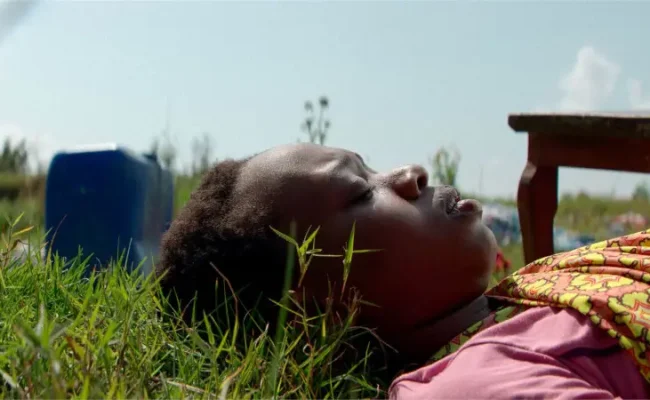
Film Africa 2026, the Royal African Society’s annual celebration of African cinema, takes place from 23 October to 1 November 2026 in London and across partner venues in the UK.
Now in its 14th edition, Film Africa has established itself as one of the UK’s leading platforms for African filmmaking, bringing audiences, filmmakers, industry professionals and cultural partners together to experience the extraordinary diversity and creativity of contemporary African cinema.
Film Africa matters because African cinema matters. Across the continent, filmmakers tell complex, ambitious, and often underrepresented stories about identity, history, migration, memory, gender, labour, politics, family, and belonging.
These films challenge stereotypes and expand our understanding of Africa beyond the familiar narratives that too often dominate international media. Film Africa provides a vital space for these voices to be seen, heard and discussed.
Championing African women filmmakers
A defining focus of Film Africa 2026 is the work of African women filmmakers. Women have always played an important role in African cinema, yet their contributions have frequently been marginalised within both national film histories and international cinema discourse.
This year’s programme seeks to address that imbalance by placing women filmmakers, producers, writers and other creative practitioners at the centre of the festival.
The Twende: African Women and Cinema symposium at BFI Southbank on 24 October brings together filmmakers, scholars, archivists and industry professionals to examine questions of authorship, representation, history, production, preservation and the future of African cinema.
The programme is not simply about celebrating women filmmakers; it is about reconsidering the histories and structures through which African cinema itself has been understood.
Connecting cinema, history and memory
Film Africa also recognises cinema as an essential form of cultural memory and historical preservation. Films can recover forgotten histories, preserve endangered narratives and give new generations access to experiences that might otherwise disappear.
This is particularly important in the African context, where significant parts of the continent’s cinematic heritage remain vulnerable to loss, inadequate preservation and limited international circulation.
The festival’s programme therefore creates connections between pioneering filmmakers and a new generation of African voices. The conversation with Tunisian filmmaker Ferid Boughedir, for example, provides an opportunity to reflect on African cinema, memory and the political and cultural circumstances in which filmmakers have worked.
Creating pathways for filmmakers
Film Africa is more than a festival of screenings. It creates opportunities for filmmakers to meet audiences, engage with critics and programmers, build international relationships and develop new professional networks.
Bringing African filmmakers to the UK allows their work to be encountered directly, while creating possibilities for future partnerships, distribution, exhibition and collaboration.
The festival also plays an important role in connecting African cinema with the wider international film ecosystem. By presenting films that may otherwise have limited theatrical or cultural exposure in the UK, Film Africa contributes to a more diverse and genuinely international film culture.
A further highlight of Film Africa 2026 is the symposium on Sustainable Finance, Intellectual Property and Digital Technology for the Future of African Cinema, which addresses some of the most pressing opportunities and challenges facing the continent’s film industry.
Bringing together filmmakers, investors, financial institutions, technology leaders, distributors and policymakers, the symposium will explore innovative financing models, the protection and commercialisation of intellectual property, and the transformative potential of digital technologies, including artificial intelligence and global streaming platforms.
At its heart is the recognition that Africa’s extraordinary creative talent must be matched by the financial infrastructure, investment, technological capabilities and distribution networks necessary to build a commercially viable and globally competitive film industry.

Building audiences for African cinema
At its heart, Film Africa is about audiences. The festival invites both African and non-African audiences to encounter films that can entertain, challenge, move and provoke discussion. Through screenings, filmmaker Q&As, conversations, masterclasses and industry events, cinema becomes a meeting point between different generations, cultures and experiences.
The festival’s expansion beyond its central London venues into partner cinemas and cultural spaces across the UK is particularly important. It allows African cinema to reach new audiences and demonstrates that interest in African stories extends far beyond London’s African communities.
A platform with international significance
Film Africa has developed over more than a decade into an important cultural bridge between Africa, Britain and the wider international film world. Its value lies not only in the number of films screened, but in the conversations it generates, the filmmakers it introduces, the histories it preserves and the relationships it builds.
Film Africa 2026 is therefore both a celebration and an intervention: a celebration of the extraordinary creativity of African filmmakers, and an intervention into the continuing need for greater visibility, diversity and equity within international cinema.
At a time when the global film landscape is becoming increasingly interconnected, Film Africa provides a vital platform for African filmmakers to tell their own stories, on their own terms, to audiences in the UK and beyond.
Film Africa is important because it does not simply bring African films to Britain. It brings African perspectives, histories, imaginations and voices into the centre of the conversation about world cinema.
Crédito: Link de origem