

When Class One Went to Cuba: 1995 Montecristo Cup
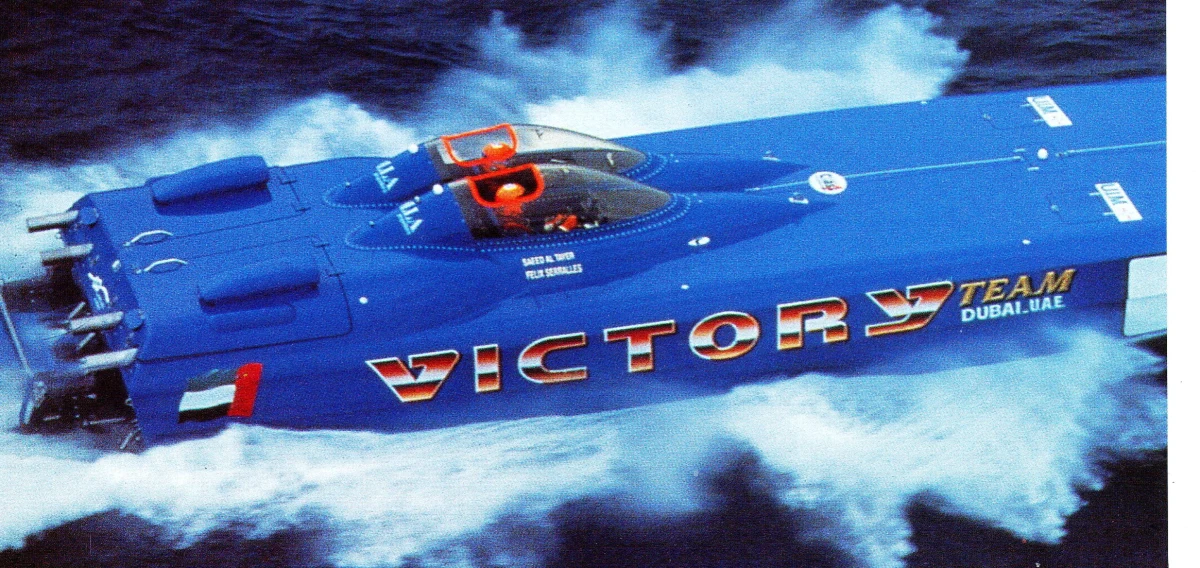
For thirty years the American embargo had kept US citizens out of Havana. In April 1995, three of them arrived by powerboat.
Randy Scism, Felix Serralles and Ed Colyer were part of the UAE’s Victory Team, and their presence at the opening round of the 1995 UIM Class 1 World Offshore Championship turned a routine season-opener into something else entirely. Mauro Ravenna, the championship’s organiser, had floated Cuba as a venue the previous summer. Nobody quite believed he was serious.
A Season in Doubt
The winter before the race did nothing to settle nerves. A rival Coca-Cola-backed offer dangled two Florida rounds instead. Italian government restrictions on advertising money thinned the boat count. Guernsey withdrew as a British venue and Dundee never confirmed. Richard Ridout, the UIM’s senior vice president, resigned after being cleared of fraud allegations, taking his experienced Guernsey officiating team with him in support.
Against that backdrop, Ravenna’s SPEC organisation kept negotiating with the Cuban Cigar Company, and Montecristo signed on as title sponsor. Thirteen boats made it to the start line, a fraction of the twenty-eight that had raced when the series launched three years earlier.
A Crowd Like No Other
What Havana lacked in fleet size, it made up for in crowd. Testing alone drew thousands to the Malecon, the seafront boulevard that doubled as the course boundary.
The boat parade, planned to run 45 minutes, took nearly two hours to push through crowds estimated at up to a million people.
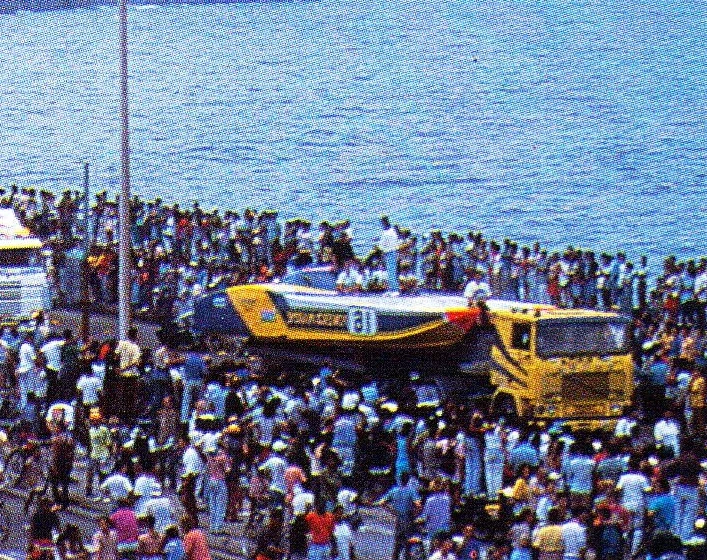
On race day itself, Cuban police put the number watching from the shoreline at 1.8 million, with live television beamed to Dubai. Even allowing for exaggeration, it was a crowd offshore racing had rarely seen.
Pole and the Front Row
The event introduced a new wrinkle to pole qualifying, giving every boat two runs at the timed lap rather than one. Luca Ferrari and Vincenzo Polli took it in Ferretti-Montecristo, the reigning championship boat, at 106.08 knots, just a third of a second clear of Domenico Achilli’s aluminium CUV. Corbelli and Diridoni’s diesel-powered Power Marine completed the front row.
Victory Uncontested
Race day belonged to Victory 2. Felix Serralles and Saeed Al Tayer, runners-up in the championship the year before, had reportedly topped 140mph testing the new boat in Dubai before it was shipped out to Cuba. From the green flag they simply left. By two laps from home their lead over the chasing pack had stretched to 86 seconds, and Serralles eased off the throttle for the run to the flag.
Behind them, Lamberto Leoni and Eduardo Polli held off a determined Jolly Motors challenge from Jacopo Carrain and Francesco Pansini to take second in Bilba Cadey, despite a navigational error on lap four that nearly cost them the place.
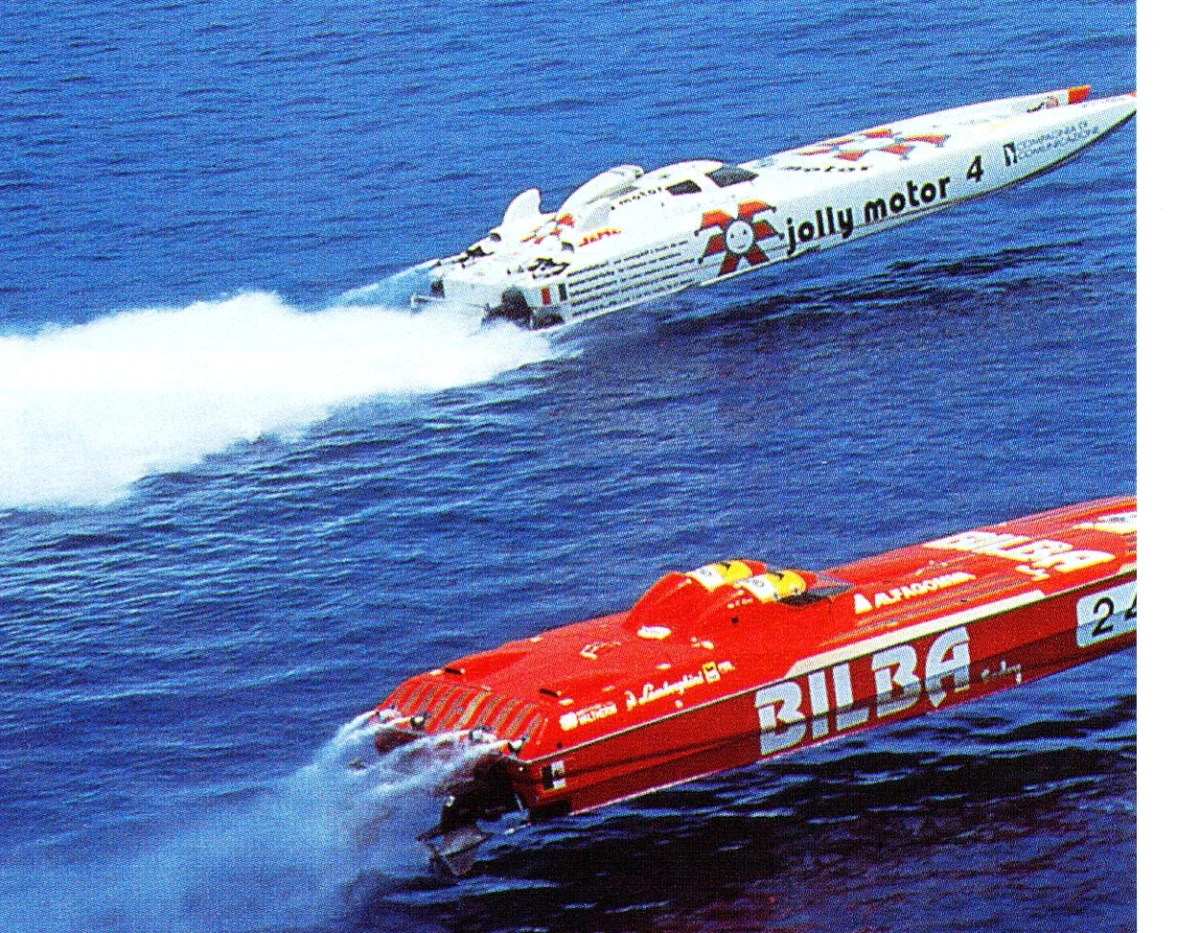
Victory 7, with Randy Scism and Hamed Buhaleeba aboard, came home fourth. The defending champions, Ferrari and Polli, retired with engine trouble. Renato Luglio’s Agrati went over in a steering incident, the only real drama of the race; neither driver was hurt.
Victory 2’s win opened their points account with 30, ahead of Bilba on 18 and Jolly Motors on 12.
The Castro Podium
The closing act belonged to Fidel Castro. He arrived at the podium under heavy security to present the Montecristo Cup himself, then stayed to talk with the winning crews and the international press.
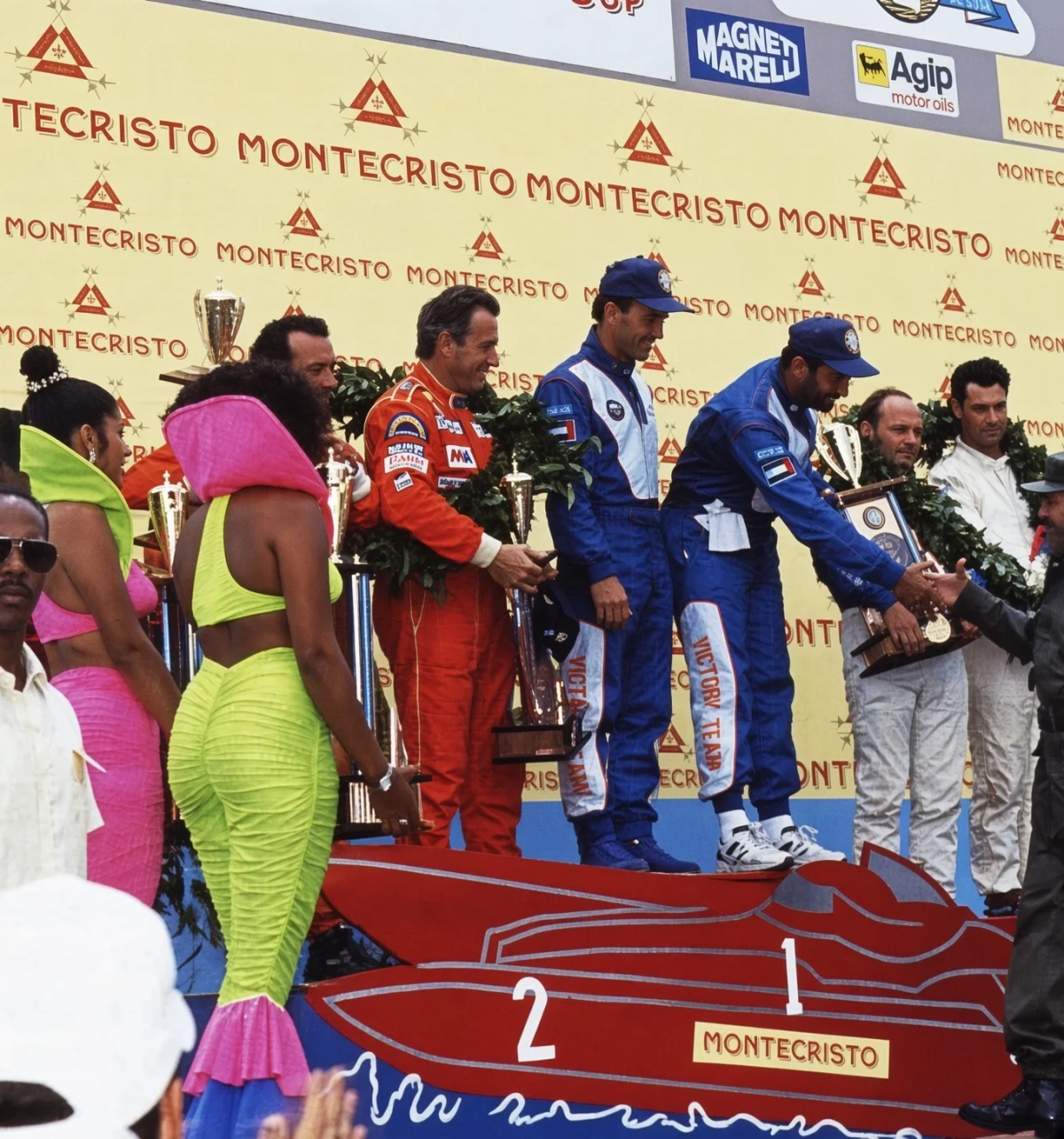
Derek Lloyd, reporting from Havana, was in no doubt about what the race had achieved.
Derek Lloyd, Cuba Report
I must admit that I have not always agreed with Mauro Ravenna, but this time he and the Cuban people have created a winner, and I am sure if the event is repeated no one who was there would miss it for the world.
The 1995 calendar moved on from Havana to Saint Tropez, Sanremo, Agrigento, Arendal, Ostend and twice to Dubai. None of those rounds drew a crowd like Cuba’s.