

What we know about the 2 billion-dinar fraud uncovered in Iraq’s Diyala province
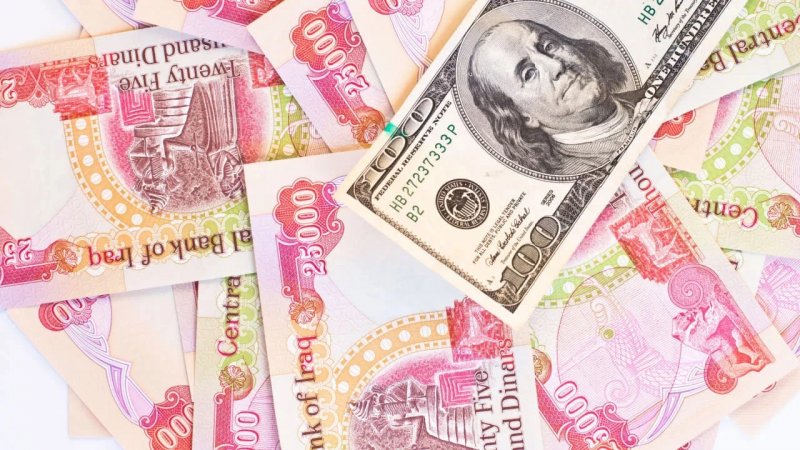
Iraqi authorities have uncovered an alleged fraud scheme involving more than 2 billion Iraqi dinars in the eastern province of Diyala, marking the latest high-profile corruption case to emerge as the country intensifies efforts to strengthen financial oversight and combat economic crimes.
The case has attracted national attention not only because of the size of the suspected fraud but also because it highlights the challenges Iraq continues to face in improving transparency, protecting public funds, and restoring confidence in state institutions, News.az reports.
As investigators work to determine how the scheme operated and who was involved, the scandal is raising broader questions about financial accountability across the country.
What happened in Diyala?
According to Iraqi authorities, investigators uncovered a suspected fraud operation involving more than 2 billion Iraqi dinars. The alleged scheme reportedly involved financial irregularities that resulted in significant losses and prompted an official investigation.
While authorities have not publicly disclosed every detail of the case, officials say evidence gathered during the investigation pointed to fraudulent activities that may have involved the misuse of public funds, forged documents, or unlawful financial transactions.
The case is now being handled through legal channels as investigators seek to identify all individuals connected to the alleged operation.
Why is the case significant?
The amount involved makes the case one of the more notable fraud investigations reported in Iraq in recent months.
Although Iraq has launched numerous anti-corruption initiatives over the years, large-scale financial crimes continue to pose challenges for government institutions. Cases involving billions of dinars often attract public scrutiny because they raise concerns about oversight mechanisms and the effectiveness of existing safeguards.
The Diyala case is significant because it demonstrates both the persistence of corruption risks and the increasing willingness of authorities to investigate and expose suspected wrongdoing.
How much is 2 billion Iraqi dinars?
Two billion Iraqi dinars represents a substantial sum of money in Iraq’s public sector context.
Such an amount could finance infrastructure projects, public services, educational initiatives, healthcare programs, or local development efforts. Allegations involving losses on this scale inevitably raise concerns about the impact on communities and government budgets.
For many Iraqis, cases involving large amounts of public money are viewed through the lens of broader economic challenges, including unemployment, infrastructure needs, and public service delivery.
How was the fraud uncovered?
Authorities have indicated that the case emerged through investigative efforts aimed at detecting financial irregularities.
Fraud investigations often begin after audits, complaints, internal reviews, or discrepancies identified in financial records. Modern anti-corruption efforts increasingly rely on data analysis, electronic record tracking, and cooperation between oversight agencies.
While details remain limited, officials say the evidence collected was sufficient to launch formal legal proceedings and pursue those suspected of involvement.
Who is being investigated?
Authorities have not yet disclosed the identities of all individuals connected to the case.
Investigations of this nature typically seek to determine whether government employees, contractors, private individuals, or organized networks played a role in the alleged fraud.
As legal proceedings continue, officials are expected to examine financial transactions, documentation, and communications to establish responsibility.
The final outcome will depend on the evidence presented and the findings of the courts.
What does this mean for Iraq’s anti-corruption efforts?
The Diyala case comes as Iraq continues efforts to strengthen anti-corruption measures and improve governance.
Corruption has long been identified as one of the country’s most serious challenges. Successive governments have pledged reforms aimed at increasing transparency, enhancing accountability, and improving oversight of public spending.
Supporters of these reforms argue that exposing major fraud cases demonstrates progress in identifying financial crimes and holding those responsible accountable.
Critics, however, often stress that long-term success depends not only on investigations but also on successful prosecutions and systemic reforms that prevent similar schemes from occurring in the future.
Could more cases emerge?
Large investigations sometimes uncover additional irregularities or lead authorities to examine related transactions.
Financial crimes frequently involve multiple individuals, institutions, or linked activities. As investigators analyze records connected to the Diyala case, additional findings could emerge.
For this reason, authorities are expected to continue reviewing financial documents and conducting interviews as part of the broader investigation.
What happens next?
The next phase of the case will likely focus on legal proceedings, evidence collection, and efforts to recover any lost funds.
Investigators will seek to determine the full scope of the alleged fraud, identify all parties involved, and establish how the scheme operated. Prosecutors may then pursue charges against individuals found responsible.
At the same time, government agencies may review existing oversight procedures to identify weaknesses that allowed the alleged fraud to occur.
Why does the case matter beyond Diyala?
While the alleged fraud occurred in Diyala province, its implications extend across Iraq.
Cases involving public funds often become symbols of wider governance challenges and influence public perceptions of government accountability. Successful investigations can strengthen confidence in institutions, while failures to secure accountability can deepen public skepticism.
As Iraq seeks to attract investment, diversify its economy, and improve public services, transparency and financial integrity remain critical priorities.
The Diyala fraud investigation therefore represents more than a local legal case. It is also a test of Iraq’s broader efforts to combat corruption, protect public resources, and demonstrate that financial crimes will face scrutiny under the law.
The bottom line
The exposure of an alleged 2 billion-dinar fraud scheme in Diyala marks another significant chapter in Iraq’s ongoing fight against corruption. Although many questions remain unanswered, the investigation highlights the importance of financial oversight, accountability, and transparency in public administration.
As authorities continue their work, the case will be closely watched by citizens, policymakers, and international observers seeking to assess Iraq’s progress in tackling economic crimes and strengthening confidence in state institutions.