

What new U.S.-Canada tariffs could mean for North Carolina :: WRAL.com
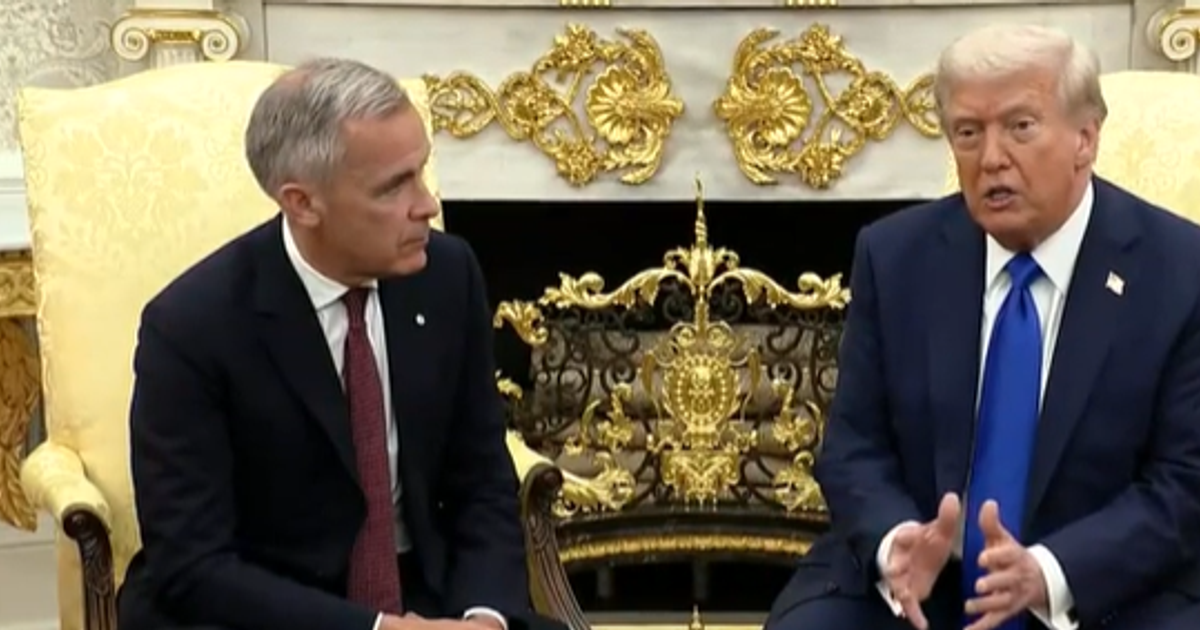
North Carolina farmers, manufacturers and consumers could soon feel the effects of a trade war between the United States and Canada.
The United States imposed a 50% tariff Saturday on about $20 billion worth of Canadian goods, including items like liquor, plywood and clothing. The affected goods account for about 5% of Canada’s exports to the United States.
In response, Canadian Prime Minister Mark Carney said Canada would match the new U.S. tariffs dollar-for-dollar starting Sept. 8.
“Countries impose a tariff in order to try to make foreign products more expensive and thereby allowing people, or motivating people in their country to buy those products here,” N.C. State Economist Mike Walden said.
Although tariffs are imposed on goods from another country, the company importing those goods initially pays the added cost, according to the Council on Foreign Relations. Importers can take on some of that cost or pass it along to consumers.
For example, if the United States imposes a 50% tariff on Canadian products, like lumber, the American company importing that lumber pays the tariff. The company may then charge customers more, in order to protect its profits, Walden said.
“The purpose is to try to get people to buy American products, and that will tend to happen, but they’re still paying a higher price,” Walden said.
Canada’s retaliatory tariffs would work the same way. Canadian companies importing American goods would pay the tariffs and could pass some of the cost on to Canadian consumers.
“In the short run, it’s not good for U.S. consumers and North Carolina consumers who are buying some Canadian products, and it’s not good for North Carolina producers who are selling things to Canada,” Walden said.
Canada is North Carolina’s largest export market. In 2025, the state exported $8.6 billion in goods to Canada, accounting for 20% of the state’s total goods exports, according to 2025 data from the Office of the United States Trade Representative.
Carney said Canada’s tariffs would target American agricultural equipment and manufacturing products and electronics. That could make some North Carolina products less competitive in the Canadian market, potentially reducing sales.
“They want to put pressure on us, and they want to pick out industries that are very popular and very important,” Walden said.
Canada is expected to release a full list of tariffed products in the coming days, so the full impact on North Carolina isn’t clear yet.
“It’s a lose-lose situation… It’s a lose for, in this case, the U.S., and it’s a lose for Canada,” Walden said.