

What life is really like inside Iran
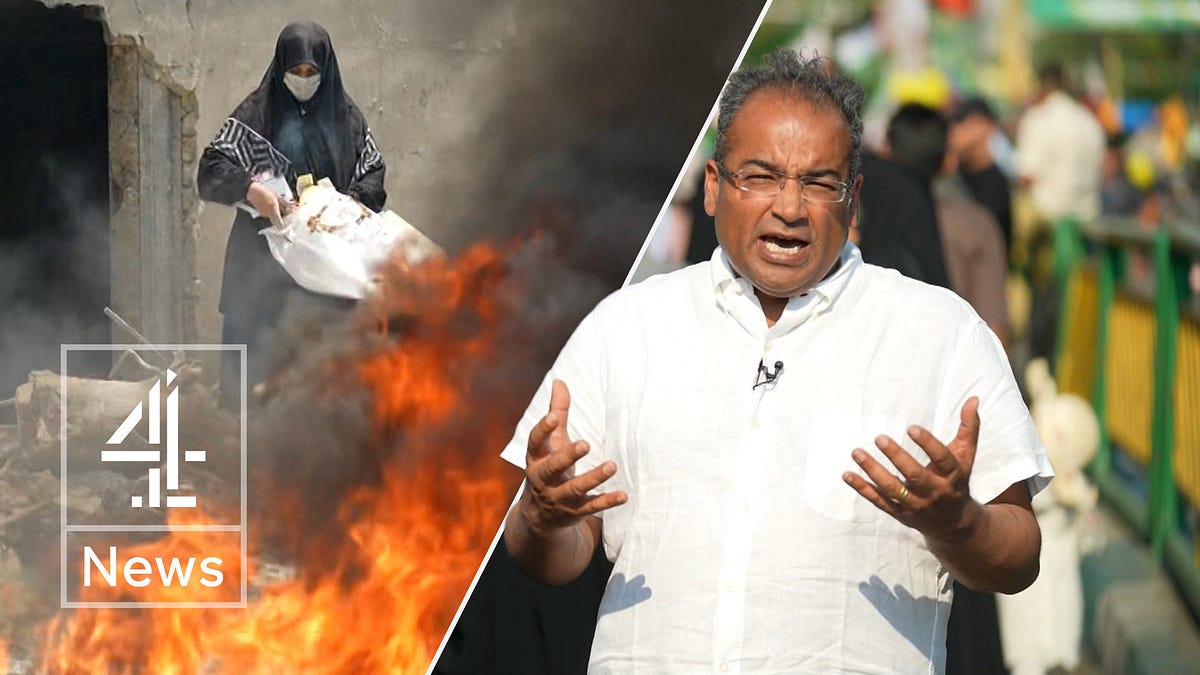
In the coffee shops of affluent areas in Tehran, there are moments you wouldn’t think you were in Iran.
As you sip an iced Matcha at an elegant table, ordered by QR code and brought by a young man wearing a football shirt, the young women on the tables around you are wearing tied t-shirts showing their midriffs, jeans and not a headscarf to be seen.
A man wearing expensive sunglasses, in his 20s or 30s, approaches me to say: “Hi, are you the guy from Channel 4 News?”.
It turns out he and his friends are regular viewers on YouTube, they enjoy our interview style, he says, and they’re happy to exchange views. Just not on camera.
One of them was arrested for having a party with alcohol some time ago and none of them is keen to revisit jail for saying or doing something the state disapproves of.
You’re reading the latest edition of FourGround, a bespoke newsletter brought to you by Channel 4 News’ experienced journalists reporting on the ground from locations across the world.

“I love my country and I hated to see it attacked,” one said.
“I was glad that we hit back. But at the same time, I don’t want to support the IRGC (Islamic Revolutionary Guard Corps). We want change.”
I ask if they think change will come. None is very optimistic, saying if the Iranian government has survived three months of war, the killing of the Supreme Leader and his top team, and rebuilt itself to some extent, they are only going to get stronger.
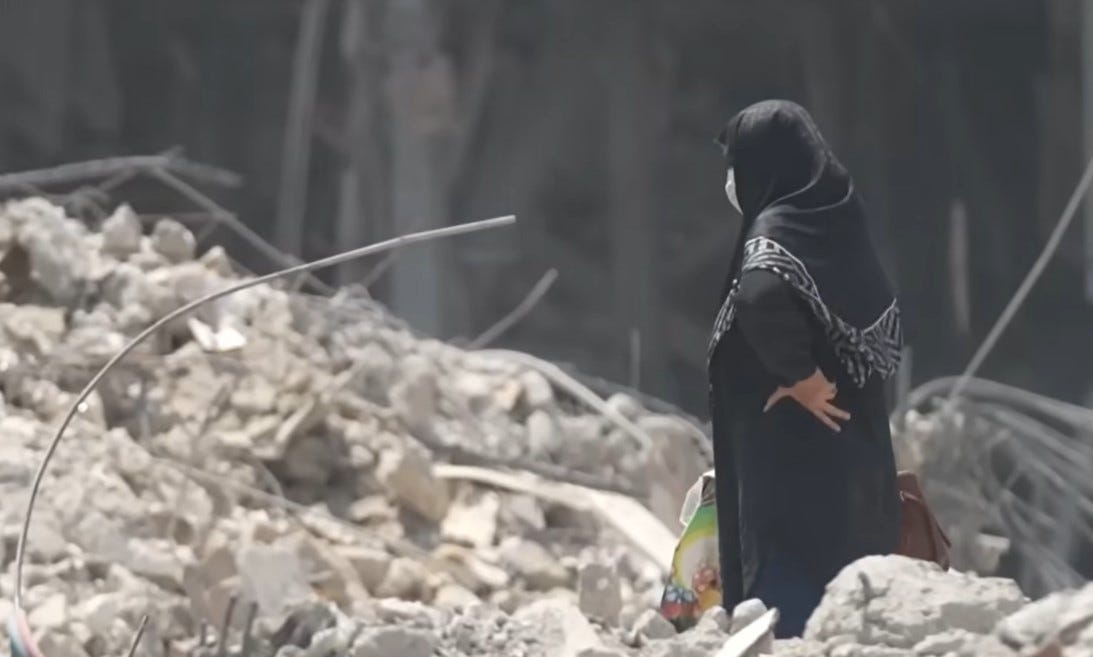
“They have worked out how to hit back, in the Strait of Hormuz and the Gulf states. I don’t think much is going to change soon,” says another.
We are here for seven days and it is a head-spinning, relentless and adrenaline-fuelled task trying to gather what we can from as many sources of information as we can – official, unofficial, loyal and sceptical.
We are told where to stay, we assume the walls have ears, we are followed around when we go filming and accompanied by an approved Iranian media team. We must get permission before going anywhere to film.
So it is a tightly-controlled environment, but Iranians are well used to negotiating the boundaries of the Islamic Republic and communicating with nuance. Sometimes it feels like deliberate ambiguity.
A man I meet blames “crazy bastards” for the war, but there’s an ambiguity around whether he means Trump and Netanyahu or the people running Iran. Perhaps he means all of them.

We have already met many who are loyal to the authorities. Yesterday the streets were full of them, as it was a double celebration in Tehran. There were events marking the death of the first Supreme Leader who ushered in the Islamic Revolution, and celebrating Imam Ali, who Shia Muslims believe was appointed the first successor to the Prophet in the 7th century.
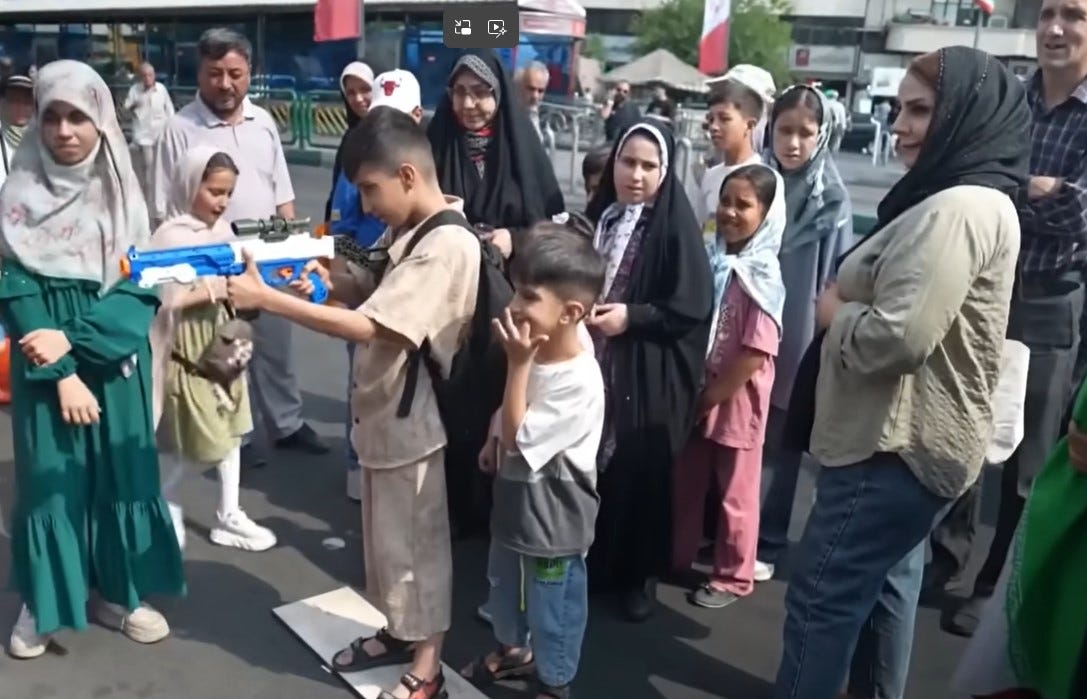
There was a festival in the streets, with some of the most extraordinary stalls I’ve seen in a long time. Children fired foam darts from toy rifles at targets bearing the faces of Trump and Netanyahu. Trump was by far the most popular face to fire at.
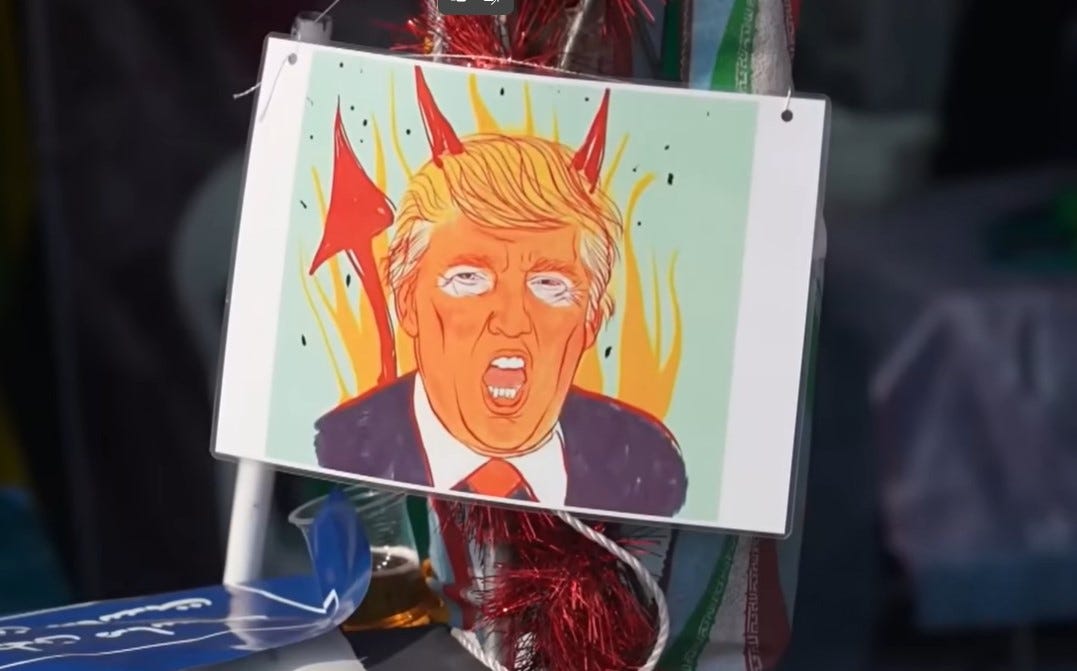
They played hopscotch on similar images a few yards away, with the faces of those they enjoy jumping on also including the Argentinian footballer Lionel Messi, who they say they are convinced is a great supporter of Israel.
There is a fervour in some of those who come up to talk, to express their love of country and their hatred of the enemy. It reminds you of the most fired up MAGA supporters in America.
There is little point challenging anything they say, they’ve got their talking points well rehearsed and they want the world to hear them. “Iran is all united,” they insist.
A university professor talks to us next to an extraordinary mock-up of a wedding altar with a Shahed drone at the centre. We’ve just watched a woman kiss the drone.
I ask the professor whether people really feel like celebrating at this time. He tells me, yes, explaining they are sad for their losses and the friends who have been killed, but they also feel happy.
When we stop at a shop to buy some cold drinks, the shopkeeper explains that while prices have gone up, people are still buying what they can and there are no real shortages. Eggs have tripled in price in three months, and milk more than doubled. But there are people coming through his doors as we speak and leaving with their essentials.
Inflation was high before the war, but is higher still now. Even petrol for domestic cars is rationed, despite Iran being an oil producer. Damage to refineries and the fact much petrol is imported has all affected availability.
The shopkeeper tells me Iran will cope. With piles of Starbucks coffee pods on one side of him and packets of Winston cigarettes on the other, you wonder how far people would really have to travel to have a meeting of minds between Iran and America.
Many of our interviewees are academics. Some are well connected into the government, like Professor Mohammad Marandi, pictured below, who was an adviser to the nuclear deal team in 2015. He insists Iran is giving no ground, will demand sanctions relief, unfreezing of assets and a proper end to Israel’s military campaign in Lebanon before agreeing to a deal.
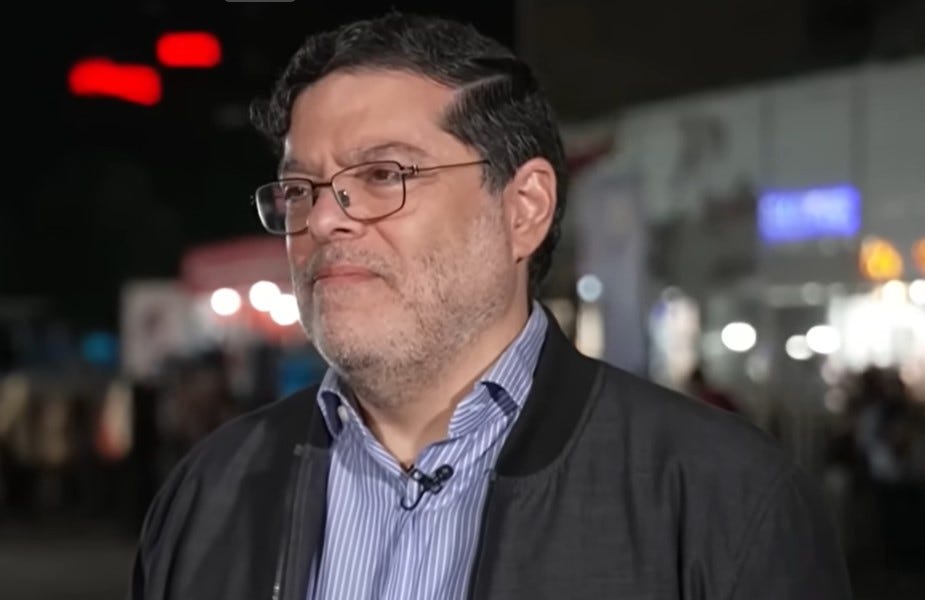
He insists Iran is winning, and that the Americans and Israelis will regret starting this war many times over.
Mr Marandi always chastises me for suggesting Iran is divided over political change, arguing this is exaggerated by the western media and politicians. Others are famously, and riskily, prepared to contradict the official line.
Sadegh Zibakalam, pictured below, has been giving interviews to Channel 4 News for decades. He is a professor of political science in Tehran, but has been jailed for his words in the past. He had a very different analysis as we sat down for an episode of our podcast, The Fourcast.
He said he believes the killing of the Supreme Leader Khamenei has changed the landscape massively, and his son, who is now in charge, may technically have the authority but does not have the status that took his father years to achieve.
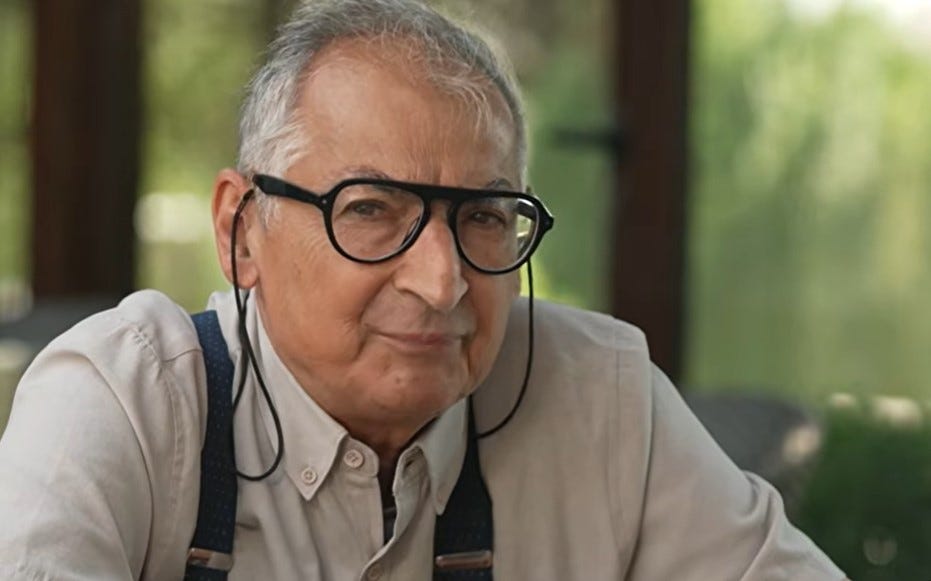
Mr Zibakalam argues there are many secret reformers amongst the IRGC, including the man leading negotiations, Mohammed Bagher Ghalibaf.
His advice to Trump is to give the reformers what they want in the negotiations, or they will be defeated and replaced by the hardliners in Iran.
“Only revolution is fast. Democracy takes time.”
The Islamic Revolution cannot be overthrown the way Trump and Netanyahu dreamed at the beginning, he argues, but reform will come, slowly.
“It will take years”, he says.
“Only revolution is fast. Democracy takes time”.
Will those who want change, and who went onto the streets before the war, accept that kind of wait?
Zibakalam says they have no choice. Which of these professors is right?
Could there be something in what both of them say? It would be foolish to come down firmly on one side or another.