
US court overturns Trump’s immigrant visa ban on South Sudan, 25 other African nations
Author: Koang Pal Chang | Published: 6 hours ago

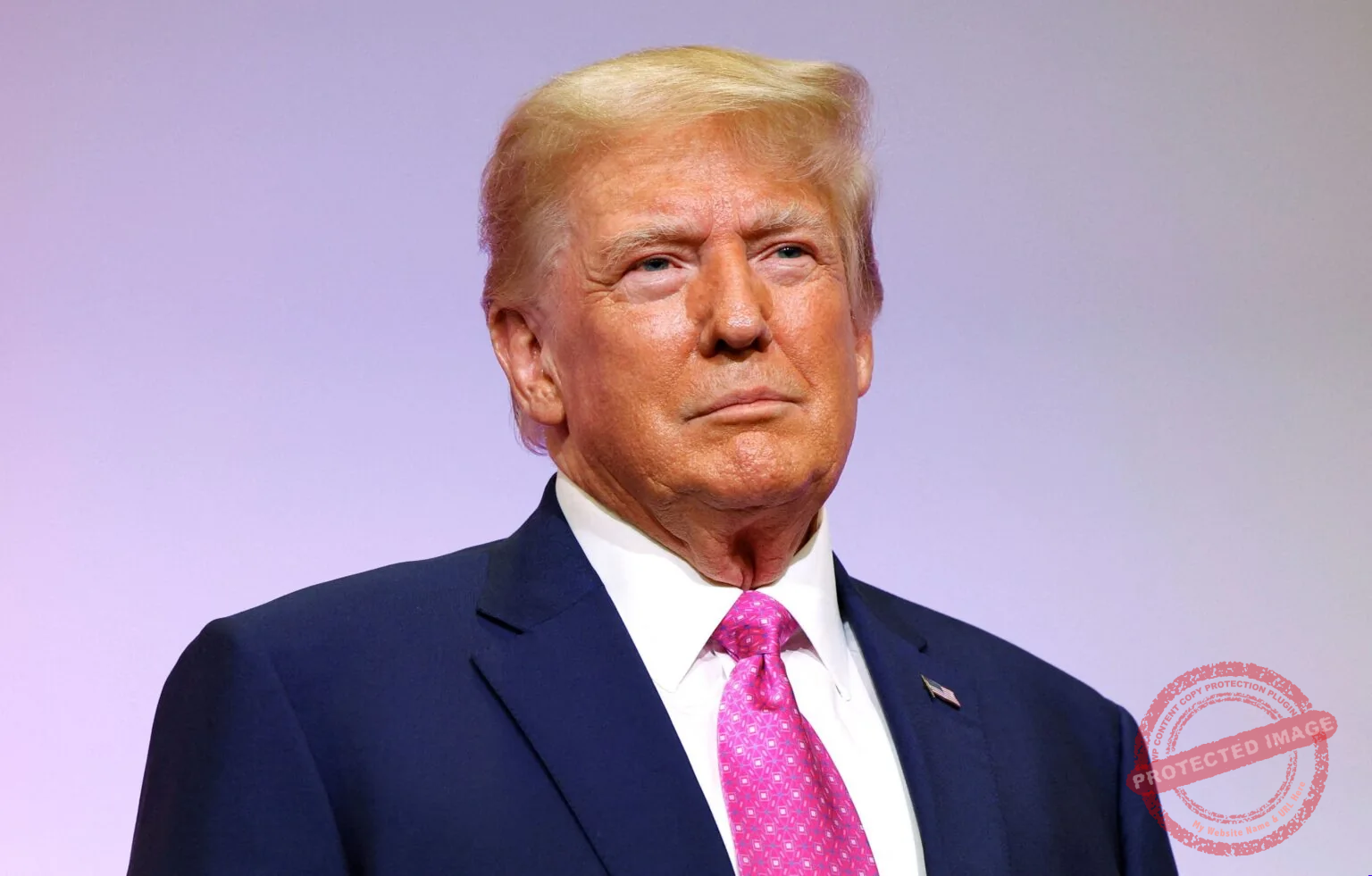
Donald Trump, President of the United States. Pic Handout.
A United States federal judge has ruled against the Trump administration’s decision to pause the issuance of immigrant visas to applicants from 75 countries, including South Sudan and 25 other African Countries, finding the policy unlawful and beyond the legal authority of Secretary of State Marco Rubio.
U.S. District Judge Jeannette Vargas issued the ruling on Friday in a 61-page decision, concluding that the visa policy was “contrary to law” and exceeded the authority granted to the Secretary of State.
The policy, announced by the Trump administration in January, was part of efforts to restrict immigration amid concerns that new arrivals could place additional pressure on U.S. social safety-net programs.
Judge Vargas noted that the policy affected nearly 40 percent of countries worldwide, including Egypt, Afghanistan, Somalia, Haiti, Iran, Brazil and Russia.
In her ruling, Vargas cited the Immigration and Nationality Act, which she said requires consular officers to conduct individualized assessments of visa applicants rather than make decisions based on nationality.
The judge said the policy improperly directed consular officers to deny visas to applicants who might otherwise be eligible.
Vargas also said U.S. immigration law gives consular officers authority over the visa review process, and concluded that Secretary Rubio had improperly overridden that discretion.
The National Immigration Law Center, which represented plaintiffs in the case, described the ruling as a significant victory and said it would continue seeking relief for people affected by the policy.
The ruling represents another legal setback for the Trump administration’s immigration policies. It follows a separate federal court decision in June that blocked the administration from stopping the processing of immigration applications from 39 countries.
The White House and the U.S. Justice Department had not immediately commented on the latest ruling.