

UNESCO and Cameroon expand digital support for basic education
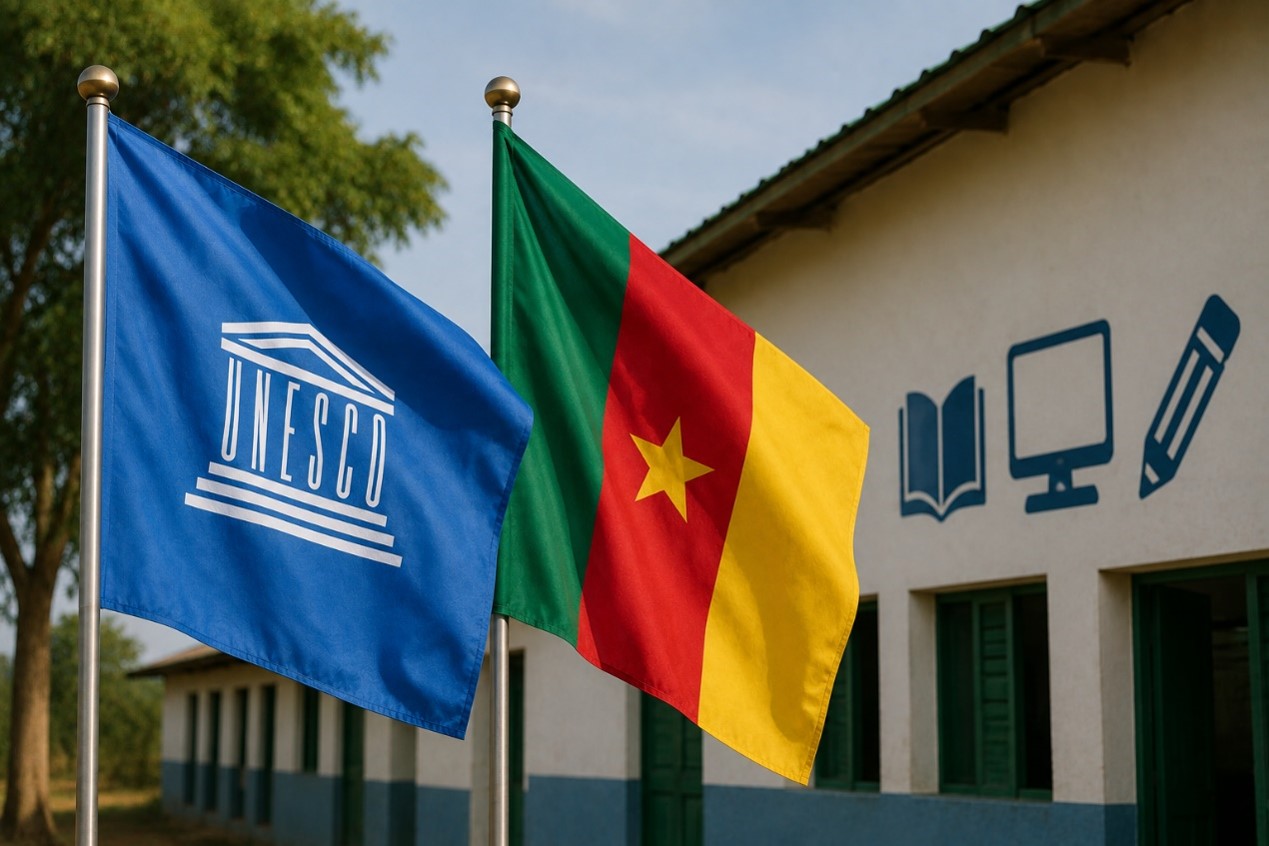
Cameroon is combining teacher development, digital learning tools and improved education data systems in a new UNESCO partnership.
UNESCO and the Government of Cameroon have signed an agreement to implement a new phase of the country’s Basic Education Support Project (PAEBC), with digital technologies and education data forming important parts of the programme.
The agreement, signed at UNESCO’s Regional Office for Central Africa in Yaoundé, provides €8 million in technical assistance over 36 months.
The initiative will strengthen the capacities of more than 50,000 teachers, supervisors and other education stakeholders. UNESCO will support the development of innovative educational resources, the integration of digital technologies into teaching and the modernisation of Cameroon’s assessment system.
The programme will also strengthen the country’s Education Management Information System, linking improvements in classroom education with better digital infrastructure for managing the education sector.
Digital tools will play a significant role in the implementation. Plans include developing Massive Open Online Courses (MOOCs), updating the Ministry of Basic Education’s WebGIS platform, connecting education databases and establishing dynamic dashboards.
These measures are intended to give education authorities more reliable information for planning and decision-making while expanding opportunities for digital learning and professional development.
The project is expected to benefit more than 153,000 learners. By combining teacher capacity development, digital education resources and data-driven management, UNESCO and Cameroon aim to improve teaching and learning while making basic education more inclusive, equitable and effective.
Why does it matter?
Digital transformation in education extends beyond putting technology in classrooms. Cameroon is simultaneously investing in teachers’ digital capacity, online learning resources and the data systems used to manage education. Connecting these elements could make digitalisation more useful for both learners and policymakers, while the scale of the programme means its impact could reach a significant part of the country’s basic education system.
Would you like to learn more about AI, tech and digital diplomacy? If so, ask our Diplo chatbot!
Credit: Source link