

UN envoy says disinformation fueling violence against UN staff, migrants in Libya
Merve Gül Aydoğan Ağlarcı
18 June 2026•Update: 18 June 2026
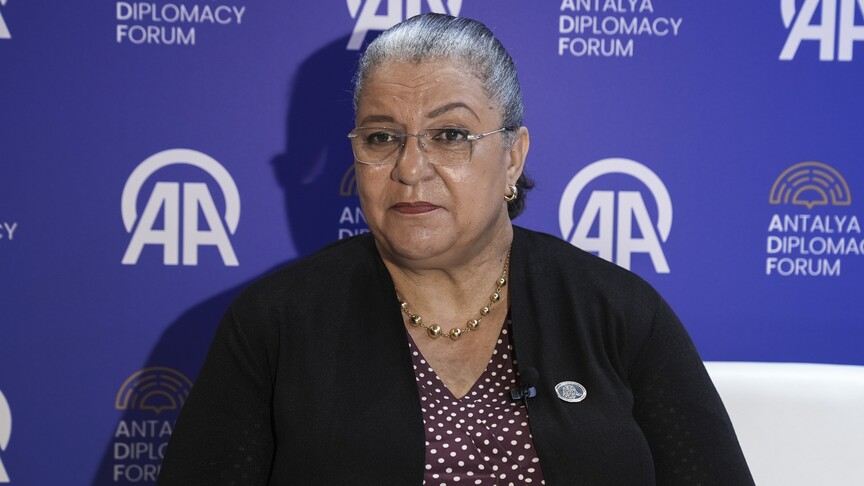
The UN’s special representative for Libya said Thursday that a surge in disinformation and hate speech targeting migrants, refugees and humanitarian workers is threatening the country’s “fragile” political progress.
Hanna Tetteh, who also heads the UN Support Mission in Libya (UNSMIL), told the Security Council that “while the political process has regained momentum, progress remains fragile. The opportunity before us must not be missed.”
She said false claims about UN intentions in Libya have stoked hostility and led to attacks on UN facilities.
“False and misleading claims – particularly allegations of UN plans to settle migrants or refugees in Libya – have contributed to a climate of hostility, threats, and violence against humanitarian workers and UN personnel, and have already provoked violence against UN premises, underscoring the real dangers posed by disinformation,” she said.
Tetteh stressed that “migration is a legitimate public concern but must be addressed on the basis of facts, not fear, and through responsible public discourse rather than inflammatory, false and provocative narratives.”
Strongly refuting the rumors driving the unrest, she stressed that “the country’s challenges cannot be addressed through fabrications and scapegoating.”
On the political track, Tetteh said the “Structured Dialogue,” which she launched Dec. 14, as part of the roadmap she presented to the Council in August, concluded June 7 after six months of talks among roughly 120 Libyans from diverse political, professional, social and geographic backgrounds.
“The Libyan people’s right to choose their representatives and institutions to enjoy democratic legitimacy should not remain indefinitely blocked by institutional paralysis,” she said.
Turning to the economy, Tetteh said that despite a temporary boost from global energy prices, Libya’s underlying problems persist.
“Higher global oil and gas prices have boosted revenues and provided short-term relief, but this should not obscure structural vulnerabilities,” she said, attributing recurring fuel shortages to smuggling networks.
“The primary driver of fuel shortages remains entrenched networks smuggling subsidized refined petroleum products out of the country to the disadvantage of the Libyan consumer,” she said.
She added that Libya stands at a crossroads, with the burden of progress resting first on Libyan actors, though international backing remains essential.
“Libya now has a clearer set of political options with a narrowing window in which to act,” she said.
Libya has remained politically divided for years between rival administrations in the east and west, while repeated efforts to organize nationwide elections have stalled amid disputes about the constitutional basis and candidate eligibility criteria.
Credit: Source link