
UMB Celebrates America at 250: Addition of Pharmacists Gives the Field of Medicine a Shot in the Arm

UMB Celebrates America at 250: Addition of Pharmacists Gives the Field of Medicine a Shot in the Arm
August 03, 2026
Founded in 1841, the School of Pharmacy helped turn a trade into a profession, shaped pharmacy education and practice in Maryland, and has extended its impact to the nation and the world.
This story is one in a series about the University of Maryland, Baltimore’s (UMB) contributions to U.S. history as the nation celebrates its 250th birthday this year. The stories will be featured on The Elm website/Elm Weekly newsletter in the coming months. The series can be read at the UMB Celebrates America at 250 website. Read a previous story about the School of Pharmacy’s impact on the FDA.
The University of Maryland School of Pharmacy (UMSOP) is a pioneering institution that not only transformed pharmacy education in Maryland but also helped establish standards that influenced the profession across the United States.
Founded in 1841 as the Maryland College of Pharmacy, UMSOP was the first pharmacy school in Maryland and the fourth oldest in the nation. Its creation came at a pivotal moment in American history. The United States was expanding westward, scientific discovery was accelerating, and communities increasingly recognized the need for trained health professionals to improve public health and patient care.
At the time, most pharmacists learned through apprenticeships with little formal instruction. Recognizing the need for a more rigorous and scientific approach, a group of visionary Maryland pharmacists established the Maryland College of Pharmacy to provide structured education and elevate the profession. Their efforts would help transform pharmacy from a trade into a recognized health profession grounded in science, ethics, and patient care.
Baltimore Beginnings
The school’s beginnings were humble. In 1841, six students gathered in a room on Gay Street in Baltimore to attend the first classes. One year later, in 1842, the institution awarded its first diplomas, marking the beginning of a legacy that continues today, nearly two centuries later.
As the nation grew, so did the influence of the Maryland College of Pharmacy. During the 19th century, the school became a leader in efforts to professionalize pharmacy education. One of its most significant contributions came in 1870, when the college convened pharmacy educators from across the country to discuss the need for consistent educational standards. That meeting helped lay the foundation for what would eventually become the American Association of Colleges of Pharmacy, an organization that continues to shape pharmacy education nationwide today.
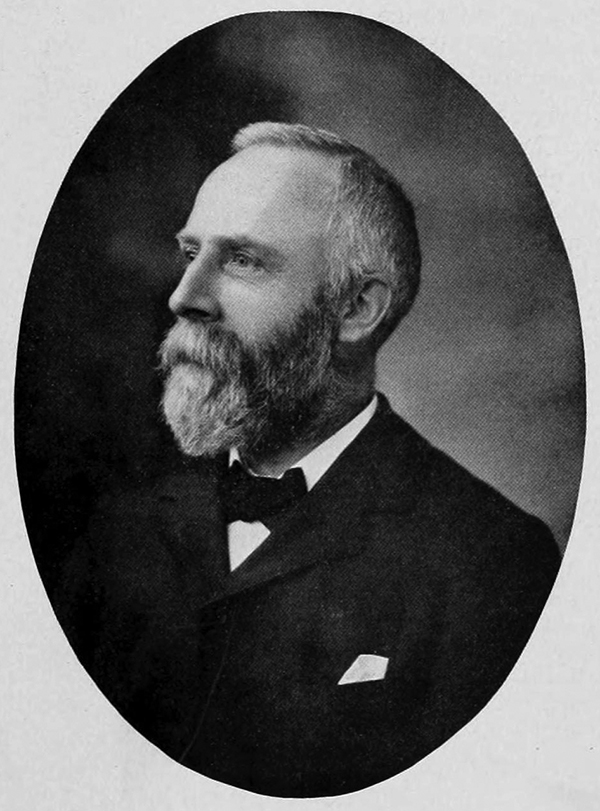

Charles Caspari (far right) was dean of the School of Pharmacy from 1904, when the college joined the University of Maryland as the Department of Pharmacy, until his death in 1917. Before 1904, the school was called the Maryland College of Pharmacy.
This commitment to leadership and collaboration reflected the broader spirit of innovation that characterized the United States during the post-Civil War era. As industries expanded and scientific discoveries accelerated, the Maryland College of Pharmacy helped ensure that pharmacists were prepared to meet the evolving health needs of a growing nation.
Another major milestone occurred in 1887, when the Maryland College of Pharmacy became part of the University of Maryland. The move strengthened connections among pharmacy, medicine, dentistry, and other health professions, creating new opportunities for collaboration and interdisciplinary learning. In 1904, the school was formally reorganized as the Department of Pharmacy within the University of Maryland, helping establish the integrated academic health sciences environment that remains a defining characteristic of the University of Maryland, Baltimore.
Throughout the 20th century, UMSOP evolved alongside advances in medicine and science. As pharmacists assumed increasingly important roles in patient care, the curriculum expanded to include pharmacology, medicinal chemistry, therapeutics, and clinical practice. Graduates moved beyond preparing and dispensing medications to become essential members of health care teams, helping patients manage chronic diseases, improve medication adherence, and achieve better health outcomes.
Expanding Its Impact
The school also emerged as a leader in pharmaceutical research. Faculty members contributed to advances in drug discovery, medication safety, health outcomes research, and precision medicine. Their work has informed public policy, improved patient care, and helped address some of society’s most pressing health challenges.
Today, UMSOP is recognized as one of the nation’s premier pharmacy schools. Its students, faculty, alumni, and researchers continue to advance health care through education, innovation, service, and discovery. Graduates serve in hospitals, community pharmacies, government agencies, research institutions, and health care organizations throughout Maryland and across the country.
The school’s impact extends far beyond the classroom. Through partnerships with health systems, community organizations, policymakers, and industry leaders, it works to improve medication access, address health disparities, combat substance use disorders, and advance personalized medicine. These efforts reflect the school’s enduring commitment to serving the public and improving the health of communities.
As America celebrates the 250th anniversary of its independence, UMSOP’s story illustrates how higher education can shape an entire profession and, in turn, improve the lives of millions. What began in 1841 with six students in a small Baltimore classroom grew into an institution that helped establish national standards for pharmacy education and continues to influence the future of health care.
For 185 years, the School of Pharmacy has embodied the values of innovation, service, and discovery that have helped define the American experience. As the nation looks toward its next 250 years, the school remains committed to educating future leaders, advancing scientific knowledge, and improving health for people in Maryland, across the United States, and around the world.
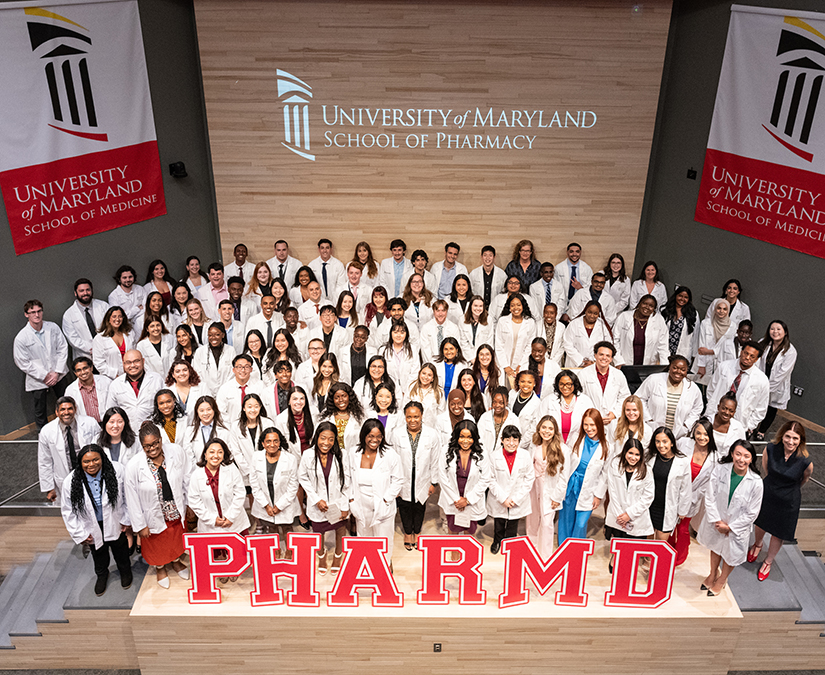
Members of the School of Pharmacy’s Doctor of Pharmacy (PharmD) Class of 2028 received their white coats in a ceremony in September 2024, joining a long line of student pharmacists who entered the clinical care phase of their postgraduate education at the start of the third year. (Photo by Matthew D’Agostino)