

Uganda’s confirmed Ebola cases rise to 9: health ministry
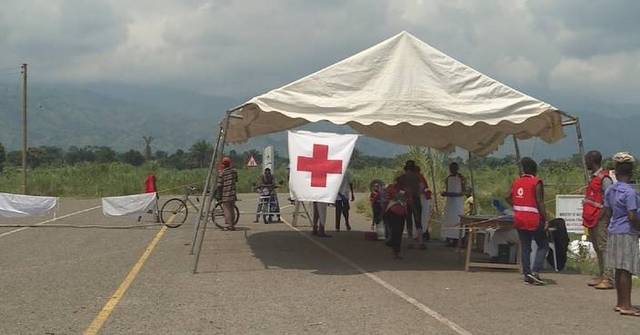
Uganda’s confirmed Ebola cases have risen to nine after two new infections were detected in the capital Kampala, the Ministry of Health said on Friday.
In a statement, the ministry said the two newly confirmed cases are Congolese nationals, bringing the cumulative number of confirmed cases in the East African country to nine, including one death.
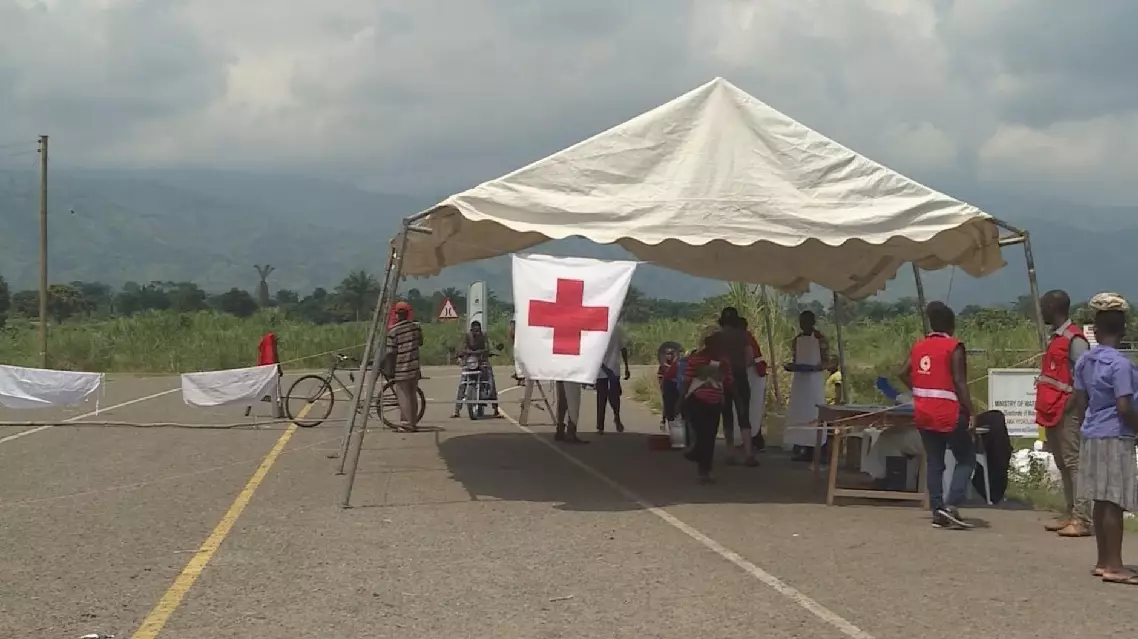
Health teams are now closely monitoring everyone believed to have come into contact with patients, while surveillance has been intensified in Kampala and at key border crossings.
Authorities are trying to stay ahead of the outbreak as neighboring DR Congo continues to report rising infections.
Uganda has closed its official border with the DRC, but risks remain that infections could spread through other porous border points.
Regional agencies are warning that limited funding and the constant movement of people are making the outbreak harder to contain.
There is also concern over the strain involved. Unlike some previous Ebola outbreaks, the Bundibugyo type of the virus currently has no widely-approved vaccine, making early detection and quick isolation especially important.
For now, Ugandan authorities say contact tracing is ongoing, public alerts remain in place, and they are calling on people to report symptoms early and seek medical help quickly.
Uganda declared its latest Ebola outbreak on May 15 after confirming an imported case involving a Congolese national who had traveled from eastern DRC, the epicenter of the current regional outbreak, to seek treatment in Uganda.
Uganda’s confirmed Ebola cases rise to 9: health ministry
Uganda’s confirmed Ebola cases rise to 9: health ministry
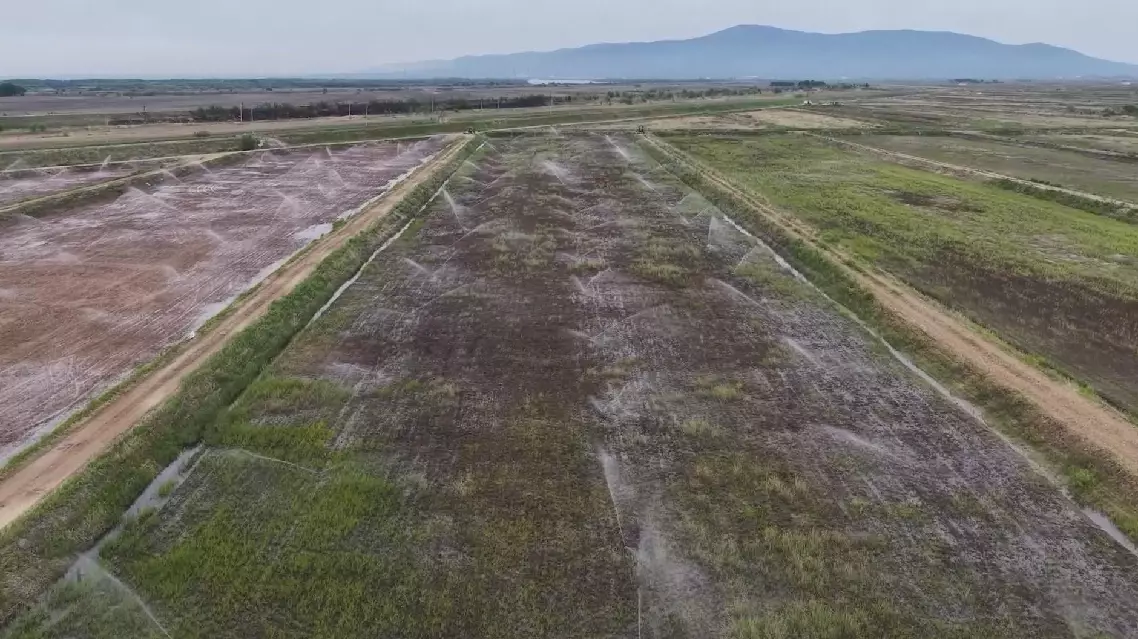
Space-bred cranberry seedlings, carried into space aboard multiple missions and nurtured through two years of greenhouse breeding and acclimatization, have begun field transplantation at a plantation in northeast China.
The seedlings were carried into space aboard China’s Shenzhou-14, Shenzhou-16 and Shijian-19 missions. After returning to Earth, they underwent a rigorous two-year period of greenhouse breeding and acclimatization before being transferred to open fields for large-scale management and monitoring. Now, they are being planted in fields in Fuyuan, Heilongjiang Province.
Cheng Zhengxin, a technical engineer at the plantation, explained the meticulous transplantation procedures needed to safeguard the delicate seedlings’ superior traits and maximize their survival rates in the open fields.
“Now is the ideal season for transplantation. We are moving the space-bred cranberry seedlings from greenhouses into open fields for large-scale management. During the process, we must keep the original roots and soil intact without damaging the root systems or branches. After transplantation, timely watering is needed to keep the soil moist but without water accumulation,” she said.
Regarding the future direction of the breeding program, the plantation’s general manager Li Feng explained the vision for domestic cultivation.
“The seedlings we are working with come from our space breeding program and radiation simulation experiments conducted with the Harbin Institute of Technology. In the future, we will continue field observation and variety comparison experiments to cultivate cranberry varieties suitable for growing in China and help fill the gap in domestic cranberry germplasm resources,” he said.
Cranberries used to be sourced mainly from North America, but Fuyuan City has made breakthroughs since 2014 in the production of cranberries via cooperation among the government, companies, research institutions and colleges. Once deserted experimental fields in the city have been transformed into the biggest planting base for cranberries in China. Recent years saw Fuyuan further extending the industrial chain of cranberries to enrich the product line ranging from juice and ice cream to beer and cosmetics, which now serves as a major cash cow to the local economy.
Space-bred cranberry seedlings transplanted into fields in northeast China
Credit: Source link