

Uber exits Nigeria, Uganda with immediate effect; to cut 10% workforce worldwide
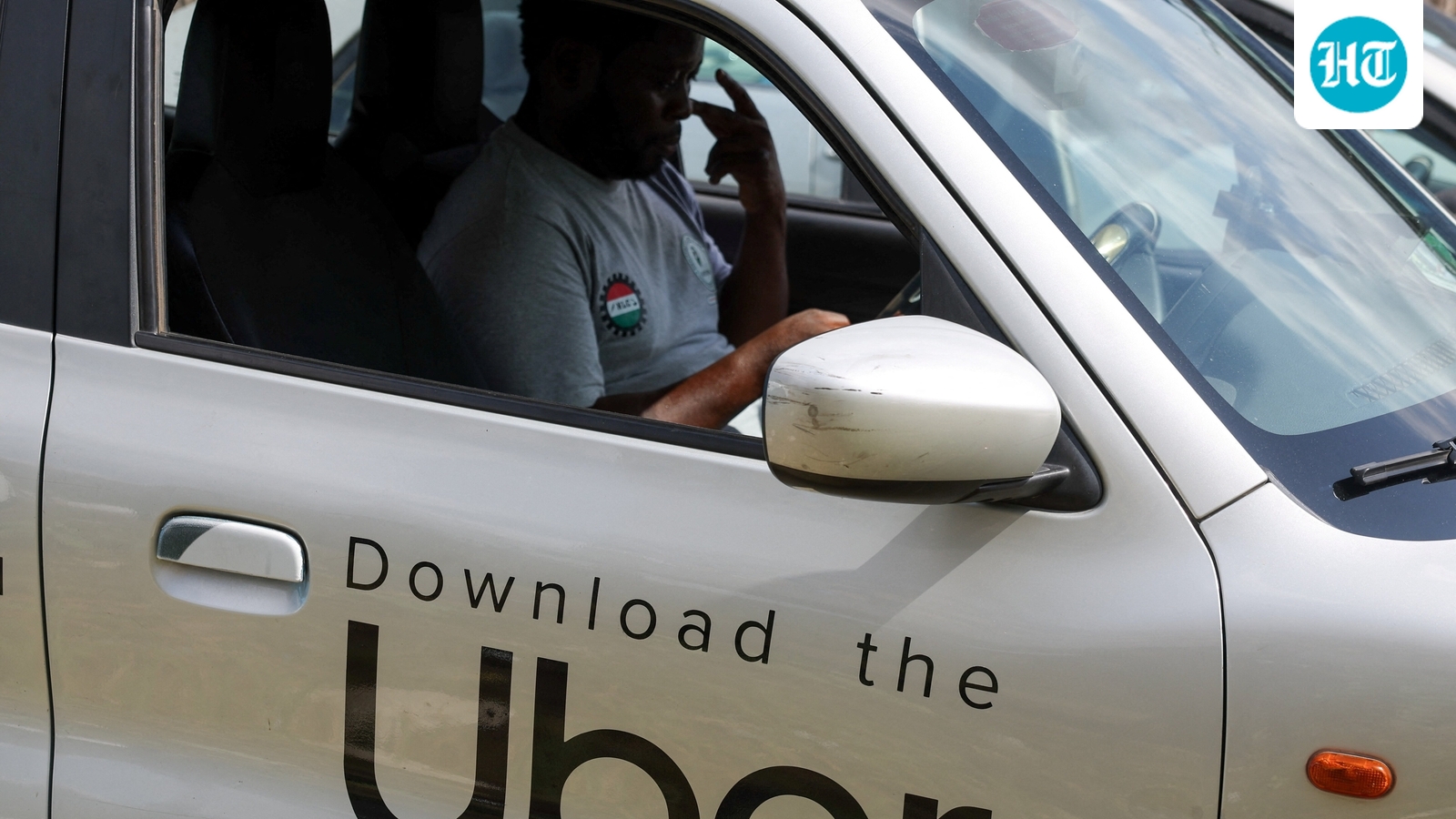
US ride-hailing giant Uber shut down its services in Nigeria and Uganda from September 2, following a global review of its operations in the continent.
The ride-hailing giant said it had come to the “difficult decision” after a thorough review of its business. “This decision is limited strictly to these two markets and does not impact our operations across the rest of the continent,” an Uber spokesperson was quoted as saying by Bloomberg.
The company is reportedly set to cut 3,300 jobs or 10 per cent of its workforce globally.
The move is part of a broader restructuring under CEO Dara Khosrowshahi, as Uber shifts resources towards higher-return businesses, including autonomous vehicles.
Possible reasons
While it did not disclose a reason for its decision to exit Nigeria, Africa’s most populous country with a population of more than 200 million, rising competition could be one possible factor.
Estonia-based Bolt has emerged as Uber’s main competitor in Nigeria, while several other ride-hailing firms have entered the market in recent years, eating into Uber’s once-dominant market share.
The Nigerian market has also become increasingly difficult for ride-hailing companies, with drivers staging protests and industrial action in recent years over rising operating costs, low fares and poor working conditions, according to BBC.
Drivers in Nigeria have frequently complained that fares on the app are too low amid rising fuel costs, while also objecting to Uber’s high commission charges. The company has also come under increasing pressure from rival ride-hailing platforms.
The removal of Nigeria’s fuel subsidy following President Bola Tinubu’s election in 2023 further pushed up the cost of living, which had earlier kept petroleum product prices low in the country for decades.
The US-Iran war this year has also pushed up fuel prices, adding to the list of worries for motorists.
Uber operational in 4 African countries
With its exit from Nigeria, following earlier withdrawals from Ivory Coast and Tanzania, Uber now operates only in Egypt, Ghana, Kenya and South Africa.
It added that the decision is strictly limited to these two markets and will not impact the operations across the rest of the continent and added that the company remains “deeply” committed to Africa.
“This decision is limited strictly to these two markets and does not impact our operations across the rest of the continent,” said an Uber spokesperson in response to questions, Bloomberg reported.
“Uber remains deeply committed to sub-Saharan Africa, where we continue to see robust growth and long-term opportunity.”
Uber launched in Nigeria’s Lagos in 2014. Meanwhile, in Uganda, the ride-hailing company started its operations in 2016.
Users react on social media
Several users have taken to social media platform X, describing how it was when Uber decided to shut down its operations. One user, who called it “insane”, revealed that Uber drivers and riders were mid-trip when the move came into effect.
Another user said that while Uber has shut down operations in markets before, it has typically informed drivers in advance, paid them and then wound down operations.
“Exiting a market is understandable and Uber has done it many times before. Each time, it gave a few weeks of heads-up, then shut down, paid drivers, offboarded them and closed operations.”
“No idea why it would not follow the ‘usual’ playbook. Suggests it will never go back.”
Uber pledges support
As Uber shut down its operations in the two countries with “immediate” effect and without prior notice, the company said it would support employees and drivers affected by the decision.
It also said its help centre would remain open in Nigeria and Uganda until September 23 to address outstanding issues.
(With inputs from Bloomberg and BBC)
Credit: Source link