
UAE urges restraint in calls with Saudi Arabia, Iraq after Petroline attacks
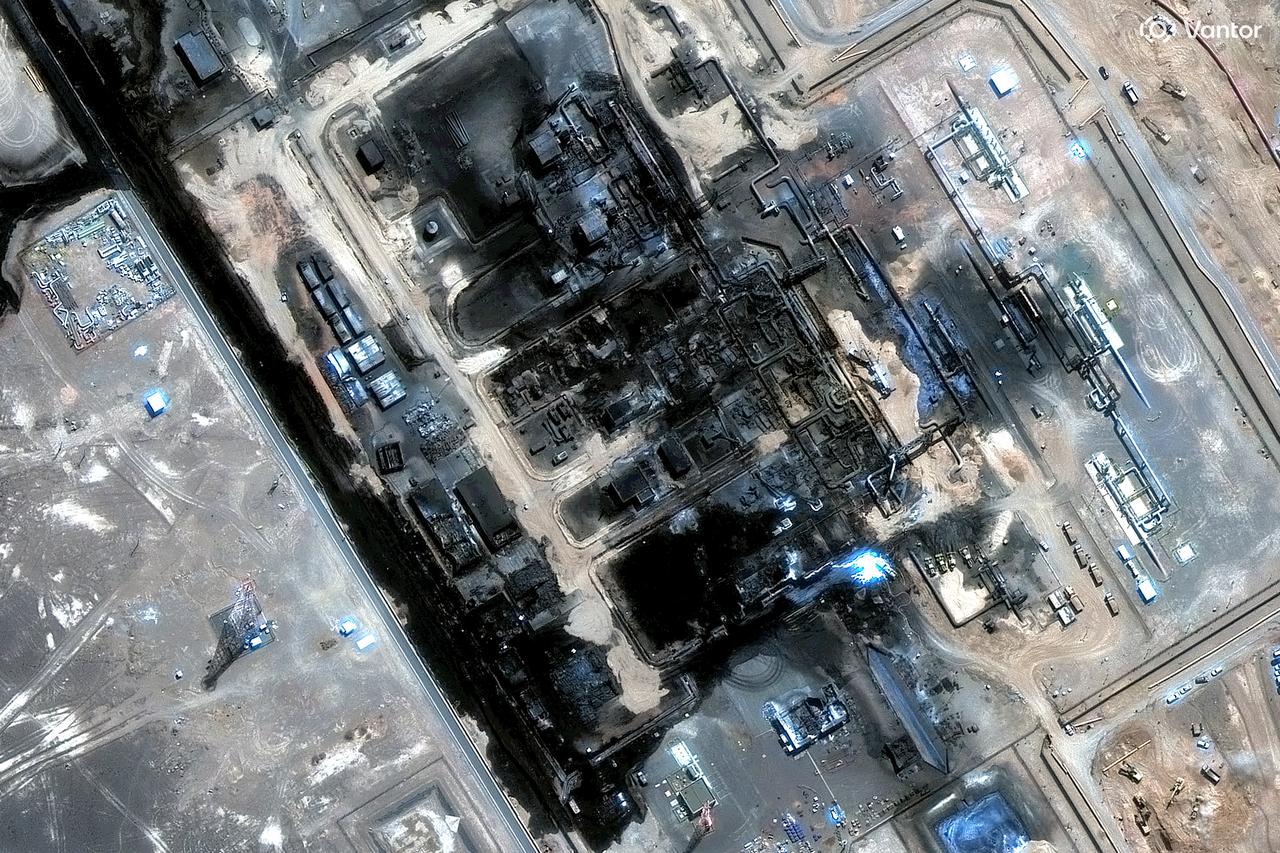
This handout satellite image released by Vantor shows a pumping station along Saudi Arabia’s East-West pipeline (Petroline) in al-Mesabaah, southeast of Medina, on Sept. 13, 2026, after an attack and fires caused significant damage to the site on Sept. 11. (AFP Photo)
September 14, 2026 09:07 AM GMT+03:00
United Arab Emirates Foreign Minister Abdullah bin Zayed Al Nahyan held separate phone calls with his Saudi and Iraqi counterparts Sunday, urging both sides to avoid further escalation amid heightened regional tensions.
The calls came after several drones struck Saudi Arabia’s East-West oil pipeline in the Riyadh and Madinah regions on Thursday, causing injuries and damage and prompting Riyadh to shut the strategic crude route as a precaution.
Saudi Arabia said the drones were launched from Iraqi territory, which Baghdad later confirmed while opening an investigation into the attack.
UAE seeks Gulf coordination amid rising tensions
During his call with Saudi Foreign Minister Faisal bin Farhan Al Saud, Al Nahyan discussed the latest regional developments and efforts to contain the escalation, according to the Saudi Foreign Ministry.
The two officials also underscored the importance of coordinating their positions and strengthening consultations between the two countries to support joint Gulf action, safeguard the security of Gulf states and protect their national assets.
Al Nahyan separately spoke with Iraqi Foreign Minister Fuad Hussein, with the two sides discussing bilateral relations, regional security developments and the situation in Yemen, Baghdad’s Foreign Ministry said.
They also reviewed Iraqi-Gulf relations and stressed the importance of strengthening and maintaining those ties to support regional security and stability. Hussein outlined the Iraqi government’s policy on regional security, reaffirming Baghdad’s commitment to stability and dialogue.
The two ministers stressed the need to avoid escalation and work to resolve problems and disputes through peaceful means, including negotiations and dialogue.
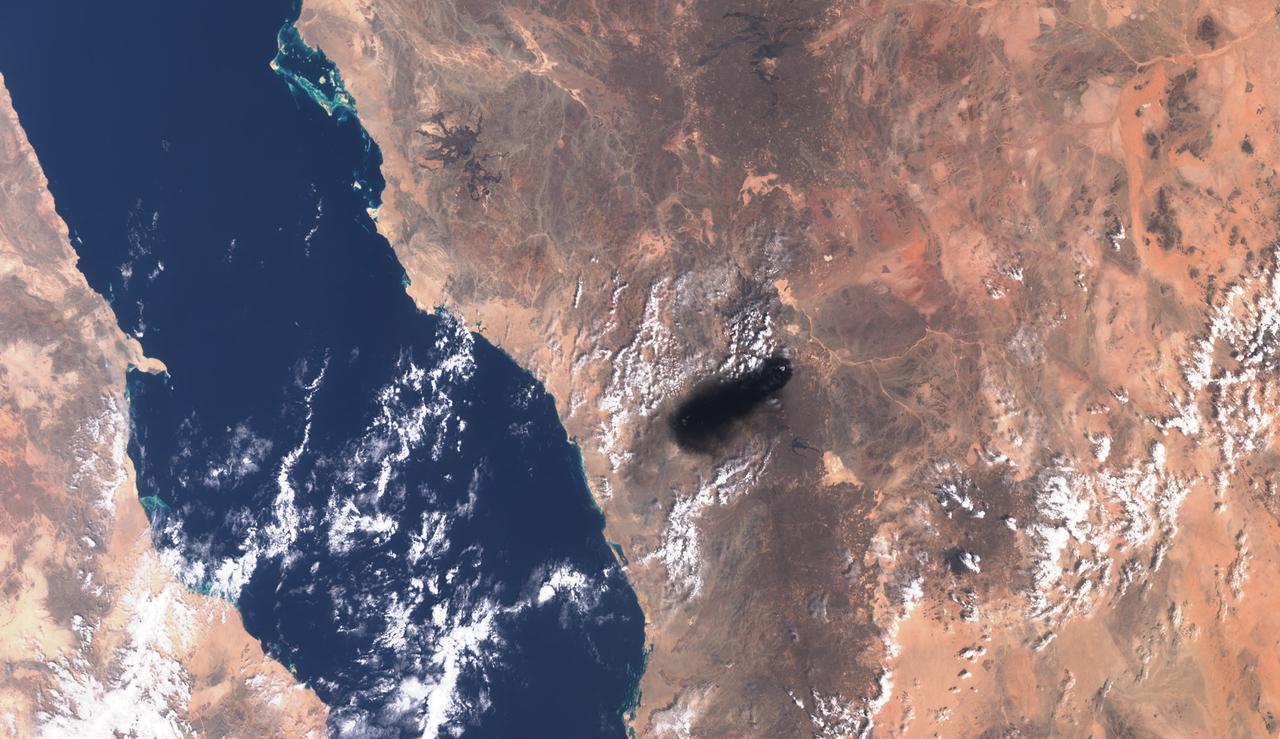

This handout satellite image from Copernicus Sentinel Data taken on September 10, 2016, shows black smoke billowing over the desert southeast of Medina along the general route of Saudi Arabia’s East-West pipeline (Petroline). (AFP Photo)
Saudi Arabia holds back as Iraq probes pipeline attack
The diplomatic contacts came as Saudi Arabia’s Foreign Ministry said earlier that Riyadh had decided “at this stage not to respond” at the request of Iraqi Prime Minister Ali al-Zaidi, allowing Baghdad to prevent further attacks launched from Iraqi territory.
Nevertheless, it stated that Riyadh reserves the right to take all necessary measures to protect its sovereignty, security, facilities, citizens and residents.
Iraqi authorities subsequently determined that the drones had been launched from Maysan province in southern Iraq, near the Iranian border.
The findings prompted Zaidi to order an investigation into the attack and those responsible. He also dismissed the commander of military operations in Maysan after authorities established that the drones had originated from the province.
Baghdad also moved to tighten security along its border with Iran. Iraq ordered the closure of the Shalamcheh crossing as part of a broader security response, while reports later indicated temporary closures or restrictions involving Shalamcheh, Chazabeh and Mandali.
The East-West pipeline has become particularly important during the conflict as an alternative to the disrupted Strait of Hormuz, allowing Saudi Arabia to move crude to the Red Sea and bypass the key Gulf chokepoint.

September 14, 2026 09:09 AM GMT+03:00
Comments are closed.