

U.S. Expands Sanctions on Cuban Key Sectors, Including Raul Castro’s Grandson
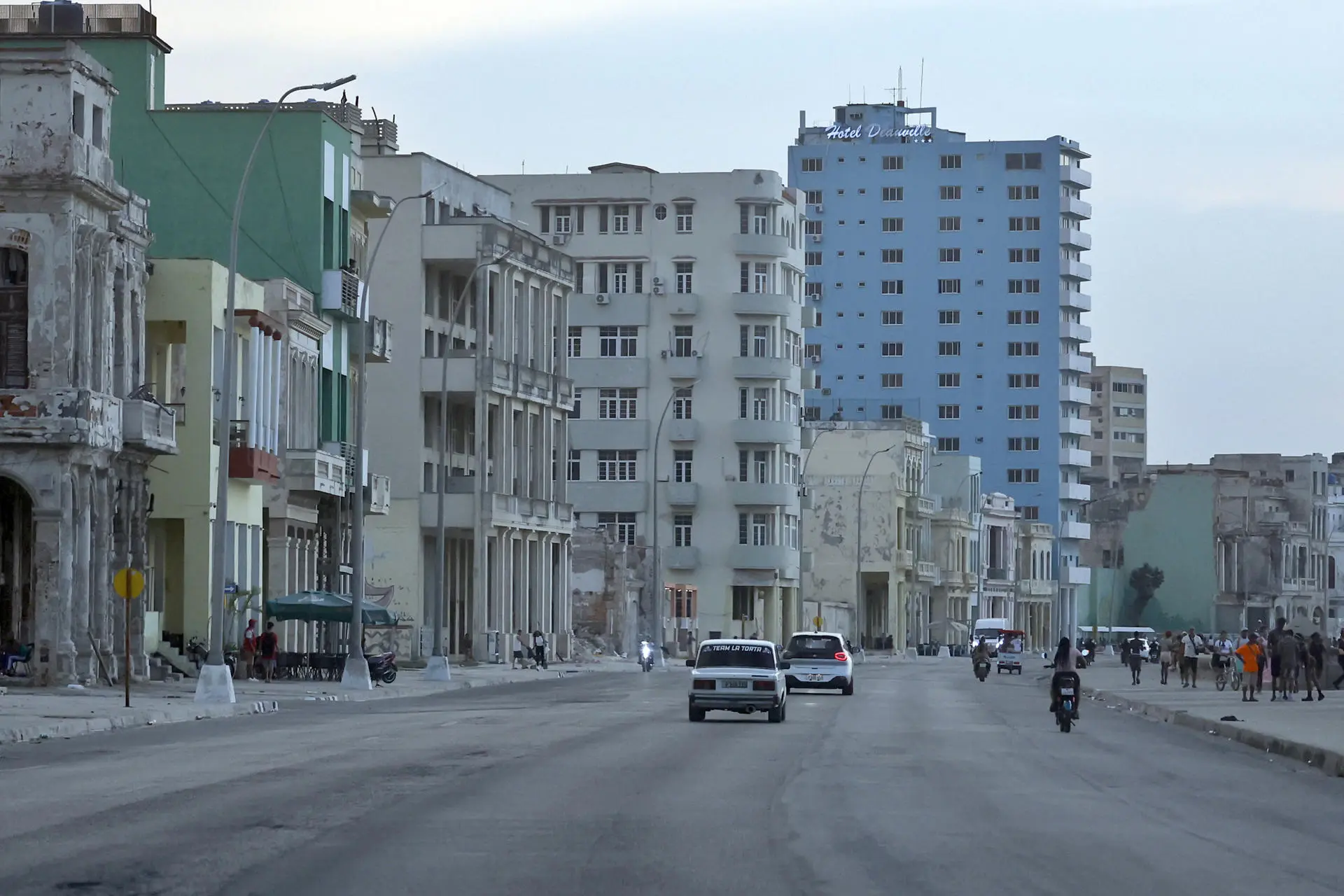
The sanctions aim to hamper Cuba’s ability to develop foreign trade and international transactions, and manage its energy and mining sectors, which are burdened by the oil blockade and coercive measures imposed by the United States in recent months. Photo: EFE.
-
-
-
-
-
-
PDF
🔗 Comparte este artículo
The U.S. Treasury Department’s Office of Foreign Assets Control (OFAC) sanctioned Fidel Ernesto Castro Calis, the grandson of Cuban leader Raúl Castro, on Thursday, as part of the Trump administration’s escalating measures to increase political, social, and economic pressure on Cuba.
The Donald Trump’s administration issued another package of sanctions on Thursday against the energy, finance and mining sectors in Cuba, that have already been targeted by previous Washington measures this year.
The Office of Foreign Assets Control (OFAC) added Fidel Ernesto Castro Calis to its ‘blacklist,’ along with several state-linked entities, including the Foreign Bank of Cuba (BEC) and Comercial Cupet, which handles import and export operations for Cuba’s petroleum sector.
Additionally, Cuban companies specialized in the management, logistics and exploitation of key sectors of its economy, such as the technical and industrial services sector, the technological equipment for energy infrastructure and the import of raw materials and machinery for nickel and cobalt processing like the Service Company “Commander René Ramos Latour” (Nicarotec), the Oil Supply Importing Company (Abapet) and the Nickel importer and supplier Company (Cexni) were also sanctioned.
RELATED: U.S. Imposes New Coercitive Sanctions Targeting Cuba Medical Services and Energy
The OFAC action targets Castro Calis under Executive Order 14404, which authorizes sanctions against adult members of the Castro family. This sanction follows a similar one imposed on Castro Calis’ brother, Raúl Alejandro Castro Calis, on June 4.
These sanctions prohibit all transactions and business dealings involving U.S. persons or entities with these designated individuals and entities. Following this, the designated individuals and companies are subject to restrictions on their operations within the U.S. financial system, and any assets under U.S. jurisdiction are blocked.
The inclusion of the Foreign Bank of Cuba (BEC) points to the circuit through which the Cuban government conducts operations related to foreign trade and international transactions, in a move which is part of a broader strategy by the Trump administration to increase political, social, and economic pressure on Cuba.
In an attempt to justify these new measures – a set of more than 10 measures since 2026 began- the U.S. Secretary of State Marco Rubio said in a press statement that the government of Havana “continues to pose a profound and multifaceted threat to America’s national security and the stability of our hemisphere.”
U.S. Secretary of State, Marco Rubio, argued that the decision is part of a policy aimed at putting pressure on the economic structures that, according to Washington, sustain the Cuban government.
In parallel with the new designations, OFAC issued the General License 4A, which authorizes certain operations of diplomatic and consular missions of third countries in Cuba, which allows these representations to continue operations necessary for their functioning despite the new sanctions package.
Systematic Pressure Against Cuba
The sanctions come amid heightened tensions between the U.S. and Cuba. On January 29, President Donald Trump issued an Executive Order declaring a “national emergency” due to the alleged “unusual and extraordinary threat” posed by Cuba to U.S. national security and the region. The order accuses Cuba of aligning with “hostile” countries, harboring transnational terrorist groups, and allowing Russia and China to deploy advanced military and intelligence capabilities on the island.
In May 2026, the U.S. Department of Justice indicted former Cuban President Raúl Castro and five other officials for the 1996 downing of two civilian aircraft belonging to the terrorist organization Brothers to the Rescue, which incident resulted in the deaths of three U.S. citizens and one U.S. resident.
Castro and the other defendants were charged with conspiracy to kill U.S. citizens, destruction of aircraft, and multiple counts of homicide. This indictment highlights the longstanding animosity between the two countries and the complex historical context in which these sanctions are being imposed.
Cuba has consistently rejected these allegations, with President Miguel Díaz-Canel describing the latest sanctions as evidence of the “fascist, criminal, and genocidal nature” of the Trump administration. The escalating tensions have led to threats of retaliatory measures from Cuba, which has vowed to defend its territorial integrity.
Economic and Political Pressure
The sanctions are part of a broader campaign by the Trump administration to tighten the economic noose around Cuba. Previous measures have included imposing tariffs on countries that sell oil to Cuba and threatening reprisals against those who defy U.S. sanctions. The latest round of sanctions targets not only key figures within the Cuban government but also critical economic sectors, aiming to further isolate Cuba from the international community.
The move to sanction Fidel Ernesto Castro Calis and other key figures highlights the Trump administration’s strategy of applying maximum pressure on Cuba. By targeting high-profile individuals and critical economic entities, the U.S. aims to weaken the Cuban government’s ability to maintain its grip on power and to force concessions.
The sanctions come as Cuba faces a severe energy crisis -consequence of previous sanctions-, with the country experiencing constant blackouts due to a lack of electricity. The Trump administration’s decision to prorogue the oil sanctions until further exacerbates the economic and humanitarian challenges facing the Cuban people.
Following the new coercive measures, Cuban PM Bruno Rodríguez Parrilla accused the Trump’s administration of seeking a humanitarian crisis on the island, recalled that collective punishment is a crime under international law and stated that the U.S. Secretary of State “has been lying about Cuba for two consecutive days. A mania from which one cannot escape.”
“It is his way and that of his government to justify a cruel and ruthless aggression against the Cuban people that does not admit any political or moral excuse”, said Rodríguez. “Enough with abuse. End the blockade and allow Cuba to live in peace, with their own efforts and the united support of their noble and brave people,” he demanded.
Text reads: “”It would be unserious to believe that an island of this size could pose a threat to the world’s greatest military power.” @BrunoRguezP, Foreign Minister of Cuba on the podcast Cuba Analysis.”
International Reaction and Humanitarian Concerns
The U.S. blockade on Cuba has been a contentious issue on the international stage. The UN General Assembly has repeatedly passed resolutions condemning the coercive measures, calling for its immediate end. The international community has consistently criticized the unilateral sanctions as a violation of Cuba’s sovereignty and a hindrance to its economic development.
Human rights organizations have also voiced their concerns about the impact of the blockade on the Cuban people on access to basic services, such as healthcare and education, and have called for its lifting.
Meanwhile, the U.S. government has not included in the supporting documents -beyond their claims-, evidence of Cuba’s involvement in terrorism or elements which shows that a country subjected to a serious economic and humanitarian crisis provoked by the U.S. government’s policies can threaten or threaten the North American nation.
Author: Laura V. Mor
Source: OFAC / Agencies