

Tycoon Stephen Saad’s Aspen to double factory profit
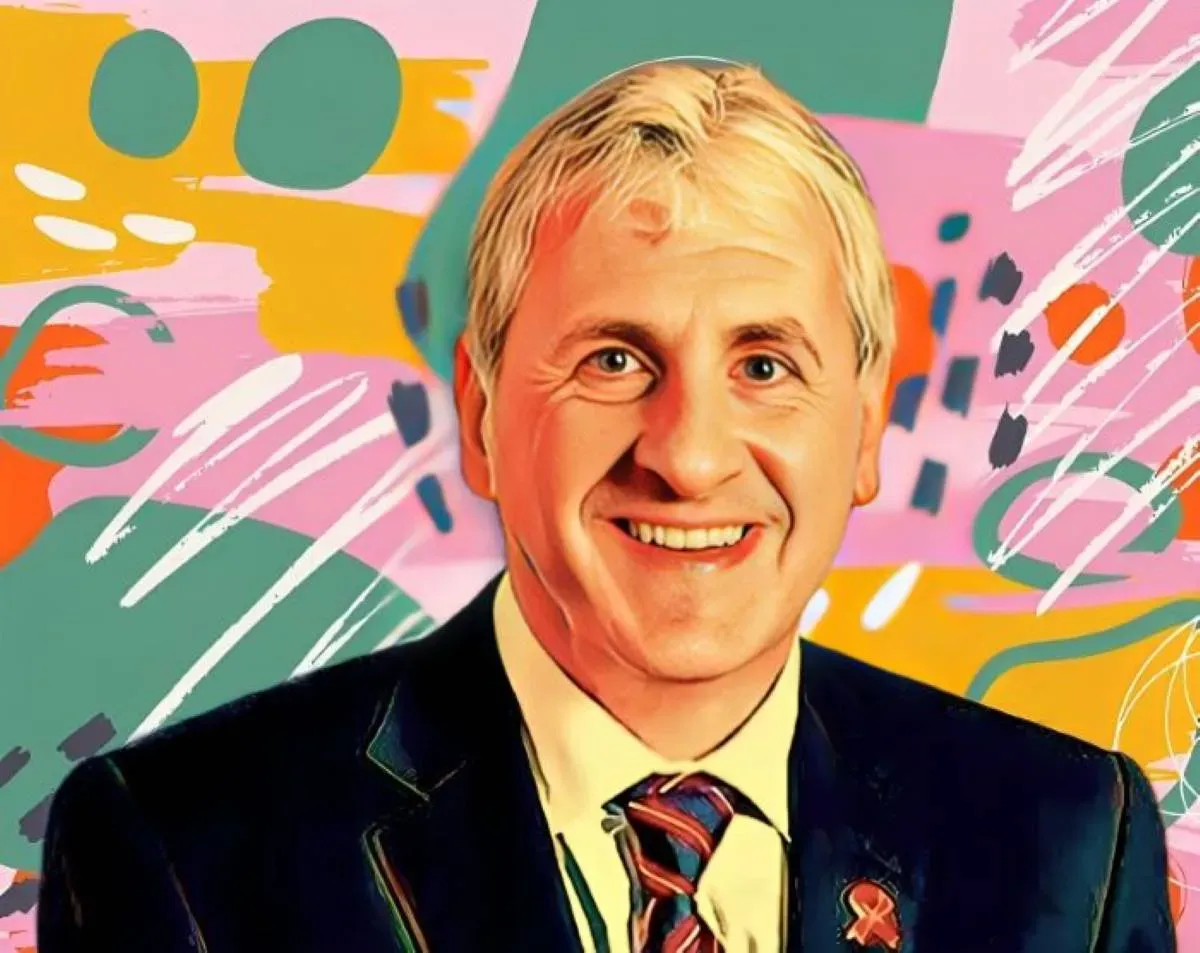
Aspen Pharmacare Holdings Ltd., the Johannesburg-listed drugmaker run by South African tycoon Stephen Saad, expects earnings from its manufacturing business to more than double in the year to June 2027, making its factories the main source of profit growth after two years of restructuring.
Manufacturing earnings before interest, tax, depreciation and amortisation rose 21% in constant currency to R828 million ($49.9 million) in the year to June 2026. Doubling that would take the division past R1.66 billion, or about $100 million. The company has set out the target in its 2026 integrated report, after first giving the guidance with its annual results in September.
“Manufacturing will be more than double FY 2026 Ebitda,” Saad, Aspen’s co-founder and group chief executive, told analysts on the results call. He said the company expects “substantial double-digit growth in normalised earnings” this financial year.
Sterile plants turn the corner
The forecast rests on a turnaround at Aspen’s sterile plants in France and South Africa, which make injectable medicines. The French site lost a contract to produce mRNA vaccines in 2025, a deal that had contributed about R1 billion ($60.2 million) to manufacturing Ebitda the year before. Aspen settled a dispute over the contract in October 2025 for 25 million euros.
Aspen then cut costs and changed what the sites produce. Those changes added about R1.2 billion ($72.3 million) to manufacturing Ebitda in the year to June, more than replacing the lost mRNA income, even as manufacturing revenue fell 10% to R9.5 billion ($572 million). The company has raised its target for earnings gains from the sterile overhaul over two years to R2.2 billion ($132.5 million) from R1.7 billion ($102.4 million), and expects the sterile business to be profitable at the Ebitda level this year.
“It’s been successfully reshaped for positive Ebitda in financial year 2027,” Saad said.
Higher volumes at the company’s plants in Gqeberha, on South Africa’s southeast coast, are a big part of the plan. Aspen began making human insulin vials there in May under a contract with Danish drugmaker Novo Nordisk, and its vial and cartridge lines are still being tested. Saad called the start of commercial insulin production “an important landmark” for the company. In France, Aspen is widening the range of products made at its plant.
Aspen is also counting on its active pharmaceutical ingredients business, which Saad described as “a very profitable section of the Aspen business,” to return to growth with a new product. Children’s vaccines could add more once the company wins prequalification from the World Health Organization, which Saad said he hoped would come this calendar year.
Group outlook
Aspen expects normalised group Ebitda of at least R9 billion ($542 million) in the current financial year, up from R7.7 billion ($464 million). Revenue in the year to June was flat at R34.9 billion ($2.1 billion), as a 5% rise to R25.4 billion ($1.53 billion) in its commercial pharmaceuticals unit, helped by demand for Eli Lilly’s Mounjaro weight-loss and diabetes injection, offset the drop in manufacturing sales.
The company ended June with net cash of about R800 million ($48.2 million) after selling its Asia Pacific business, excluding China, to Australian private equity firm BGH Capital, and it expects to save about R1.2 billion ($72.3 million) in net interest costs this year. Aspen raised its dividend to 232 cents a share from 211 cents.
Investors have rewarded the recovery. Aspen shares traded at about R160 in early October, up about 40% since January and valuing the company at roughly R69 billion ($4.16 billion), though the stock remains well below its 2015 record.
Saad, 62, started out selling medicines to doctors in South Africa’s townships in the late 1980s and co-founded Aspen in Durban in 1997 with Gus Attridge. He has run the company since and owns about 58.8 million Aspen shares, or roughly 13% of the group.
Crédito: Link de origem