

Transparency Morocco finds broad anti-corruption promises ahead of September 23 vote;
Anti-corruption pledges feature prominently in Morocco’s 2026 election platforms, but only four of 12 parliamentary parties responded to questions from Transparency Morocco on illicit enrichment, conflicts of interest and public-funds cases, the watchdog said Wednesday.
Transparency Morocco said an initial review of party manifestos found broad agreement on strengthening integrity rules, although parties differed sharply in how prominently and specifically they addressed corruption.
Five parties devoted separate sections to the issue: Istiqlal, the left-wing alliance comprising the Federation of the Democratic Left and the Unified Socialist Party, the Party of Progress and Socialism, the Socialist Union of Popular Forces and the Justice and Development Party.
Other parties, including the Constitutional Union, Democratic Forces Front and Authenticity and Modernity Party, folded anti-corruption measures into broader proposals on governance, economic development or purchasing power.
Transparency Morocco said common proposals included criminalizing conflicts of interest and illicit enrichment, expanding mandatory asset declarations, strengthening oversight institutions and creating specialized courts for financial crimes.
Several programs also propose digitizing administrative procedures and public procurement, as well as replacing discretionary licenses and privileges with more transparent rules.
But the group said only four parties replied to a letter it sent on July 27 seeking positions on three specific issues. As of September 15, responses had come from the USFP, PPS, Federation of the Democratic Left and Unified Socialist Party.
Eight others, including the RNI, PAM, Istiqlal and PJD, had not replied.
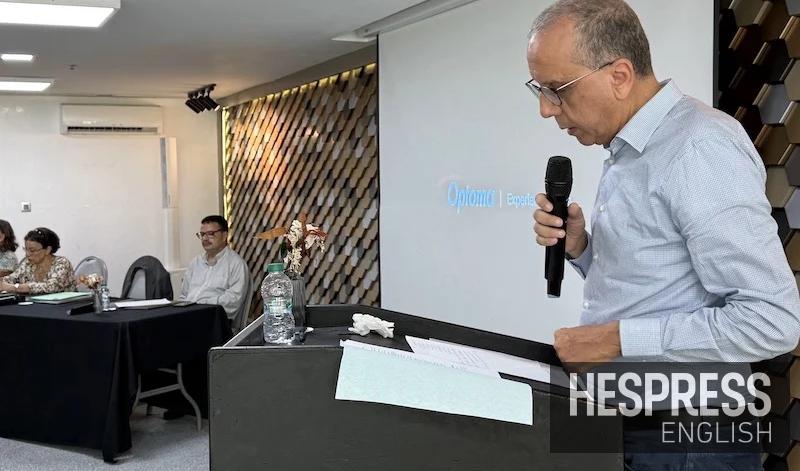
Transparency Morocco Secretary-General Abdessamad Sedouk said most proposals remained primarily legislative and warned that the central test would be whether campaign commitments translated into implementation.
He also noted that none of the party programs reviewed had addressed Morocco’s 2015-2025 National Anti-Corruption Strategy, which Transparency Morocco has criticized as unsuccessful.
The watchdog separately objected to provisions requiring public-interest associations to obtain authorization from the justice minister before joining certain public-funds cases as civil parties, arguing that such restrictions could weaken civil-society oversight.
Credit: Source link