

Those with temporary protected status fear for what’s next
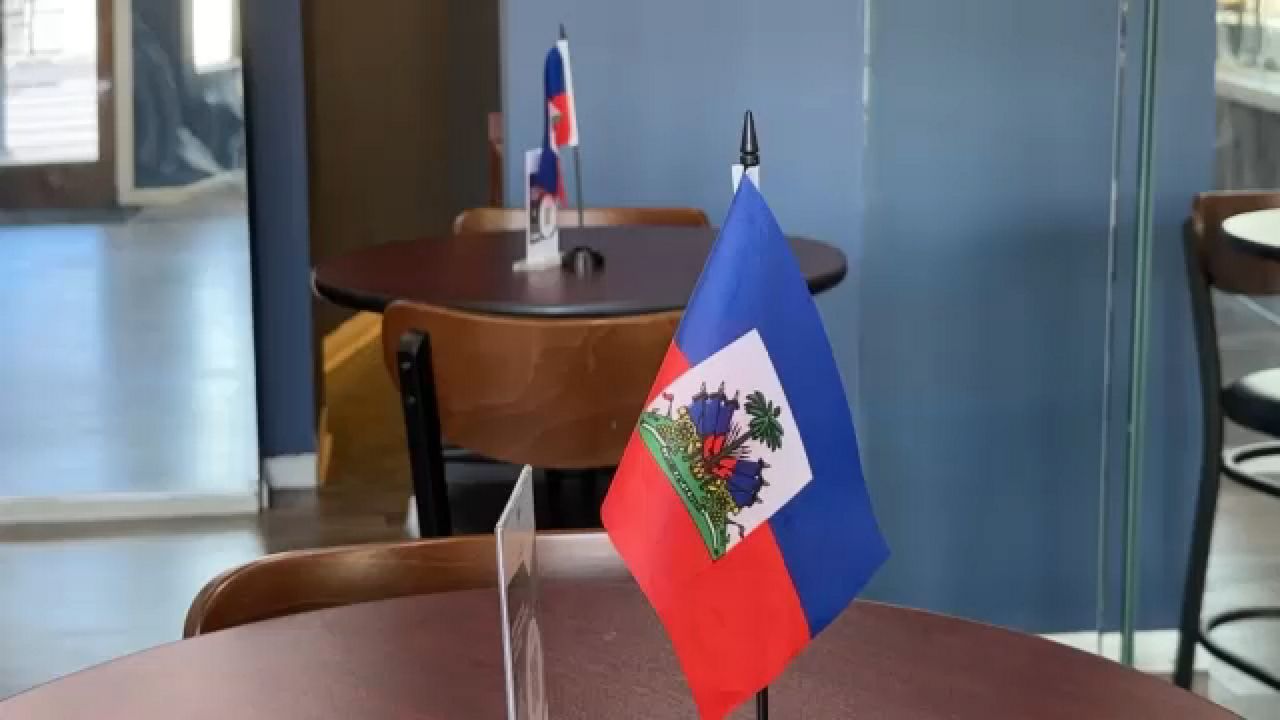
ROCHESTER, N.Y. — Temporary protected status, or TPS, prevents people from being deported to specific countries that are suffering from natural disasters, war or instability. It allows them to stay and work in the United States.
But a decision by the Supreme Court late last week could change that for some migrants.
The Supreme Court’s ruling allows the Trump administration to end TPS for Haitian and Syrian immigrants, opening the door for potential detentions and deportations.
A Haitian business owner in Rochester described the disappointment and concern within his community.
Zoe’s Haitian Restaurant serves up native Haitian recipes. Many of the patrons are from Haiti.
“It’s a heartbreaking situation,” said Zoe, the owner of Zoe’s Haitian Restaurant. “[People from Haiti] are very concerned about their TPS not being renewed.”
Zoe was born in Haiti. He has lived most of his life in this country and says he is a U.S citizen with permanent resident status.
Still, he fears for members of his family, friends and his customers.
“Some of these people don’t have nothing back home,” he said. “So, everything they have here is here. If you’ve been gone for 10, 15 years, it’s difficult to go back to something that you left behind to start all over again. You don’t start walking and you go back crawling.”
The Trump administration argued that the Department of Homeland security should be able to grant or revoke temporary protections without judicial interference. The administration also claims that when the Biden administration expanded TPS designations migrants were not properly vetted.
But Zoe says those on TPS are a blessing to the community.
“The Haitian community, they are lovely people. They want to work and they want to stay out of the way and try to build a family.”
“In New York state, TPS holders alone contribute $1.1 billion in our state economy,” said New York Immigration Coalition’s Cassandra Bocanegra. “So, it’s instead of supporting communities that have only done have only added value to our society, we’re continuing to punish them and really putting them in harm’s way.”
She says the organization is disappointed by the ruling and is working to help those impacted understand the decision.
“We really have to look at Congress right now to set up ways to continue protecting communities and to continue protecting temporary protected status, and to figure out some way for folks to be able to go from TPS to residency and to citizenship,” said Bocanegra. “People are afraid.”
But Zoe dishes out hope, offering this message to his community.
“Haitian people are very resilient and they are not going to give up their fighting,” he said. “So, if anybody looking for help, if I can help, I will.”
The decision applies to about 350,000 Haitians and some 6,000 Syrians. But NYIC and others fear this is just the beginning and the more than 1 million people under TPS from several other countries could also eventually be impacted.
The termination of Temporary Protected Status takes effect at the end of July when the mandate is formally returned to the lower courts.