

The $215m conundrum: Newey stakes Aston Martin turnaround on radical Budapest upgrades
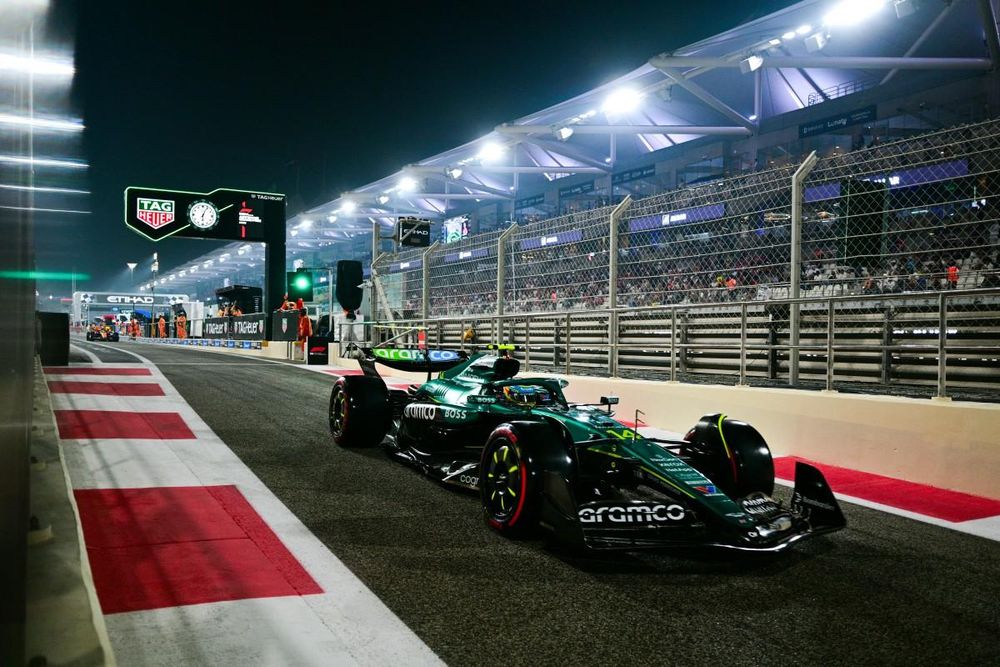
Aston Martin‘s aggressive transformation into a Formula 1 powerhouse has come with a staggering price tag, but halfway through the 2026 season, the tangible results are still nowhere to be seen.
The Silverstone-based outfit has poured hundreds of millions of dollars into a state-of-the-art factory, a brand-new wind tunnel, world-class facilities, and one of the most high-profile signings in the history of the sport by luring legendary designer Adrian Newey. While the exact figure spent on development remains strictly undisclosed, the sport’s baseline cost cap limits are set at $215 million.
Yet, Aston Martin remains rooted towards the back of the grid, with an overweight and deeply underperforming AMR26 chassis leaving drivers Fernando Alonso and Lance Stroll utterly frustrated.
However, major hope is on the horizon — or at least the team firmly believes so.
The squad is preparing to introduce its most significant upgrade package of the season ahead of the Hungarian Grand Prix, with the engineering focus firmly on shedding excess weight from a car that has struggled to match its rivals across every single phase of a lap. Rather than waiting to combine the package with a revised, upgraded Honda power unit later in the year, Aston Martin has opted to fast-track the chassis upgrades to the track as soon as they are manufactured.
Newey openly admitted that the current competitive situation has been far from ideal, but he believes there is still plenty for the technical department to learn.
“We’re trying to understand exactly where the car is weak,” Newey reflected. “It’s clear that reducing weight is a massive priority because every single kilogram you carry costs valuable lap time.”
The renowned engineer insists the upgrade is not simply a matter of making the car lighter, with intricate aerodynamic refinements and subtle suspension changes also expected to drastically improve overall balance and tyre management.
“It’s a holistic package,” Newey added. “You can’t look at weight in isolation because everything interacts. We need a car that gives the drivers ultimate confidence, and one that we can continue to structurally develop going forward.”
For a team that entered Formula 1’s sweeping new regulatory era with genuine ambitions of fighting for world championships, the distinct lack of progress has been incredibly sobering. Despite the astronomical infrastructure investment and the arrival of one of the greatest technical minds the sport has ever seen, Aston Martin has struggled to even escape the lower midfield.
The coming races in Europe will firmly reveal whether this long-awaited upgrade marks the definitive beginning of a competitive turnaround, or simply stands as another expensive lesson in a project taking far longer than anyone at Silverstone had hoped.
Crédito: Link de origem