

Tanzania And DR Congo Forge Strategic Oil And Gas Pact
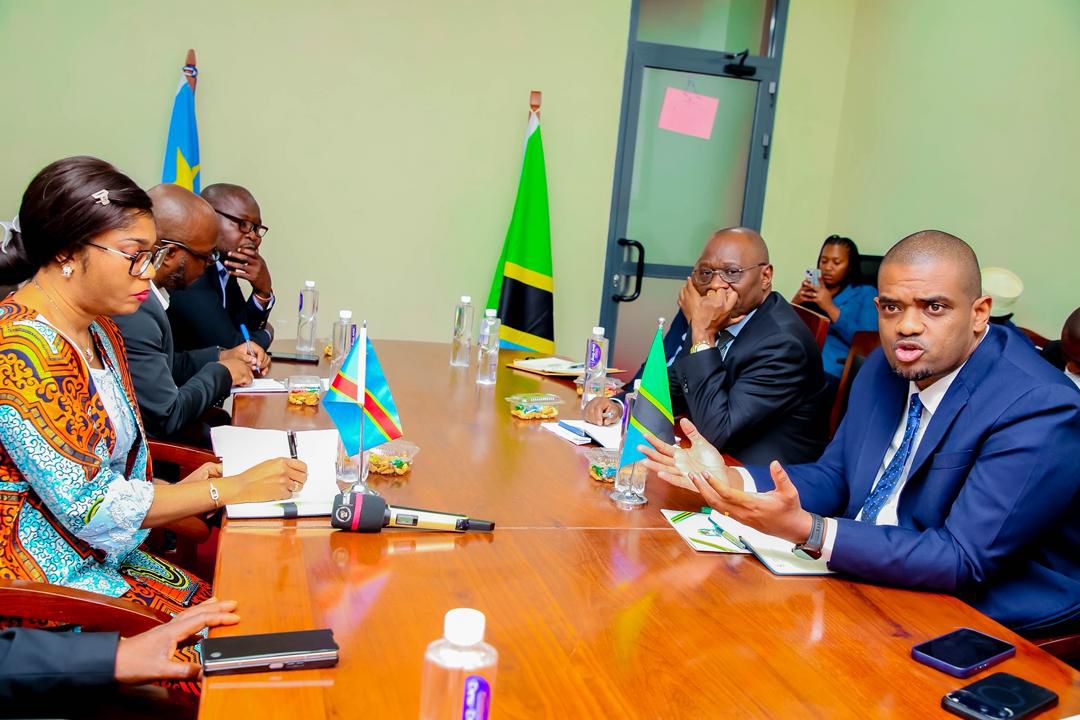
Ministers from the United Republic of Tanzania and the Democratic Republic of Congo have initiated high-level negotiations in Dodoma to forge a sweeping partnership in oil and natural gas exploration, transportation, and distribution. The bilateral discussions, spearheaded by Tanzanian Energy Minister Deogratius Ndejembi and DRC Minister of Hydrocarbons Acacia Bandubola Mongo, signal a decisive shift toward regional energy integration in Central and East Africa.
With the Democratic Republic of Congo historically struggling to secure consistent and affordable petroleum supplies for its vast, infrastructure-poor eastern provinces, and Tanzania rapidly advancing megaprojects like the East African Crude Oil Pipeline (EACOP), this emergent energy framework could fundamentally reshape the continent’s economic architecture. The stakes are immense, potentially unlocking billions in cross-border trade while addressing chronic fuel deficits that have long stifled industrial growth in the DRC.
The Strategic Imperative For Integration
The negotiations in Dodoma represent a pragmatic alignment of mutual economic interests. Tanzania has positioned itself as the preeminent maritime and logistical gateway for landlocked East and Central African nations. By leveraging the expansive ports of Dar es Salaam and Tanga, the Tanzanian government aims to capture a lucrative segment of the regional energy supply chain. During the talks, Minister Ndejembi explicitly highlighted the ongoing development of the TAZAMA pipeline and the EACOP corridor as critical infrastructure assets that could seamlessly integrate with Congolese energy demands.
For the Democratic Republic of Congo, the calculus is equally urgent. Despite possessing staggering mineral wealth, the nation faces persistent logistical nightmares in distributing refined petroleum products to its eastern territories. Fuel prices in cities like Goma and Bukavu routinely spike due to fragmented supply chains and regional instability. Partnering with Tanzania offers Kinshasa a reliable, streamlined eastern corridor for petroleum imports, bypassing the notoriously congested and perilous routes currently utilized.
Energy economists at the University of Dar es Salaam note that formalizing a downstream distribution network between the two nations would dramatically reduce transit costs. Furthermore, joint exploration initiatives in the geographically contiguous Lake Tanganyika basin could yield significant natural gas discoveries, providing a cleaner transitional energy source for both economies. Details regarding specific investment vehicles for these exploration blocks remain under independent verification, but the political will to expedite licensing appears robust.
Infrastructure As An Economic Catalyst
The backbone of this proposed cooperation rests entirely on hard infrastructure. Tanzania’s aggressive investment in port expansion and cross-border highway networks has historically outpaced its regional peers. The Tanzanian Petroleum Development Corporation (TPDC), led by Managing Director Mussa Makame, has been tasked with evaluating the technical feasibility of extending pipeline spurs or dedicated fuel trucking corridors toward the Congolese border posts of Kasumbalesa and beyond.
This infrastructure push arrives at a critical juncture for the broader East African Community (EAC). As global markets pivot toward critical minerals, the energy required to extract and refine these resources in the DRC has surged. Reliable power and petroleum are non-negotiable prerequisites for the industrial-scale mining operations currently dominated by multinational conglomerates. By securing the energy supply chain, Tanzania effectively guarantees itself a continuous, highly profitable revenue stream comprised of transit fees and logistical tariffs.
- Projected Trade Expansion: Improved petroleum logistics could increase bilateral energy trade volume by an estimated 35 percent over the next five years, directly impacting regional GDP.
- Infrastructure Synergy: The integration of the DRC into the TAZAMA and EACOP distribution models provides economies of scale, reducing the per-barrel transport cost across the East African corridor.
- Exploration Frontiers: Joint geophysical surveys in the Lake Tanganyika basin represent a largely untapped frontier for natural gas, potentially rivaling the offshore discoveries in southern Tanzania.
- Energy Security: Diversifying supply routes insulates eastern DRC from acute fuel shortages, stabilizing local economies heavily dependent on diesel-powered generators.
Overcoming Historical And Bureaucratic Hurdles
Despite the optimistic rhetoric emanating from the Dodoma summit, severe historical and bureaucratic hurdles threaten to impede rapid implementation. Cross-border energy projects in Africa are notoriously susceptible to delays caused by regulatory misalignment, complex customs procedures, and political volatility. Harmonizing the legal frameworks governing petroleum standards, taxation, and environmental protections between a francophone legal system in the DRC and an anglophone system in Tanzania will require meticulous diplomatic statecraft.
Moreover, security concerns in the eastern DRC remain a paramount obstacle. The proliferation of armed militias across North and South Kivu introduces a severe risk premium for any physical infrastructure projects extending into Congolese territory. Independent security analysts warn that without a comprehensive stabilization strategy, fuel convoys and potential pipeline extensions could become lucrative targets for rebel extortion and sabotage.
Minister Mongo’s public endorsement of Tanzania’s energy sector progress indicates a willingness in Kinshasa to delegate significant logistical responsibilities to their eastern neighbor. This pragmatic outsourcing of supply chain management allows the DRC government to focus its limited resources on internal security and mining sector reforms, while relying on Tanzania’s proven capacity to execute large-scale infrastructure projects.
A Blueprint For Continental Self-Reliance
The Tanzania-DRC energy dialogue reflects a growing continent-wide consensus prioritizing intra-African trade over traditional colonial export routes. By utilizing the African Continental Free Trade Area (AfCFTA) framework, these bilateral agreements circumvent the historical reliance on European and Asian intermediaries for energy security. The success of this pact could serve as a powerful blueprint for neighboring nations grappling with similar logistical constraints.
Global energy markets are watching closely. International energy analysts project that a unified East-Central African energy corridor could attract significant foreign direct investment from sovereign wealth funds and development finance institutions eager to underwrite bankable infrastructure. If Dodoma and Kinshasa can successfully translate these preliminary talks into binding, financed execution agreements, the geopolitical center of gravity in African energy logistics will decisively shift toward the Indian Ocean coast.
The era of fragmented, inefficient regional supply chains is gradually ending. As Tanzanian and Congolese technocrats draft the final memorandums of understanding, the implications of their work will dictate the economic velocity of the region for decades. What emerges next from these negotiations will unequivocally determine whether Central Africa can finally power its own industrial revolution.
Credit: Source link