

Sudan’s Military Gains May Not Bring Lasting Peace « ABC NEWS NEPAL
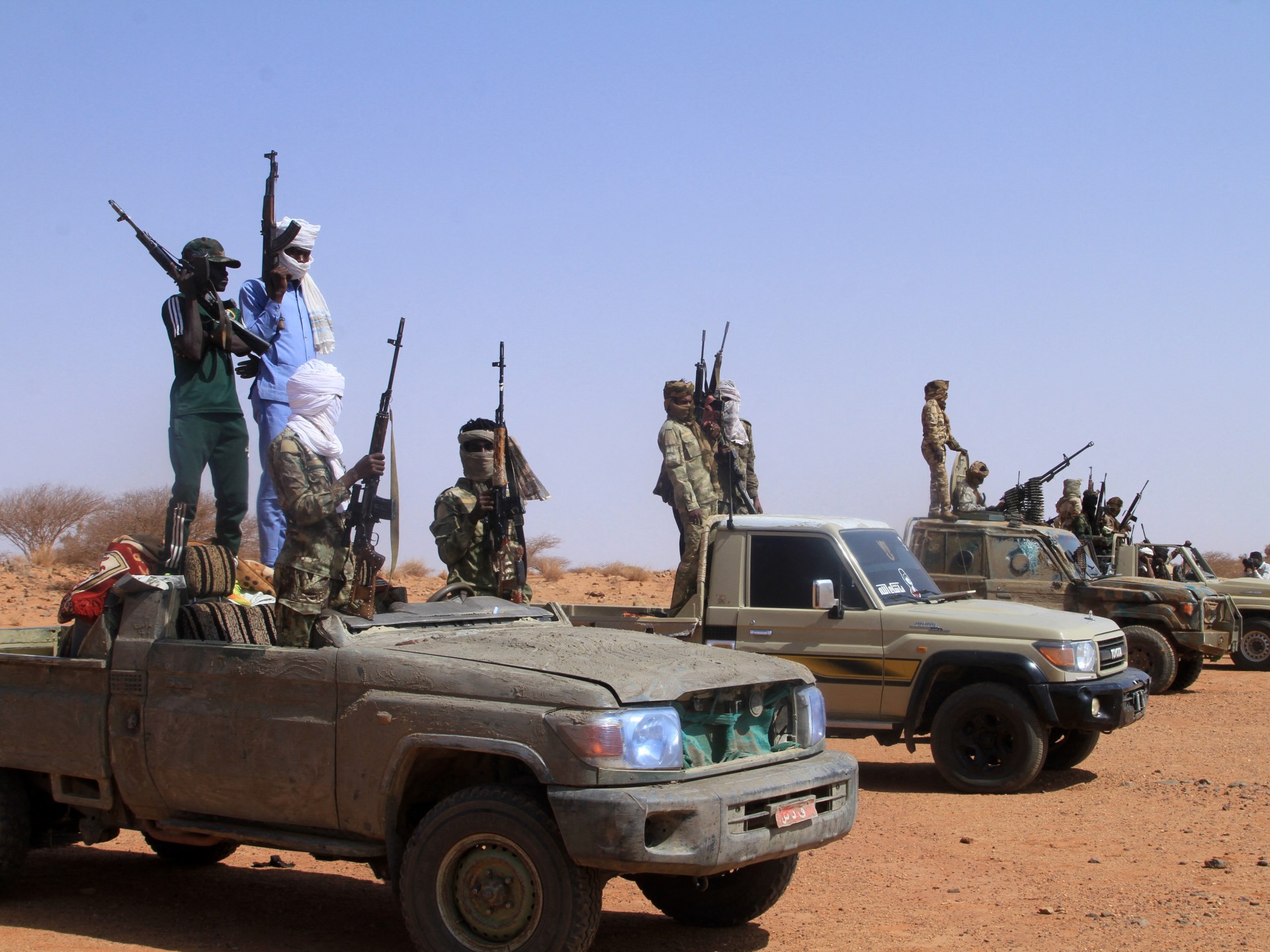
Kathmandu— Sudan’s armed forces (SAF) have made significant territorial gains against the paramilitary Rapid Support Forces (RSF) in recent months, recapturing key areas along the Export Road. However, these victories mask a deeper problem: even a potential defeat of the RSF will likely not end Sudan’s war, but instead fracture it into multiple smaller conflicts due to the complex web of alliances and fragmented loyalties within both sides. The SAF relies heavily on allied armed movements with their own agendas, while the RSF’s weakening grip is leading to defections that create new, independent fighting groups.
A Fragile Coalition
The Sudanese army’s successes are built upon a coalition of forces that may prove difficult to control once their common enemy is defeated. The SAF relies on armed movements like the Justice and Equality Movement (JEM) and the Sudan Liberation Movement, groups who signed the 2020 Juba Peace Agreement (JPA). These factions have been reluctant to fully integrate into the formal military structure, seeking to maintain their political leverage through independent military power. Yasser al-Atta, army chief of staff, announced plans in March to address this issue, but little progress has been made.
RSF Fragmentation and Defections
The RSF itself is experiencing internal fragmentation, with several senior figures defecting alongside their fighters. These defections, potentially fueled by financial incentives and tribal grievances, are not simply surrenders; they represent the creation of new armed groups loyal to individual commanders. This means the SAF is inheriting the structural weaknesses of the RSF with each defection, as seen with Abu Aqla Keikel whose Sudan Shield Forces operate largely independently despite appearing alongside SAF leadership.
Islamist Groups and Political Ambitions
Sudanese Islamist brigades, such as al-Baraa ibn Malik affiliated with the former ruling National Congress Party (NCP), played a key role in retaking Khartoum. However, facing international sanctions and SAF gains, some fighters are withdrawing from the battlefield. Despite this tactical retreat, leaders like Ahmed Haroun of the NCP have indicated their intention to participate in future elections, suggesting they aim to regain power through political means. The years of battlefield experience gained by these Islamist fighters raise concerns about their willingness to disarm without a comprehensive political settlement.
Long-Standing Peripheral Control Issues
The Sudanese army has historically struggled to exert sustained control over the country’s peripheries, particularly in regions like Darfur. During Omar al-Bashir’s rule, the government relied on Janjaweed militias – many of whom later formed the RSF – to combat rebellion. Now, a weakened and cash-poor SAF, dependent on diverse and often independent forces, faces similar challenges in maintaining control over vast areas like Darfur, where the RSF continues to utilize cross-border supply routes.
Burhan’s Dialogue and Unresolved Questions
General Abdel Fattah al-Burhan’s recently announced national dialogue is viewed less as a comprehensive resolution and more as an attempt to translate wartime alliances into post-war political influence. Burhan has ruled out the return of RSF leaders to power, but the fundamental issue remains: how will the remaining RSF forces be dismantled or integrated, particularly in Darfur? And how will the SAF’s allied militias be brought under a unified command structure once hostilities subside?
The future stability of Sudan hinges on addressing these complex issues beyond military victories. Without a political settlement that accounts for the diverse interests and independent power bases within both the anti-RSF coalition and the remnants of the RSF, the country risks descending into a prolonged period of fragmented conflict.
(With inputs from Al Jazeera)
Originally published on abcnews.com.np.
Credit: Source link