
South Sudan’s first UNESCO World Heritage site covers nearly 30 million acres and protects a migration of roughly six million antelopes
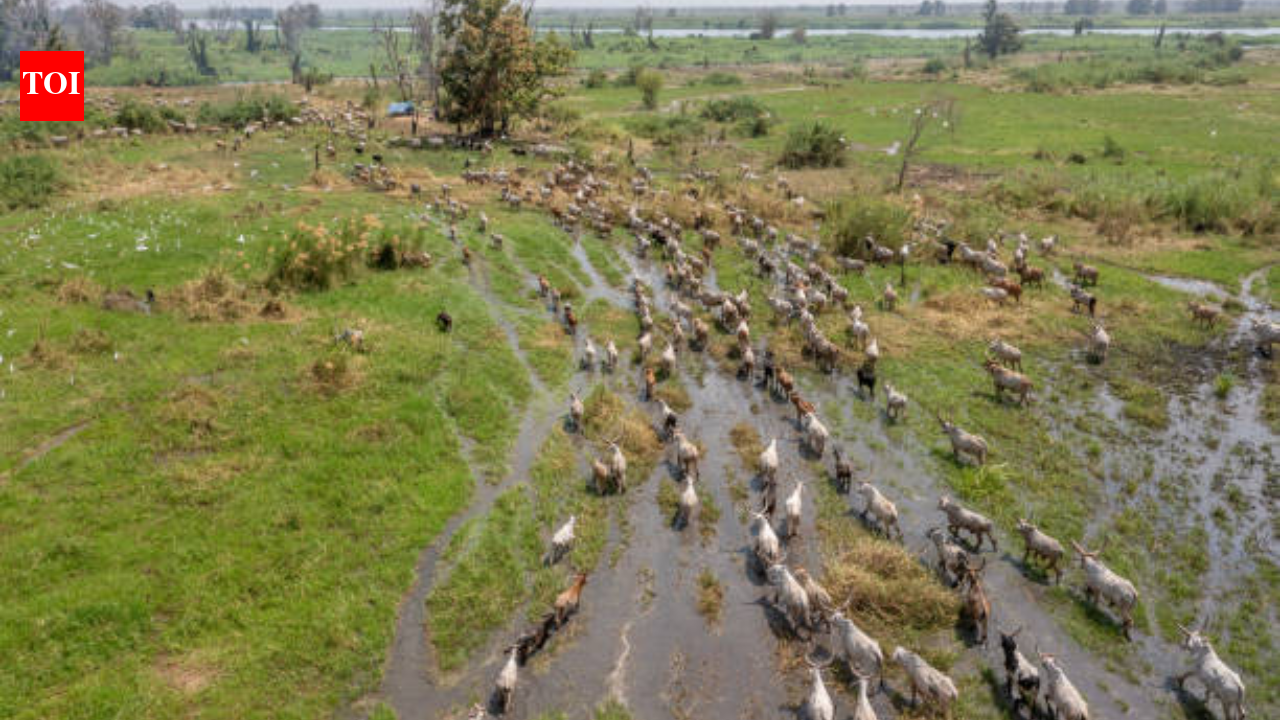

One of the most biodiverse regions in South Sudan is the Boma and Badingilo national parks. While they are best known for the massive herds of antelope that migrate across them annually, they are also home to key habitats for birds such as shoebills and others that migrate between southern and northern parts of Africa. In July, the parks and surrounding areas were designated a UNESCO World Heritage Site, and now conservationists are hoping the first-ever designation will be able to conserve the region’s biodiversity.
An avian spectacle
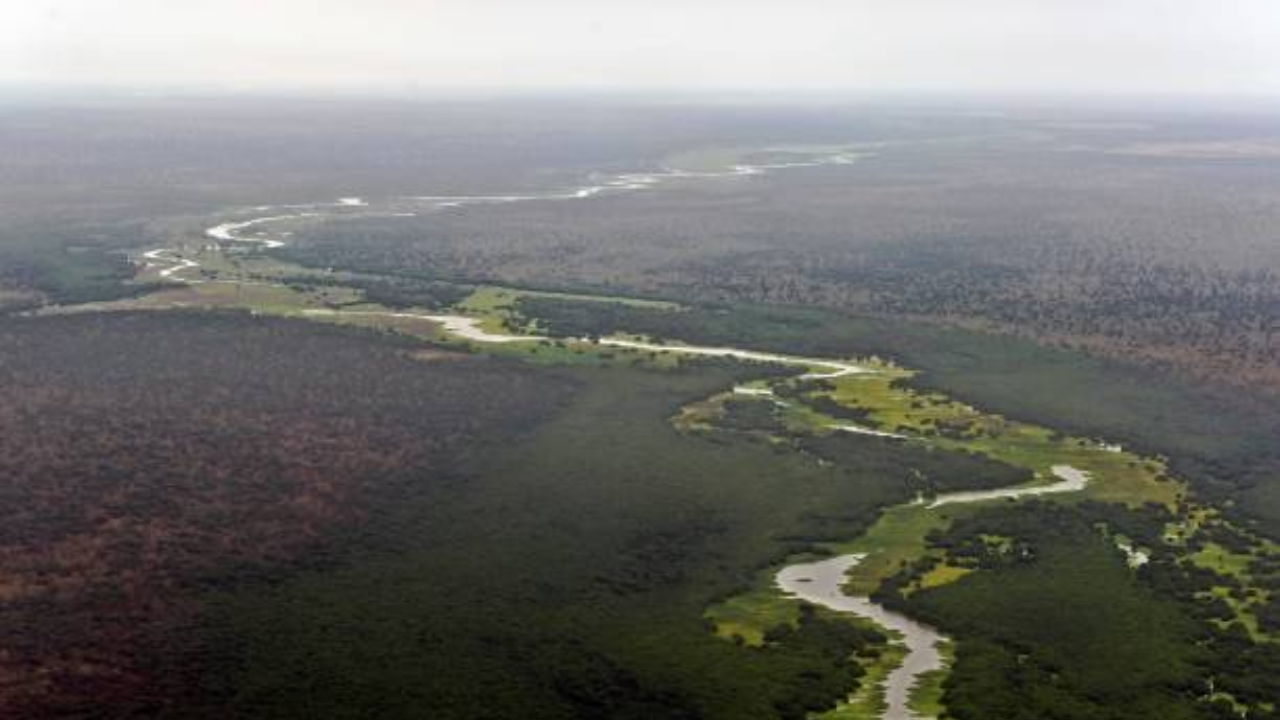
The Boma and Badingilo parks and surrounding areas are all part of a massive interconnected ecosystem
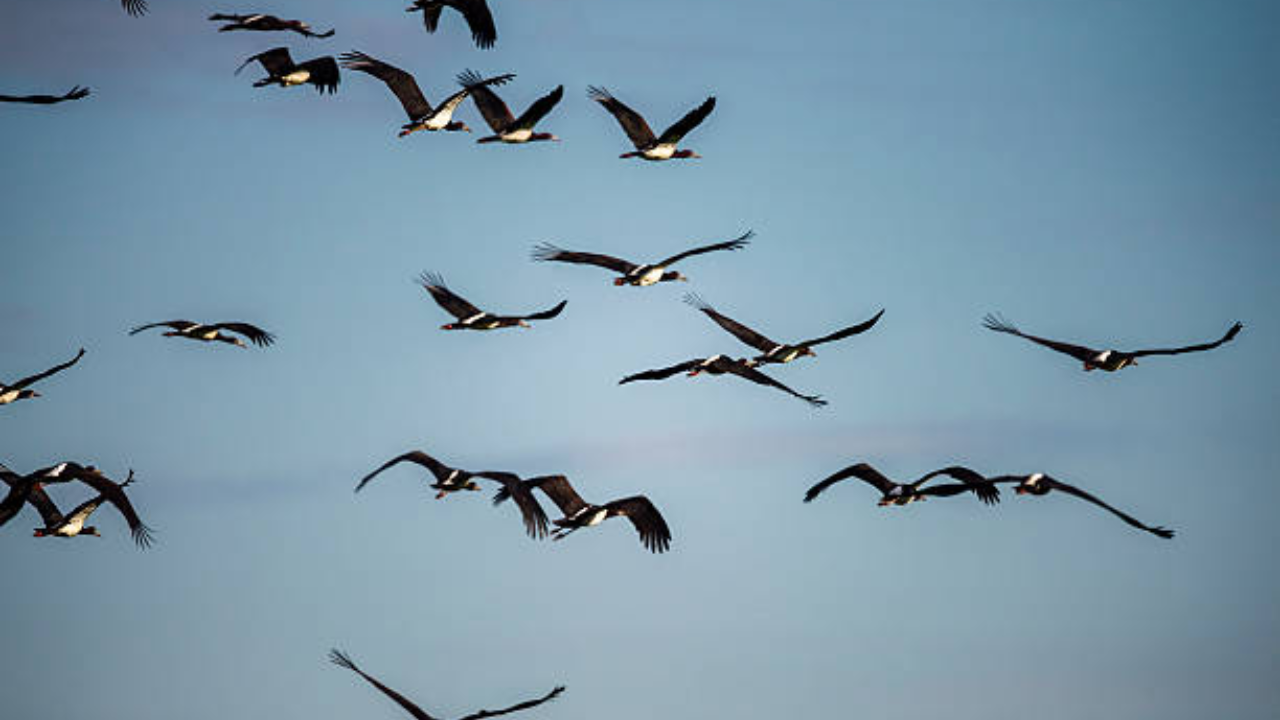
Every year in April, a remarkable avian spectacle transforms South Sudan. Vast flocks of storks congregate in the sky above the two national parks along with African openbills, Abdim’s storks and other birds moving across Africa in sync with the changing seasons.“There are so many storks that they kind of look like flies in the sky,” said Megan Claase, a conservation manager with African Parks, the organisation that manages the Boma and Badingilo national parks in partnership with the South Sudanese government.“I think it’s a very productive system after the first rains,” Claase told Mongabay, citing as an example the large blooms of winged alates that emerge from termite holes and are eaten by a wide variety of birds, including the storks. “It’s just such a haven for migratory species.”As the rains continue, much of the landscape becomes waterlogged and an abundance of invertebrate food is produced including snails and molluscs that are eaten by the openbills. The Boma and Badingilo parks and surrounding areas are all part of a massive interconnected ecosystem of wetlands, swamps, woodlands, and grassy plains, which Claase said lies at the heart of Africa’s largest intact savanna system. This landscape, around the size of North Korea, is home to an estimated 6 million antelopes, among them white-eared kob (Kobus kob leucotis) and Mongalla gazelle (Eudorcas albonotata).
A UNESCO World Heritage Site
In July, the area was added to the list of UNESCO World Heritage Sites.
In July, the area was added to the list of UNESCO World Heritage Sites. The listing will help to raise its profile and also encourage investment in conservation. This could also prove a boon for the protection of migratory birds, including those, like the openbills and Abdim’s storks, that arrive from elsewhere in Africa.According to a key 2006 study published in Taylor & Francis Online, Abdim’s storks that spend part of the year in Southern and East Africa use South Sudan as a “staging area” on their northward journey to breeding sites in the Sahel. It’s still unclear where exactly the openbills are coming from.Ornithologist Jonah Gula, based at the University of KwaZulu-Natal in South Africa, and his colleagues have documented up to 70,000 African openbill nests in western Zambia’s Barotse floodplain, on the Zambezi River, more than 2,000 kilometres (1,240 miles) southwest of Boma-Badingilo.“It is true that the number of openbills in South Sudan, especially the Sudd, fluctuates hugely between seasons,” Gula told Mongabay. “Surveys in 1979-1981 demonstrated this in the Sudd, but where they come and go is a mystery that really deserves more research.”The Sudd is a giant wetland to the northwest of Boma and Badingilo, recognised by the Ramsar Convention for its intact floodplains and swamps. These create suitable habitat for wildlife, including savanna elephants (Loxodonta africana), gazelles, and around 470 bird species.Among these are charismatic birds known as shoebills, a species with large hooked bills that is listed as vulnerable to extinction due to their rarity, as well as hunting, habitat loss and nest disturbances elsewhere across their range. In South Sudan, these birds also seem to find a safe haven. These large grey birds, which are related to pelicans, have been recorded in “healthy” numbers not only in the Sudd, but also in the Goum swamp, in the northern part of Boma, and in Gambella National Park, in neighbouring Ethiopia, according to Claase. “You can do a single flight [over Goum] and see up to 40 [shoebills],” she said.Other smaller and colourful migratory birds that also arrive in the region include woodland kingfishers. These birds spend their lives in the pursuit of summer. Like the Abdim’s storks, recent research shows that kingfishers follow the movements of the intertropical convergence zone (ITCZ), a weather phenomenon that shifts north and south of the equator at different times of the year. It brings in seasonal rains and abundant food, like insects, small snakes and frogs that are sought by these nonfishing kingfishers. Between 2016 and 2019, ecologist Dayo Osinubi and colleagues attached tiny tracking devices to the back of 20 woodland kingfishers in South Africa’s northern Limpopo province. The team later retrieved five of the trackers, whose data showed the kingfishers repeatedly travelled more than 4,000 km (2,500 mi) to South Sudan and back again to the same nesting sites in the same trees in South Africa.