

South Sudan plans interoperable birth registration, digital ID systems
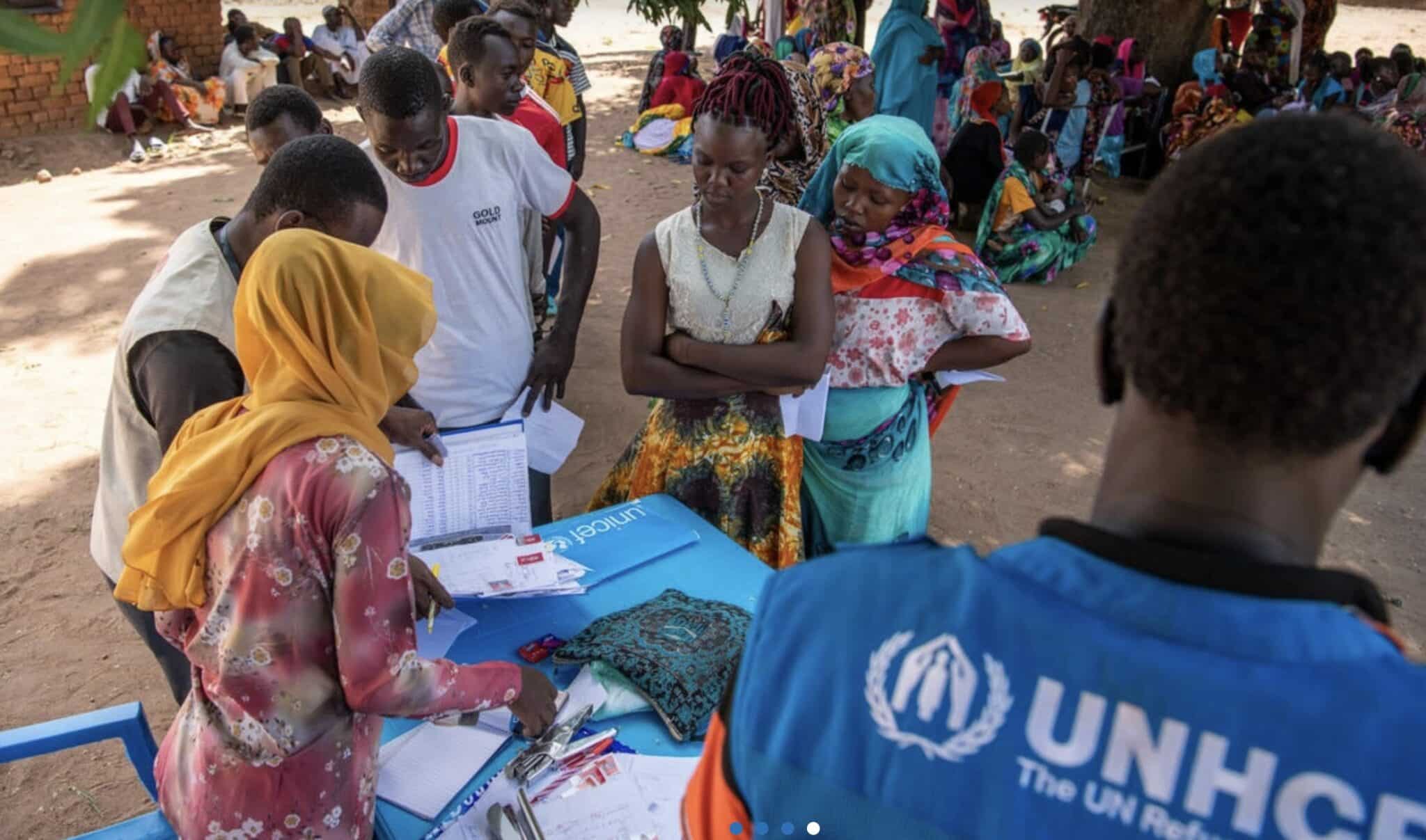
South Sudan authorities say they are working out plans to digitize the country’s civil registration and national ID systems and link up both to streamline legal identity issuance.
The civil registration-national ID digitization and linkage is part of a government reform to facilitate real-time birth registration, and advance the country’s digital transformation drive.
The plan is consistent with ongoing advocacy from UNICEF and other UN bodies for civil registration systems to be linked up with national ID systems as part of global efforts toward reaching the SDG 16.9 target. Cabo Verde is one country which undertook that reform and reached near-universal birth registration within a period of five years.
South Sudan local broadcaster Eye Radio reports that the envisaged reform aims to help the country streamline civil registration and make it possible for child birth to be declared to the civil registry from health facilities as soon as they happen.
According to the Director General of the Civil Registry, Nationality, Passport and Immigration, Maj. Gen. Elia Costa, the move is part of a bigger government plan to overhaul civil registration which is the foundational step in legal identity issuance.
Speaking to the radio after participating in a meeting of CRVS experts in Zimbabwe, Costa explained that the reform is intended to bring the war-torn country up to speed with international standards in matters of civil registration. He added that it will substantially enhance birth registration in the country which is currently estimated at about 10 percent.
“The world has now changed to the system of civil registry. As soon as the baby is born in the hospital or any health facility, they must notify us at the Directorate of Civil Registry so that we are the ones responsible for issuing a birth certificate,” Costa is quoted as saying.
The planned introduction of a unified digital civil registration and its integration with the national ID system will likely boost national ID coverage in the country. In a country diagnostic report on the country published in April, the World Bank’s Identification for Development (ID4D) initiative lamented that South Sudan has one of the lowest national ID rates in the world. It urged state authorities to accelerate steps including making adjustments to existing legislative texts in order to render the national ID system more inclusive.
A planned multisectoral approach involving the collaboration of three ministries viz Justice, Interior and Health, aligns with recommendations of the ID4D report.
Article Topics
Africa | birth registration | digital ID | legal identity | national ID | SDG 16.9 | South Sudan | UNICEF
Credit: Source link