

Some healthy news out of Trinidad and Tobago
In a context in which the news recently out of our sister island of Trinidad and Tobago has been largely negative, we are pleased to note that the twin-island republic has been named the first Caribbean country to advance a national road map for communicable disease elimination.
Of course, we are a tad jealous, because this is no small achievement. A national road map to accelerate the elimination of communicable diseases supports the country’s efforts to strengthen health systems, protect public health, and advance toward getting rid of more than 30 communicable diseases and related conditions.
We are told that the road map was developed with technical support from the Pan American Health Organisation (PAHO), and brings together government leaders, health professionals, technical experts, and development partners around a shared strategy to sustain past achievements.
At the same time, it helps to accelerate progress against diseases that continue to take a toll on the population, including HIV (Human Immunodeficiency Virus), viral hepatitis, tuberculosis, syphilis, leprosy, and cervical cancer, the regional PAHO says. Good job.
Out of a recent two-day, high-level workshop, stakeholders sought to identify priority diseases for elimination, define timelines for achieving additional elimination milestones, analyse barriers slowing progress, and agree on practical interventions to overcome these challenges.
These actions will focus on four strategic areas — integrated service delivery, stronger surveillance and health information systems, addressing the social and environmental determinants of health, and improving governance and sustainable financing.
Countries that follow the national road map model are providing their population with an opportunity to critically examine where they are, identify gaps, strengthen existing systems, and determine the actions required to accelerate progress.
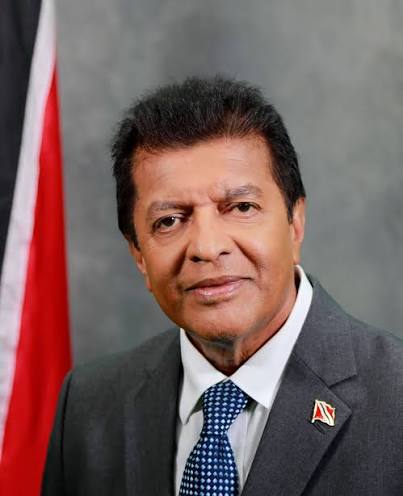
“This process will allow us to better understand our current capacities, address bottlenecks, and define strategic priorities that align with international best practices while responding to the unique needs of Trinidad and Tobago,” Dr Lackram Bodoe, the country’s minister of health, can’t help but boast.
PAHO says the road map is part of its Disease Elimination Initiative (DEI), which aims to eliminate more than 30 communicable diseases and related conditions in the Americas by 2030.
Rather than addressing diseases individually, the DEI promotes an integrated approach by improving health information and surveillance systems and laboratory capacity, addressing social and environmental determinants of health, and reinforcing governance and sustainable financing, the body says.
It is noteworthy that the country has maintained its malaria-free status since 1965 and has also sustained the elimination of poliomyelitis, measles, rubella, congenital rubella syndrome, neonatal tetanus, and lymphatic filariasis through strong immunisation programmes and robust surveillance systems.
Dr Rhonda Sealey-Thomas, the assistant director of PAHO, believes that Trinidad and Tobago is choosing to move forward with an integrated vision for the future, and he pledged to transport national pride into a commitment to lasting public health impact.
Best wishes for every success to our Trinidad health counterparts.