

Somalia turns to industrial revival in path to more economic independence
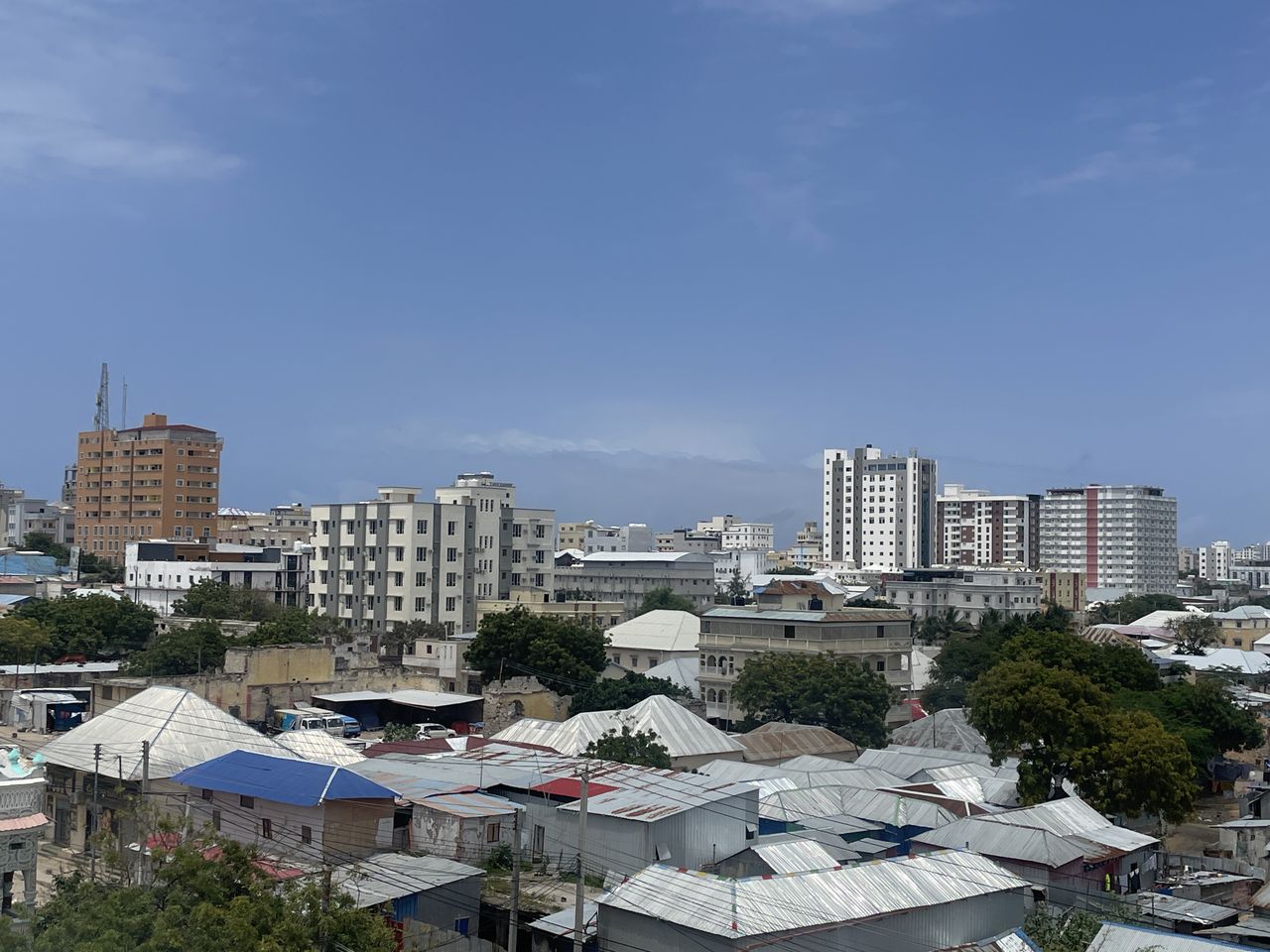
From the memory of roaring factory floors and smoke-filled skylines to the cautious optimism of a rebuilding economy, Somalia’s industrial story is stirring once again.
Yet this is not simply a return to a bygone era. It is a reinvention—shaped by resilience, private investment, technology and a growing determination to produce more of what the country consumes.
Across Somalia, a quiet transformation is underway. Small manufacturing plants, food processors, steel workshops, water bottling facilities and agricultural enterprises are gradually re-establishing a production base that was largely dismantled by decades of conflict.
For policymakers and investors alike, the emerging narrative is becoming increasingly clear: Somalia is no longer focused solely on recovery. It is attempting to rebuild the foundations of production itself.
“We have so far registered more than 200 factories across Somalia,” says Gamal Mohamed Hassan, Somalia’s Minister of Commerce and Industry.
“These include factories producing water, steel, edible oils, fish products, dairy products, agricultural goods and salt.”
Significant shift
The figure may appear modest by international standards, but in the Somali context it reflects a significant shift. It signals the gradual re-emergence of an industrial sector that once formed a visible pillar of the national economy.
Before the collapse of the Somali state in 1991, industry occupied a central place in economic life. Factories were not abstract economic indicators; they were landmarks of productivity and employment. Across Mogadishu, Jowhar, Kismayo, Hargeisa, Berbera, Baidoa and Burao, industrial zones hummed with activity.
RELATED
The sounds of machinery, conveyor belts and metal presses echoed through production halls, while chimneys rising above city skylines became symbols of economic momentum.
Sugar mills refined sweetener for households across the country. Dairy facilities processed locally sourced milk. Textile factories produced clothing. Leather plants supplied shoes and garments. Food-processing units transformed agricultural harvests into packaged consumer goods. Cement factories, fish-processing plants, soap manufacturers and beverage producers supplied a domestic market that relied heavily on local production.
‘Made in Somalia’
At the time, “Made in Somalia” was not an aspiration. It was a feature of daily life.
Bags of flour, bottles of juice, refined salt, household cleaning products and numerous consumer goods carried Somali labels. Families brewed tea with domestically refined sugar. Local factories bottled beverages and processed staple foods. Imports existed, but they complemented rather than dominated the market.
Transport networks reflected this industrial rhythm. Trucks moved continuously between cities, carrying goods from factories to wholesalers and retailers. Industrial production was embedded in everyday economic life.Then came the collapse.
Conflict dismantled factories, fractured supply chains, displaced skilled workers and devastated infrastructure. Manufacturing activity contracted sharply as Somalia became increasingly dependent on imports, informal commerce and service-based survival economies.
The industrial foundations that had once underpinned urban economic life faded into memory.
Today, however, that memory is increasingly serving as a blueprint for reconstruction.
Unlike the state-led industrial model of the past, Somalia’s modern revival is being driven by a combination of private entrepreneurship, diaspora investment, small and medium-sized enterprises, and policy reforms aimed at encouraging domestic production.
Industrial reawakening
According to Minister Hassan, Somali entrepreneurs are playing a critical role in the country’s industrial reawakening.
“The willingness of Somali entrepreneurs to take risks has been one of the major drivers of industrial revival,” he says.
Rather than recreating large state-owned manufacturing complexes, the focus is shifting toward flexible, market-responsive industries capable of adapting to modern economic realities. The results are becoming visible.
Across major urban centres, factories and processing facilities are producing bottled water, fruit juices, edible oils, construction materials, packaged foods, plastics and cleaning products. Locally manufactured goods are gradually reappearing on store shelves, replacing imported alternatives in selected categories.
Food processing has emerged as one of the most dynamic sectors. Milk sourced from pastoral communities is increasingly being processed into packaged dairy products for urban consumers. Fruits are being converted into juices and preserved beverages. Grain milling operations are supplying bakeries and households with flour. Even salt—once heavily imported—is increasingly being refined and packaged domestically.
The salt on a family’s dinner table, the juice served at home or the flour used to bake bread increasingly carries the imprint of Somali industry. These products represent more than consumption; they represent the rebuilding of economic sovereignty at the household level.
For policymakers, agriculture remains one of the most important frontiers for industrial development. Somalia possesses extensive agricultural resources, yet many basic food products continue to be imported despite domestic production potential.
“We have sufficient agricultural produce in Somalia,” says Mohamed Abdi Hayir Maareeye, Somalia’s Minister of Agriculture.
“I call upon Somali investors to put more resources into this sector because it is not logical for us to import basic agricultural products that can be produced within our own country.”
The strategy is straightforward: strengthen the link between agriculture and industry.
By processing agricultural output domestically rather than exporting raw products or relying on imports, Somalia can create jobs, add value and reduce foreign dependency.
Livestock, already one of the country’s most important economic sectors, is central to this vision. While live animal exports remain a major source of foreign exchange earnings, policymakers increasingly see opportunities in expanding domestic meat processing, dairy production and leather manufacturing.
Similarly, Somalia’s vast coastline offers substantial opportunities for fisheries processing, while growing urbanisation is driving demand for locally produced construction materials such as cement and steel.
Digital transformation is also reshaping Somalia’s industrial landscape. The rapid adoption of mobile money, e-commerce platforms and digital logistics services is helping manufacturers reach consumers more efficiently than ever before.
Credit: Source link