

Shafaq News..US pressure puts Iraq’s Iranian energy ties at risk
2026-08-21T12:47:58+00:00
Shafaq News- Washington
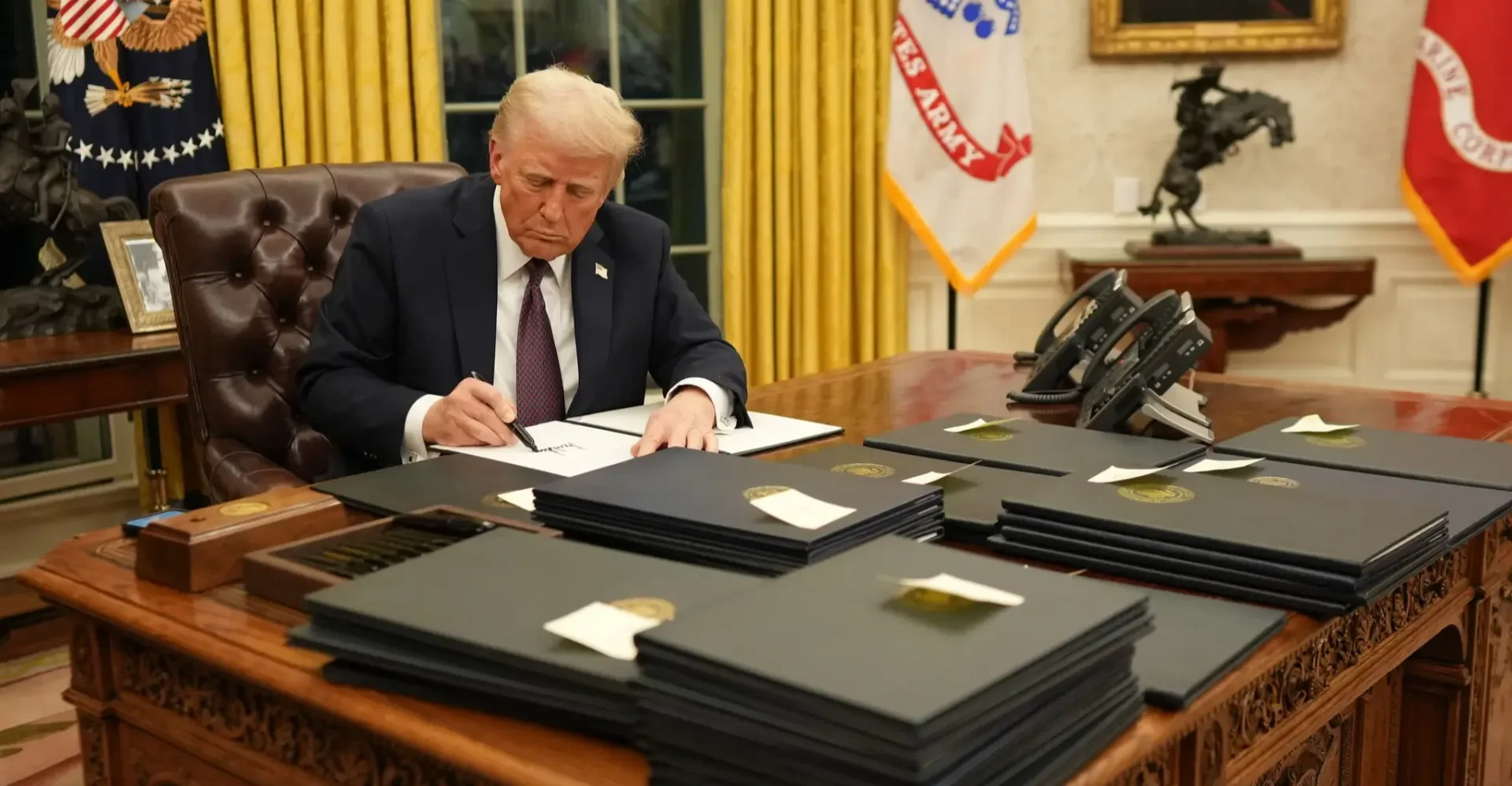
US President Donald Trump’s renewed threat to
punish countries trading with Iran is increasing pressure on Iraq to reduce its
dependence on Iranian energy while protecting a commercial relationship worth
billions of dollars.
Trump has pledged an “unprecedented” economic
campaign against Tehran, describing it as the most severe financial pressure
ever imposed on a country. The latest push forms part of Washington’s broader
effort to restrict Iran’s access to foreign currency and curb its energy trade.
For Iraq, the pressure reaches directly into the
electricity sector. Baghdad has relied for years on Iranian gas to fuel power
stations, while previous US sanctions waivers allowed it to purchase Iranian
electricity and manage related payments through restricted accounts. Washington
has repeatedly pressed Iraq to reduce that dependence and develop domestic
energy alternatives.
Imported Iranian gas has at times supported roughly
one-third to 40% of Iraq’s electricity generation, leaving the grid vulnerable
whenever supplies fall. Recent disruptions have repeatedly cost Iraq thousands
of megawatts of generation capacity.
Iraq has been trying to reduce that exposure
through domestic gas development, electricity interconnections and alternative
fuel supplies. The challenge remains substantial: Reuters cited that Iraq
purchases about $4 billion to $5 billion worth of Iranian gas annually.
Read more: The end of a waiver: Iraq’s struggle forenergy independence
Tehran’s Wider Trade Network
The pressure on Baghdad comes as Washington targets
Iran’s broader network of trading partners.
China remains Iran’s most important oil customer.
Reuters reported that China imported about 1.38 million barrels per day of
Iranian crude in 2025, with trade structured in ways designed to limit exposure
to US sanctions.
Turkiye also maintains significant commercial ties
with Tehran, with bilateral trade running at roughly $5 billion to $6 billion
annually, much of it linked to energy. The United Arab Emirates has
historically served as another important commercial hub, although recent
regional tensions have disrupted those ties.
India’s trade relationship with Iran has contracted
sharply under sanctions. However, Indian refiners briefly resumed Iranian crude
purchases in April 2026 during a period of temporary sanctions relief, with
preliminary Kpler data cited by AFP putting imports at about 276,000 barrels
per day by mid-April. Reuters had earlier reported that this marked India’s
first Iranian oil cargo in roughly seven years.
Russia, meanwhile, has expanded economic ties with
Tehran as both countries seek alternative trade and financial channels under
Western sanctions.
Read more: Energy crisis now political: US halts key Iraqi gas deal