

Shafaq News..State jobs cannot solve Iraq’s unemployment
2026-08-21T11:42:42+00:00
Shafaq News- Baghdad
Iraq cannot tackle unemployment through government
hiring alone or by directing graduates to the private sector without first
reforming the business environment, economic and parliamentary experts told
Shafaq News, as high youth unemployment and a steady influx of university
graduates intensify pressure for jobs.
Prime Minister’s financial and economic
adviser Mudher Mohammed Saleh linked the problem to an economic model under
which the state has remained the country’s largest employer for decades, even
as labor-market entrants increasingly exceed the public sector’s capacity to
absorb them.
For thousands of graduates seeking
government jobs, the response should not be limited to “hiring everyone” or “rejecting
everyone,” Saleh said. His proposed alternative combines paid training tied to
employment, temporary state-funded wage support, low-interest loans for small
businesses, and priority for skills the economy needs.
Such measures would allow the government to
bear part of the cost of graduates’ transition into employment without creating
permanent public-sector salaries. “State recruitment, however, may temporarily
ease unemployment, but cannot resolve it.”
Saleh described the broader goal as “less
state involvement in employment and a stronger role in regulation and
investment,” supported by a larger, more productive private sector and an
economy less dependent on oil, with jobs created through growth and
productivity rather than administrative decisions.
Parliamentary Finance Committee member
Jamal Kocher stressed that reducing reliance on state employment does not mean
eliminating government recruitment, as laws require certain categories and
specialties needed by public institutions to be hired.
Read more:Iraq: 250K graduates annually amid 20% youth unemployment
Doctors and the top three graduates from
each graduating class are among those Kocher believes the country should
retain, particularly amid technological developments and healthcare challenges.
In his view, the government should absorb those it can while facilitating
opportunities for others outside the public sector.
“There is no government in the world that
can employ every graduate,” Kocher said, arguing that success should instead be
measured by the availability of jobs across both sectors.
He listed uncontrolled weapons, political
interference in economic activity, regional instability, inadequate investment
budgets, and heavy government borrowing from banks among the obstacles
restricting private investment and job creation. Weak loan repayment,
inadequate oversight, and poor implementation of regulatory findings have
compounded those problems, leaving the private sector in what he described as a
state of “clinical death.”
Economic expert Safwan Qusai proposed
linking business regulations and investment incentives more directly to local
employment, with companies and other enterprises required to hire degree-holders
whose specialties correspond to their work.
His proposal covers businesses such as
restaurants, banks, pharmacies, hospitals, and maintenance workshops. Company
license and professional permit renewals could depend on compliance, while tax
exemptions or other incentives could reward businesses that formally recruit
qualified workers.
A similar requirement could apply to
government investment projects, with investors obliged to employ Iraqi
graduates so projects contribute to the labor market alongside capital and
revenue.
Read more: Classroom to street corner: Degree holders stranded in Iraq’s job drought
Iraq’s Planning Ministry put the
unemployment rate at around 13% in 2025. Youth unemployment is considerably
higher, at 35.8%, according to the Strategic Center for Human Rights, citing UN
and International Labour Organization data. Meanwhile, nearly 250,000 graduates
enter the labor market each year from public universities and institutes alone,
according to Planning Ministry estimates.
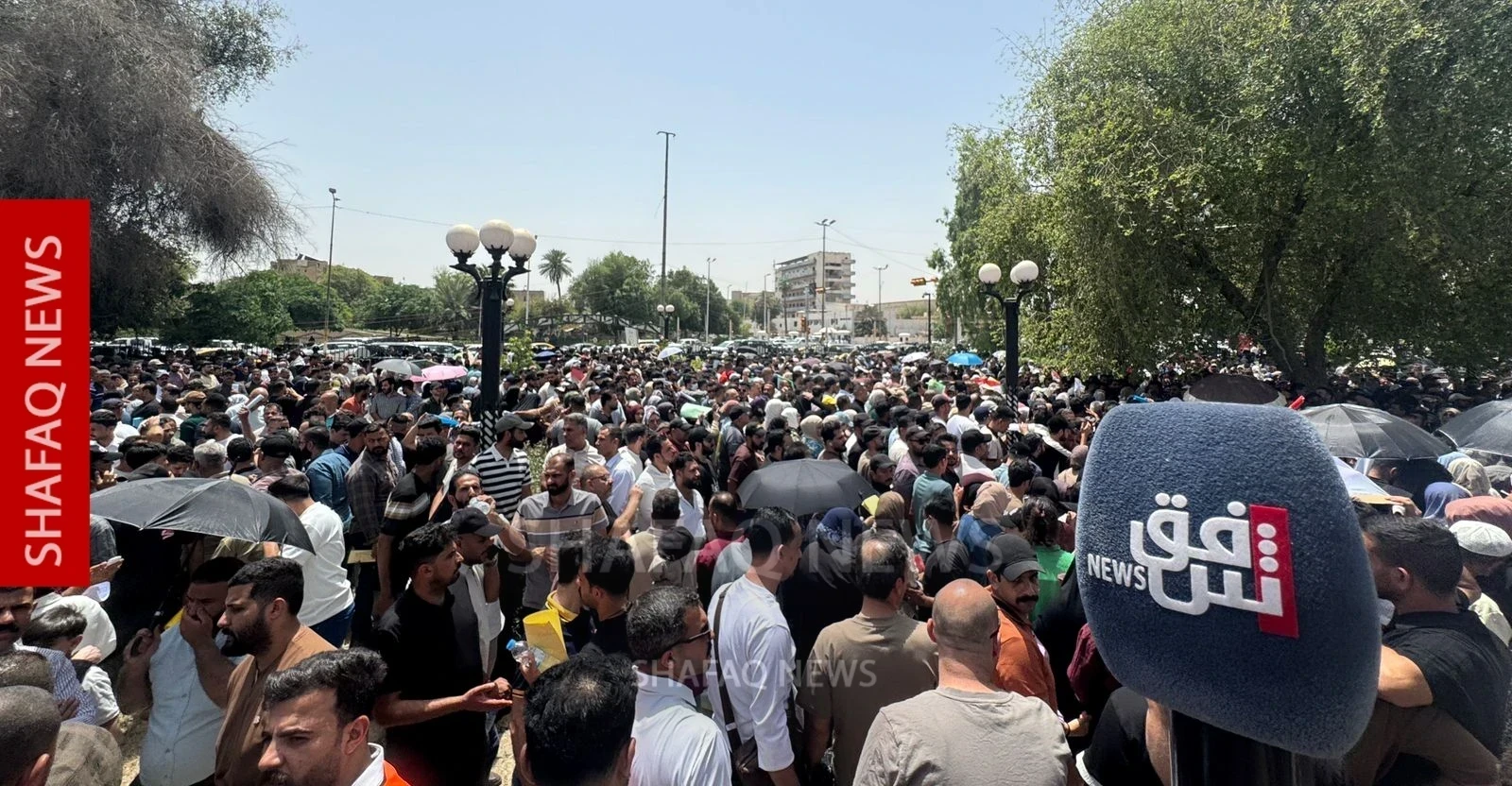
Against this backdrop, hundreds of
graduates have repeatedly demonstrated in Baghdad and several provinces,
demanding appointments to state institutions and jobs matching their academic
qualifications.
Read more: Youth in despair, no jobs to share: Iraq’s workforce hanging in the air