

Shafaq News..Poaching drives wildlife decline in Iraq’s Balad
2026-09-01T13:49:04+00:00
Shafaq News- Saladin
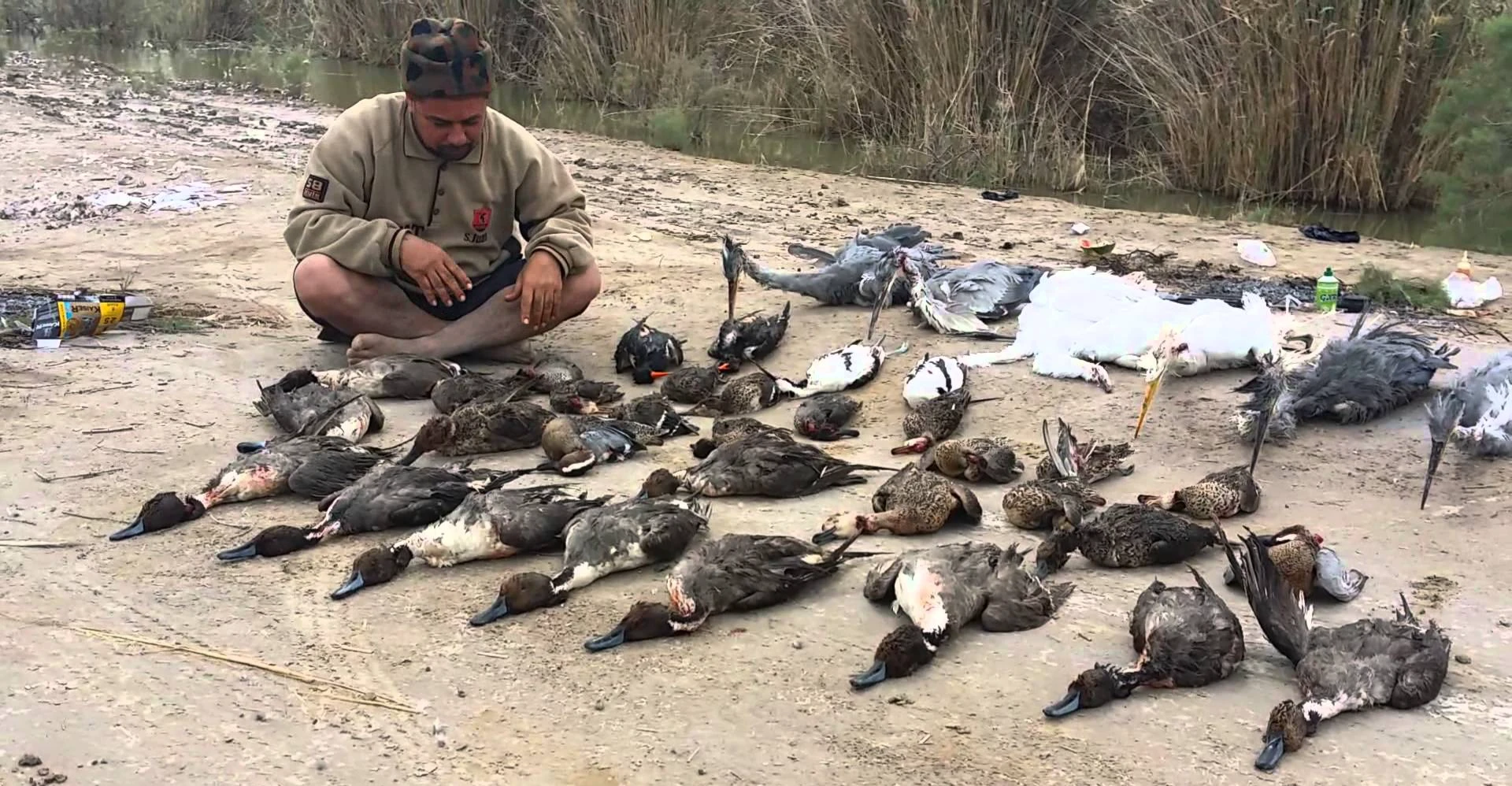
Wild bird and animal
populations, including the native Iraqi bulbul, have declined in Balad
district, Saladin province, in recent years as poaching and habitat loss
increasingly threaten local biodiversity, Qaimaqam (district head) Haider
Al-Baldawi said on Tuesday.
Al-Baldawi told Shafaq News
that expanding human activity has reduced areas available for wildlife, while
illegal hunting continues to put pressure on fauna across the district. Among
the affected birds is the Iraqi bulbul, which is captured for sale in Iraq and
abroad.
Authorities, he noted, are
seeking to curb poaching through tighter monitoring, particularly during
breeding seasons, and legal action against violators. Al-Baldawi identified
Harba, Al-Hudaira, Uzair Balad, Al-Farhatiyah, Sayyid Gharib, and Al-Mahatta as
key wildlife areas that also provide feeding and resting grounds for migratory
birds, calling for stronger safeguards to preserve the district’s ecosystems.
Iraq lies along a major
migratory flyway connecting Asia, Europe, and Africa, with at least 19 globally
threatened bird species recorded in the country. In July 2026, Iraq’s Strategic
Center for Human Rights, citing International Union for Conservation of Nature
(IUCN) data, reported that 134 species were at risk of extinction, driven
largely by environmental degradation, water scarcity, illegal hunting, and
other human pressures.
The Green Iraq Environmental
Observatory documented nearly 1,000 migratory birds killed in Iraq’s southern
marshes in December 2025 alone, while conservation groups have warned that
persistent hunting could drive some populations away from their traditional
migration routes.
Read
more: Silent extinction: Iraq’s wildlife fades as water runs out
Comments are closed.