

Senegal facing its debt: what strategy to preserve its sovereignty?
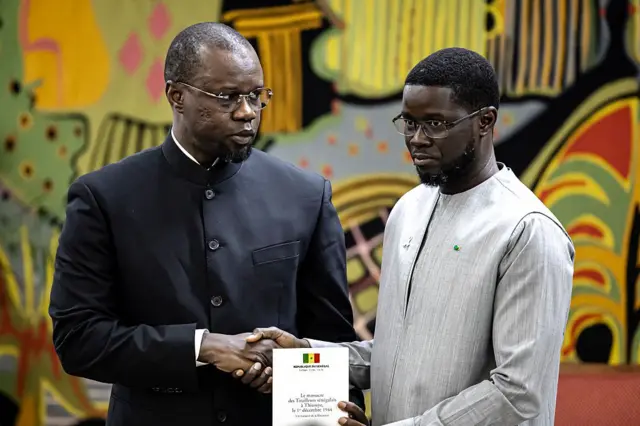
Speculations are multiplying around the future financial partner that the Senegalese government will choose to accompany it in managing its debt. According to Africa Intelligence and Financial Afrik, Lazard appears to be the favorite in a process that pits several major investment banks and specialized firms against each other.
Beyond the competing names, a more fundamental question deserves to be asked: what is Senegal really looking for? The choice of financial advisor will not only be that of a bank. It will reveal the strategy that Dakar intends to prioritize.
If the goal is to prepare a classic debt restructuring, the choice of a player historically associated with major sovereign restructurings would be consistent. Since 2020, the main operations carried out within the G20’s Common Framework have followed this logic.
However, recent experience also shows the limits of this approach. In Ghana, negotiations lasted nearly two and a half years. In Zambia and Ethiopia, they have been ongoing for over four years. While the Common Framework serves as a useful reference framework, it is faced with several difficulties: the special status of certain creditors like China, debates on the comparability of treatment between creditors, and the lack of real consideration of domestic debt, which nevertheless represents a significant portion of Senegal’s debt.
Above all, such a direction would mark a significant shift from the discourse held so far by the Senegalese authorities, who have always distinguished between liquidity tension and insolvency and ruled out the idea of a “hard” restructuring.
But the real debate lies elsewhere.
The issue is not which bank will win the mandate. It is whether Senegal wants to align its recovery with a classic restructuring logic or open a more innovative path.
Economic sovereignty is not only measured by a country’s level of indebtedness. It is also measured by its ability to retain control of its schedule, budgetary priorities, and economic choices. Long restructurings often lead to several years of ongoing negotiations and a reduction in states’ room for maneuver.
Between the status quo and a classic restructuring, a third way is undoubtedly worth exploring: active liability management, targeted maturity reprofiling, increased mobilization of regional development banks, partial guarantees, concessional financing, or financial innovations tailored to African realities.
Africa is not meant to systematically apply models designed elsewhere. It can also invent its own solutions.
Therefore, the choice of Senegal’s future financial advisor will not only indicate who will accompany Dakar in the coming months. It will mainly indicate what vision of financial sovereignty the country wishes to defend.
Credit: Source link