

Security ramps up ahead of Atlanta World Cup semifinal; road closures
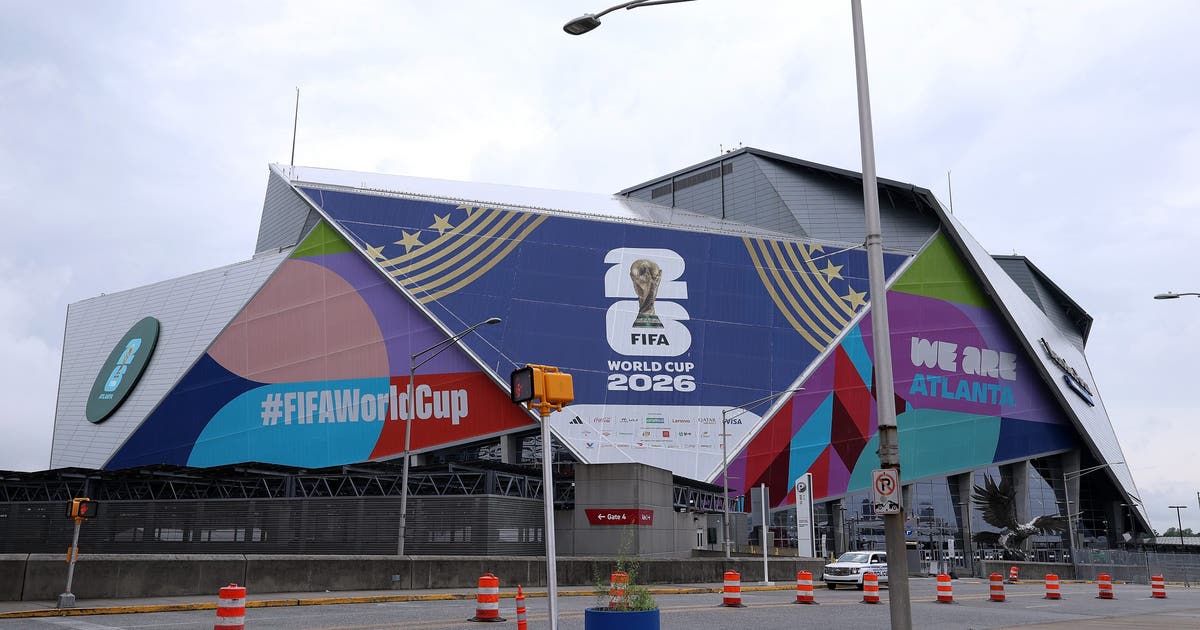
FILE PHOTO. A general view of the preparations around Mercedes-Benz Stadium as the signage is transitioned to become Atlanta Stadium ahead of the FIFA World Cup 2026 on May 25, 2026 in Atlanta, Georgia. (Photo by Kevin C. Cox/Getty Images)
ATLANTA – With one FIFA World Cup match left to play in Atlanta, federal and local authorities say they are increasing security measures ahead of Wednesday’s semifinal showdown between Argentina and England.
RELATED STORIES
What we know:
The Atlanta Police Department said additional officers and resources have already been deployed throughout the city and will continue to be strategically assigned around Atlanta Stadium, entertainment districts and other high-traffic areas as tens of thousands of fans arrive for the match.
“These proactive measures are designed to protect the public, deter criminal activity, and ensure residents and visitors can safely enjoy this historic event,” the department said in a statement.
The FBI said it remains focused on identifying and stopping potential threats as the tournament enters its final days in Atlanta.
“The FBI works closely with our federal, state, and local partners to identify and stop any potential threats to public safety,” the agency said. “We remain committed to ensuring that those who attend and participate in this tournament can do so safely.”
FBI Atlanta added that agents and partner agencies are working both publicly and behind the scenes to help keep fans safe, whether they are attending the game, visiting fan festivals or exploring the city.
Officials are also urging residents and visitors to remain vigilant and report suspicious activity to law enforcement. Tips can be submitted to the FBI by calling 1-800-CALL-FBI or online at tips.fbi.gov.
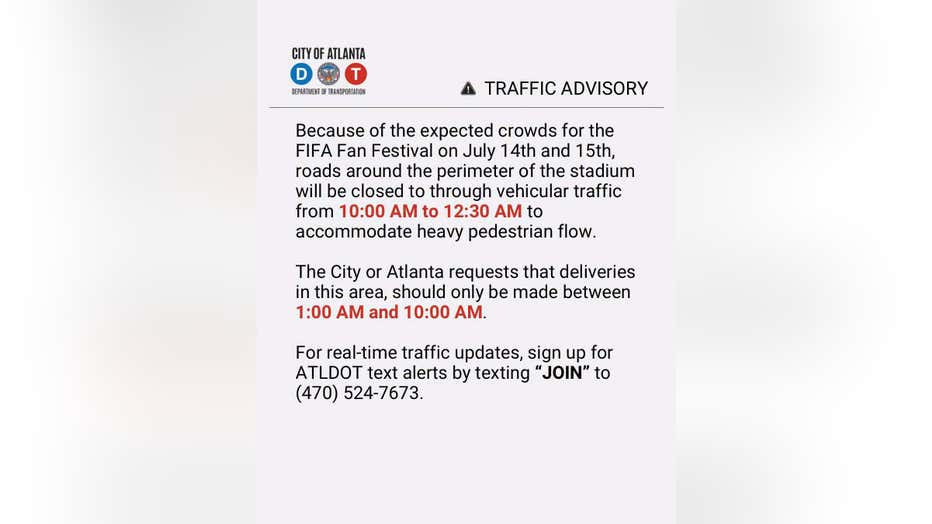
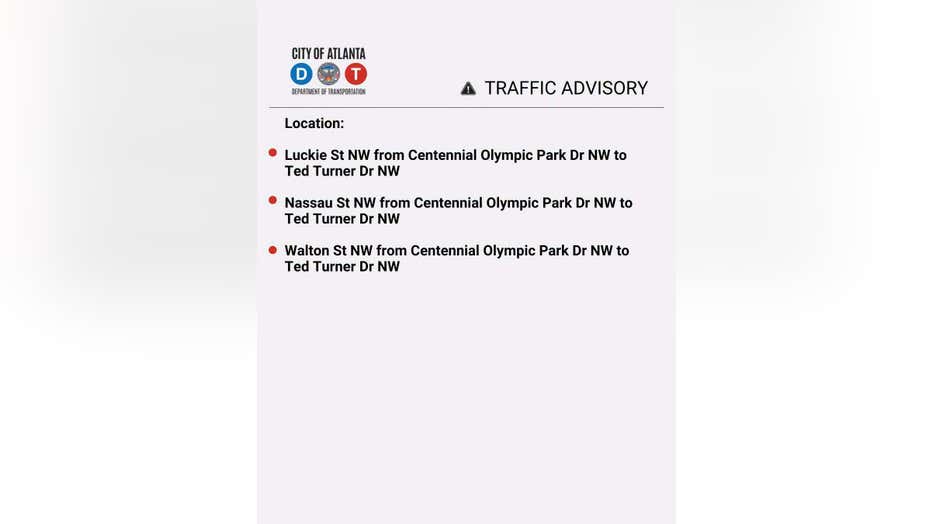
Drivers should also prepare for extended road closures around the stadium.
According to the Atlanta Department of Transportation, roads surrounding the stadium perimeter will be closed to vehicle traffic from 10 a.m. until 12:30 a.m. on both Tuesday and Wednesday to accommodate heavy pedestrian traffic.

Crédito: Link de origem