

Scott Seaman Discusses How the Insurance Industry Contributed to the 2026 FIFA World Cup
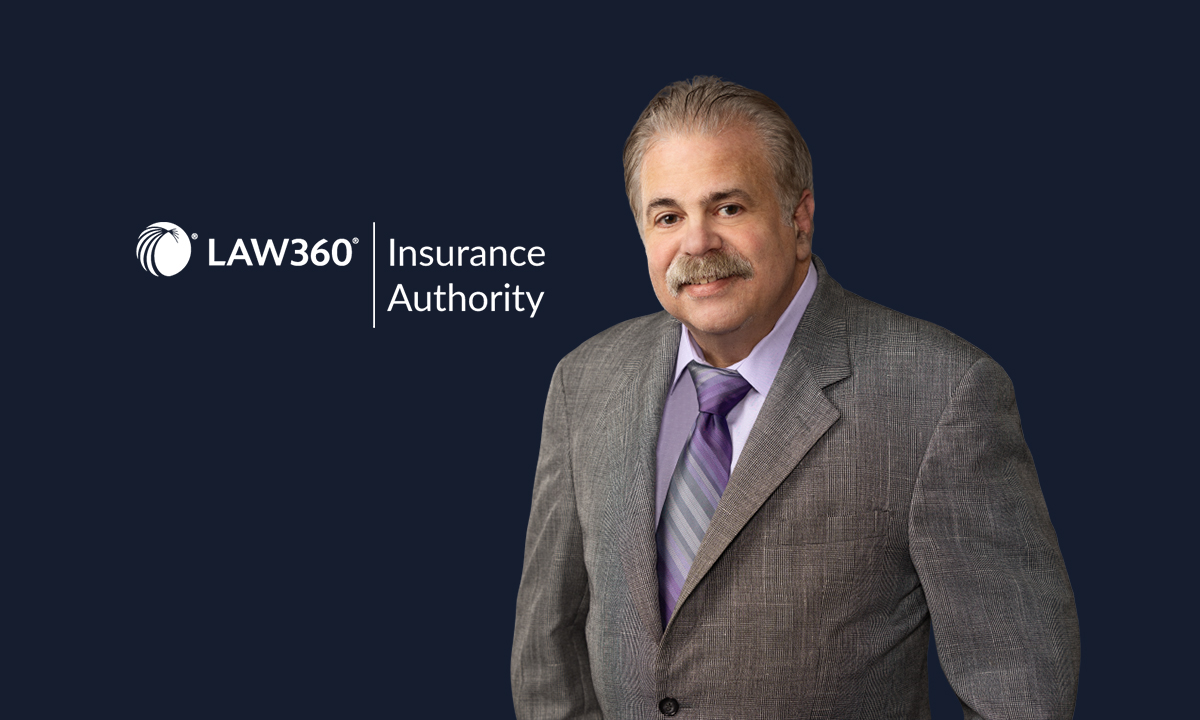
The 2026 FIFA World Cup not only showcased a competitive tournament but also represented a major win for the insurance sector. In a new Law360 Insurance Authority analysis, Scott Seaman, a Chicago-based partner and Co-Chair of Hinshaw’s global Insurance Services group, discusses the contributions of insurers to making the event largely loss-free.
Successful Planning for Event Coverage
According to Scott, the tournament’s smooth operation was no coincidence. He attributes this success to the “three P’s”—planning, prevention, and preparation—which helped the insurance industry handle a large-scale event featuring 48 teams across three countries and 104 matches, with minimal insurance claims. “It may be better to be lucky than good, but it is best to be lucky and good.”
Looking Ahead to Future Global Events
Scott also looks ahead with optimism. Future global events such as the 2028 Summer Olympics and the 2030 World Cup will pose complex challenges in managing liability across a wide range of vendors, venues, hotels, restaurants, and transport providers.
“Greater difficulties are presented with coordination involving different factions because the vendors, event venues, businesses, … transportation, hotels, and restaurants must make sure that they have adequate individual protection,” he cautions. “Coordination among unrelated entities and industries can prove to be very difficult.”
Parametric Insurance Innovation
Additionally, Scott highlights how parametric insurance serves as an innovative tool for insuring large international events, such as the World Cup. “Unlike traditional cancellation insurance, which pays out based on verified losses, parametric policies provide automatic payouts when specific conditions are met, such as exceeding a predefined rainfall threshold.”
Crédito: Link de origem