

SA’s Ebola risk low despite spiralling outbreak in DRC, Uganda
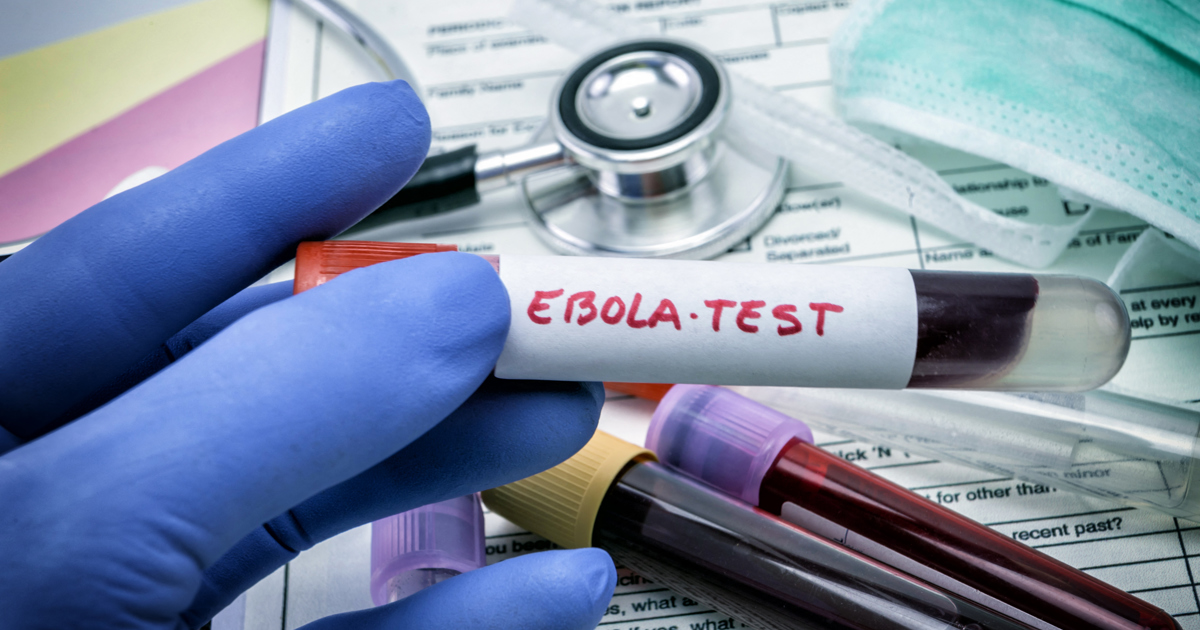
The Ebola outbreak in the Democratic Republic of the Congo (DRC) and Uganda remains a global concern, with fears that it could spread to other parts of the world.
The World Health Organisation declared the outbreak a public health emergency of international concern, the highest level of alert.
RELATED: WHO declares international emergency as Ebola outbreak kills more than 80 in DR Congo
National Institute for Communicable Diseases medical officer Vuyiswa Kumalo explained that Ebola causes a highly contagious haemorrhagic fever.
Symptoms initially present as fever, muscle aches, pain, and fatigue before progressing to more severe symptoms such as vomiting, diarrhoea, and, in some cases, bleeding.
Ebola was first identified in 1976, while the first major outbreak occurred in Uganda in 2007, followed by another in the DRC in 2012.
There are three main strains: Zaire, Sudan, and Bundibugyo.
Vaccines are available only for the Zaire strain, which is the most common and has the highest fatality rate.
The Bundibugyo strain is currently causing outbreaks in Central Africa.
RELATED:
Ebola vaccine could still be months away as experts trace latest outbreak to funeral
“If anyone is at risk, there are appropriate infection prevention measures that can be put in place. And if they are infected, there are supportive treatment plans that are available to manage the cases.”
Kumalo explained that containing the outbreak will require appropriate measures, including educating local communities on how the disease spreads.
“We need to be culturally sensitive when speaking to the affected communities and families while being safe to stop the spread of infection.”
Kumalo emphasised that while there is always a risk of importing cases from travellers, the current risk to South Africa is low.
She explained that no cases were imported into South Africa during previous outbreaks, and if a case were imported, a widespread outbreak is unlikely.
“This virus doesn’t spread through the air or casual contact. You need close contact with someone who is sick with their bodily fluids.
“It is a very different transmission dynamic to Covid-19.”
Credit: Source link