

Russia Faces Spread of Tuberculosis Strain Resistant to Key Antibiotics — UNITED24 Media
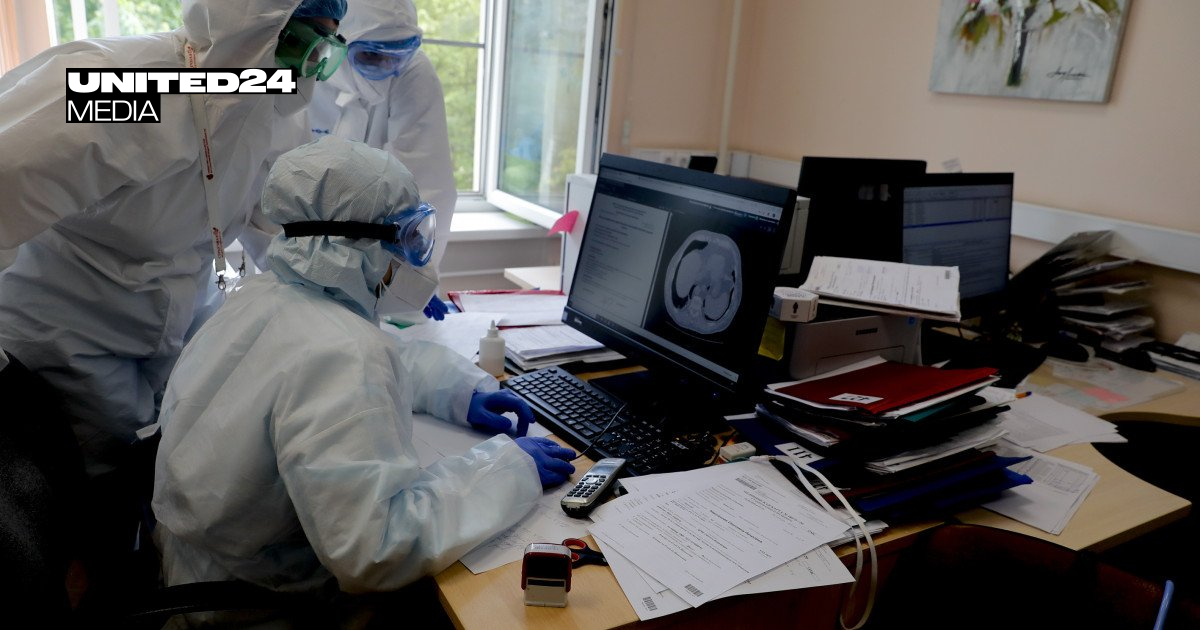
A drug-resistant strain of tuberculosis known as EurA1.1 has been detected in several regions of Russia, with researchers finding resistance to multiple antibiotics used to treat the disease.
We bring you stories from the ground. Your support keeps our team in the field.
According to Izvestia on September 9, citing a study by Irish researchers, scientists analyzed the genomes of 1,362 tuberculosis samples from international databases, including 62 originating in Russia. The study found that EurA1.1 is resistant to key first- and second-line antibiotics, as well as newer drugs including bedaquiline and linezolid.
The strain has been identified in Russia’s Pskov and Novgorod regions and the Republic of Karelia. EurA1.1 was first described in 2006 during research involving medical samples from Belarus.
Anna Panova, a specialist at Russia’s National Medical Research Center for Phthisiopulmonology and Infectious Diseases, said the strain is not currently dominant in Russia.
Albert Rizvanov, head of the Center of Excellence for Personalized Medicine at Kazan Federal University, said it is currently impossible to predict how widely the strain could spread across Russia.
Researchers have not identified symptoms specific to EurA1.1. According to Izvestia, determining whether a tuberculosis infection is resistant to available drugs requires laboratory testing, as drug sensitivity cannot be established from symptoms alone.
Tuberculosis most commonly affects the lungs but can also spread to other organs and systems. It is primarily transmitted through the air.
Russia recorded approximately 48,000 tuberculosis cases in 2025, including about 40,000 first-time diagnoses. The incidence rate stood at 23.9 cases per 100,000 people.
Drug-resistant tuberculosis remains a major part of the country’s disease burden. Around 60,000 patients with drug-resistant tuberculosis were registered in Russia in 2025. Of roughly 25,000 bacteriologically confirmed cases, about 14,000—or 55%—involved multidrug-resistant or extensively drug-resistant forms of the disease.
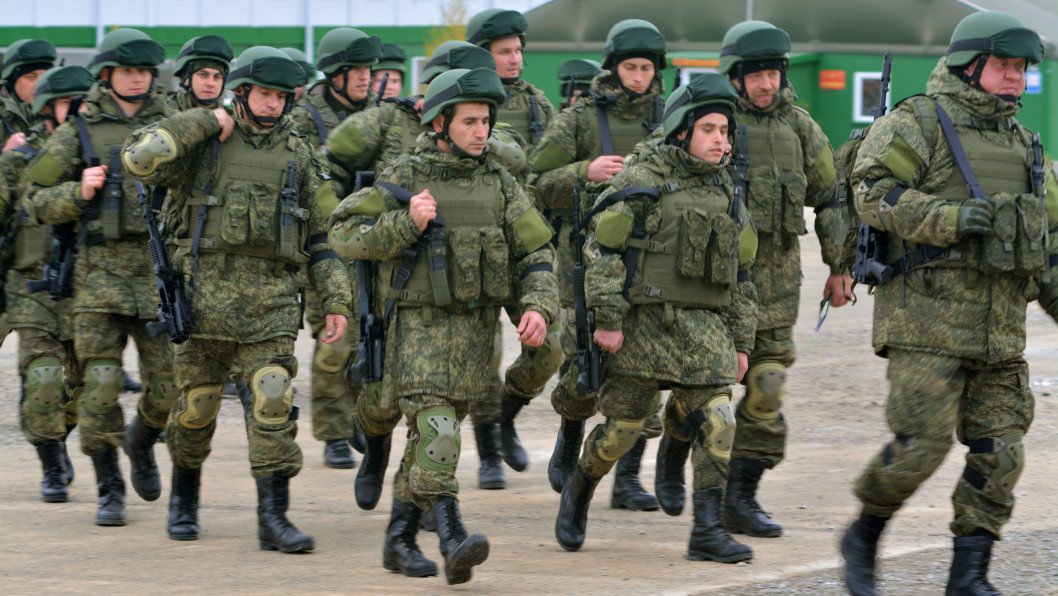
Russia’s healthcare system has also faced growing pressure from the war in Ukraine. An influx of wounded Russian soldiers has overwhelmed military hospitals, prompting authorities to repurpose civilian medical facilities and place servicemen in ordinary hospitals across several regions.
-9a7b3a98ed5c506e0b77a6663f5727c5.png)
